


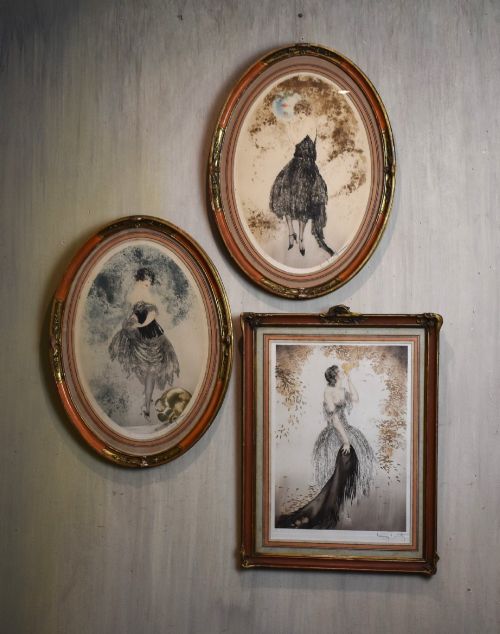


Framed Art Deco Picture
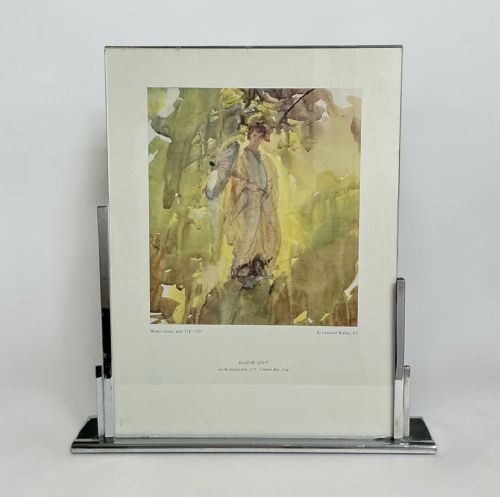
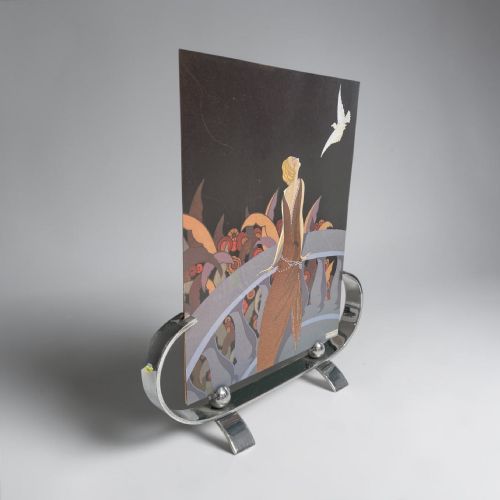
These framed art deco picture pieces bring distinct geometric lines and period elegance directly to a wall or desk.
Framed Art Deco Picture
A framed art deco picture selection brings together decorative wall art and specialised display frames from the early twentieth century. These items capture the aesthetic developments spanning the nineteen tens, nineteen twenties, and nineteen thirties.
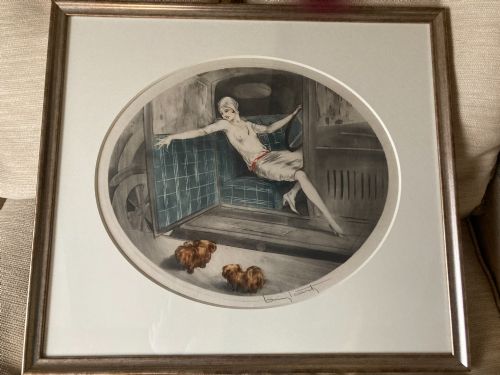
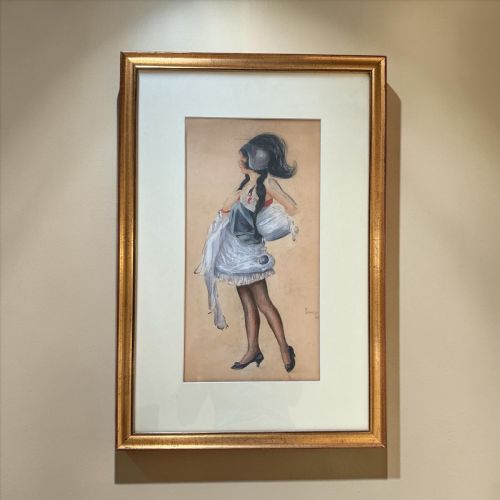
Buyers regularly encounter picture frames alongside original watercolours, pastels, etchings, and vintage photography. The assortment leans heavily toward works produced during the nineteen twenties and nineteen thirties alongside period framing.
Origins stretch across England, France, and Germany, encompassing both domestic portraiture and modernist landscapes. Metal photograph housings and signed graphic works form the core of what is available.
How they were made
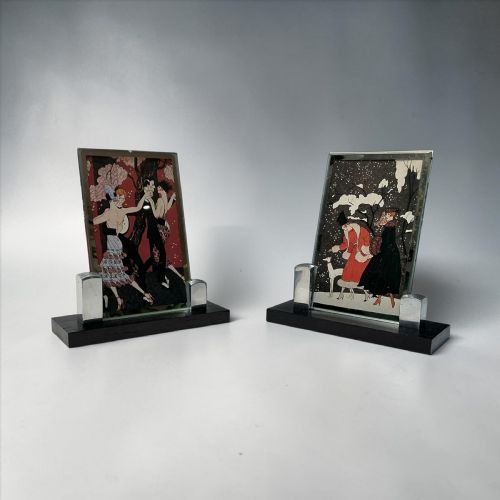
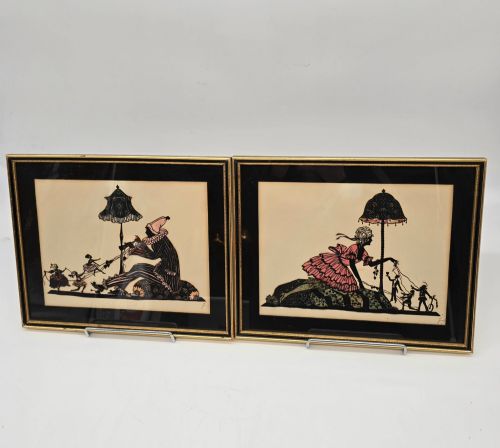
Makers utilised sterling silver and chrome alongside traditional wood for structural framing and casing. Glass protects delicate paper works, watercolours, and cut paper silhouettes.
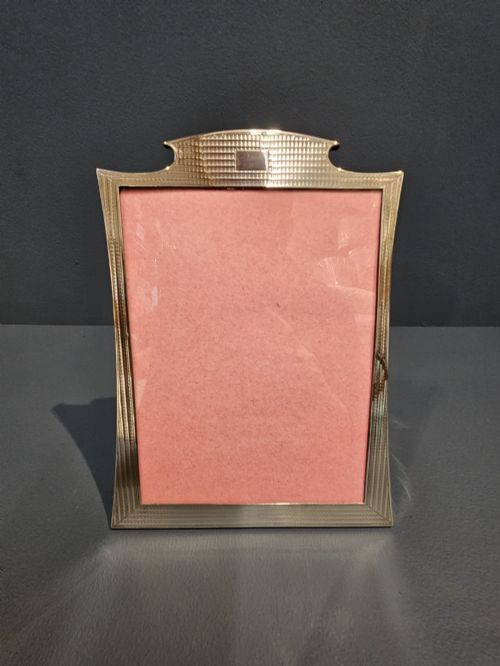
Techniques range from engine-turned sterling silver decoration to etching, aquatint, and pastel application on paper or board. Marquetry panels display precise woodwork inlay depicting natural subjects.
Framed Art Deco Picture Retail Price Guide 2026
Typical asking prices for framed art deco picture among the pieces listed under this phrase on Sellingantiques today, from the lower quarter to the upper quarter. They describe what is for sale here now, not the wider market.
Materials recorded across current items include sterling silver, chrome, glass, wood, and watercolour paint.
What varies in quality
The standard of execution in the artwork itself distinguishes the tier of a piece, separating hand-drawn pastels and signed etchings from standard printed reproductions. Artist attribution and period documentation elevate individual items significantly.
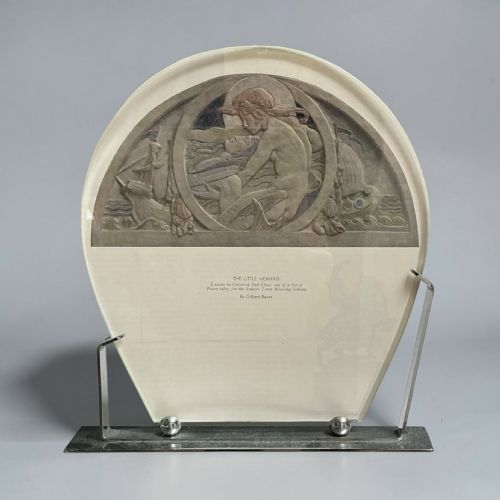
Material choice and finishing details define the grade of frames, where engine-turned silver ornamentation and substantial chrome and glass construction indicate superior workshop production compared to simpler metal housings.
Louis Icart·Samuel Timmins·Julian Mandel·Deakin & Francis·Andrè Maurice
The Framed Art Deco Picture Glossary
- Aquatint
- A printmaking technique that produces tonal areas resembling watercolours through acid etching on a copper plate. It allows artists to achieve subtle gradients behind inked lines.
- Engine-turned
- A mechanical method of engraving precise geometric patterns onto metal surfaces like sterling silver. Artisans operate specialised lathes to cut repetitive decorative motifs.
- Marquetry
- The art of applying small pieces of wood veneer to a structure to form decorative patterns or pictures. Craftsmen select varied grain directions to create naturalistic shading.
- Triptych
- A picture or carving divided into three hinged or adjacent panels. This format was frequently utilised for folding photograph frames during the interwar period.
- Etching
- A process where lines are incised into a metal plate using acid before being inked and pressed onto paper. Louis Icart utilised this method for his widely collected prints.
Framed Art Deco Picture: Frequently Asked Questions
How do I date a framed art deco picture?
Dating relies on stylistic markers, materials such as chrome or sterling silver, and any visible artist signatures or period inscriptions. Hallmarks on silver frames provide specific assay office years.
Matching the mounting technique and paper type to known production methods from the nineteen twenties and nineteen thirties helps confirm the exact era.
What subjects appear in these frames?
The imagery spans French landscapes, portraits of young women, botanical scenes, and architectural views of Paris. Dancers and narrative silhouettes also feature prominently.
Photographic works include period portraiture and nude studies reflecting the modernist aesthetic of the interwar decades.
How were silver picture frames used?
Sterling silver frames served as desk accessories and mantelpiece ornaments for displaying family portraits or art prints. Many included easel backs for freestanding placement.
Engine-turned designs added decorative weight and visual texture suited to formal Edwardian and George V interiors.
How do I care for glass and metal frames?
Glass surfaces require gentle cleaning with standard solution applied to a cloth rather than sprayed directly onto the frame. This prevents moisture from reaching historic paper or wood backing.
Silver components benefit from occasional light polishing with a non-abrasive cloth to maintain the original metal finish without removing antique hallmarks.