
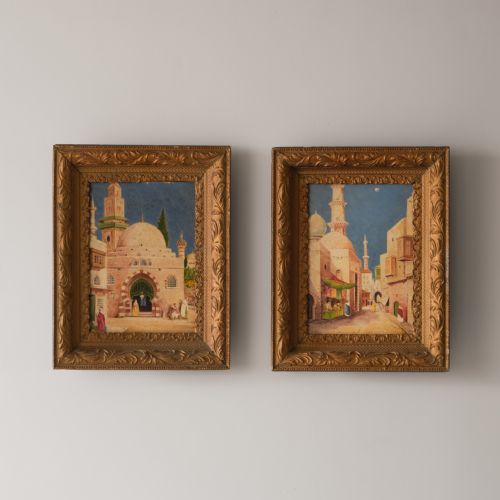
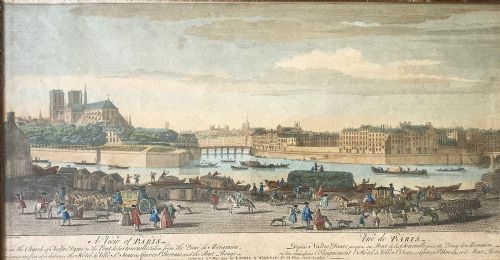
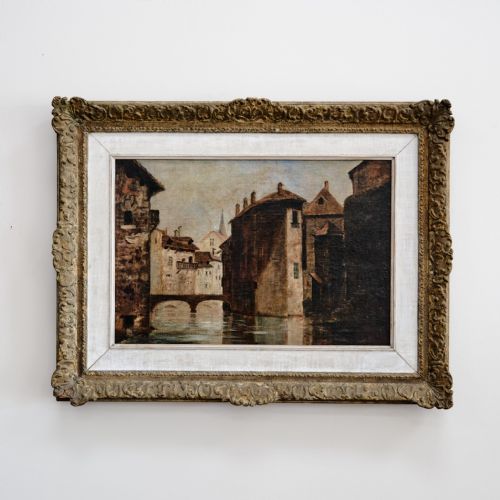





Framed Architectural Cityscape Art
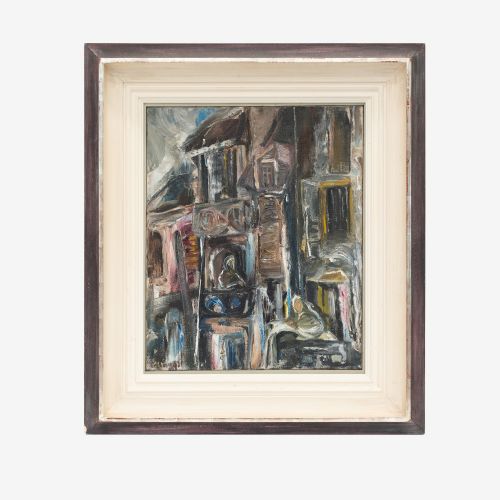
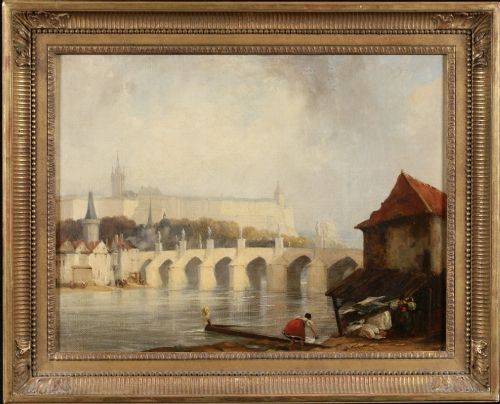
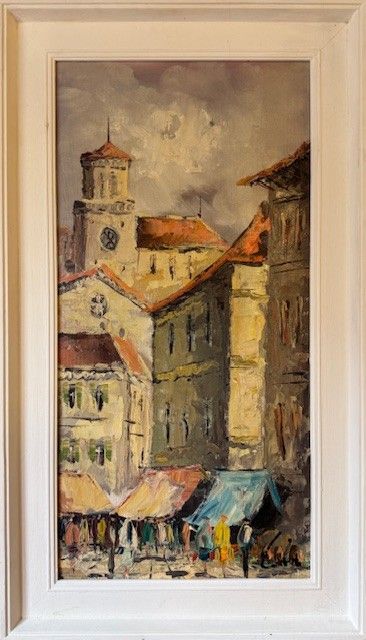
Framed architectural cityscape art captures urban monuments and historic streets across centuries of painting and printmaking.
Framed Architectural Cityscape Art
Framed architectural cityscape art comprises paintings, watercolours, prints, and engravings depicting urban views, streets, and notable buildings from various European locations.
The pieces on this page span several periods, from Georgian and Victorian works to early twentieth-century pieces and mid-century impressionist or expressionist compositions.
Buyers will most frequently encounter oil paintings and watercolours on canvas, paper, or board, alongside hand-coloured engravings capturing cities such as Paris, Venice, and London.
How they were made
Artists utilised oil paint, watercolour, pastel, ink, and gouache applied to canvas, wood, paper, and board to record urban scenes.
Framing typically involves wood, including gilt wood surrounds that complement the period of the painting or print.
Printmakers employed techniques such as etching, drypoint, and engraving, sometimes adding hand colouring to finished impressions.
Several artists travelled with watercolours just to capture gondolas drifting beneath old bridges.
What varies in quality
Quality rests upon the artist's ability to render perspective, light, and architectural detail convincingly within the urban setting.
The handling of medium, from delicate watercolour washes to rich impasto oil paint, dictates the visual depth and atmosphere of the piece.
Original frames and period materials preserved alongside the artwork contribute significantly to the overall integrity of the piece.
Anton Ignaz Melling·Lilian Colbourn·Victor Gabriel Gilbert·Caroline Burnett·Cornelis Christian Dommersen·Frederick Tully Lott·William George Meadows·Lewis J Wood·George Whyatt·Vittore Zanetti Zilla·Claes Jansz Visscher·Job de Vogel·David Law·Noel Harry Leaver·Francis Dodd·Ettore Ascenzi
The Framed Architectural Cityscape Art Glossary
- Etching
- A printmaking technique where lines are bitten into a metal plate with acid before being inked and pressed onto paper. This process allows for fine detail in architectural lines.
- Impasto
- Paint applied thickly to a canvas or board so that it stands out from the surface. This technique adds visible texture to mid-century cityscape works.
- Gouache
- An opaque watercolour paint that dries to a matte finish. Artists use it to achieve solid blocks of colour in architectural studies.
- Drypoint
- A printmaking method where an image is scratched directly into a metal plate with a sharp needle. It produces characteristic soft, velvety lines.
- Grand Tour
- A traditional trip through Europe undertaken by upper-class young men in the 18th and 19th centuries. Works from this context often record famous foreign monuments.
Framed Architectural Cityscape Art: Frequently Asked Questions
What periods do these artworks represent?
The selection includes works from the eighteenth, nineteenth, and twentieth centuries, reflecting changing artistic movements from Georgian and Victorian styles to mid-century expressionism.
Buyers will find that each period brings distinct handling of light and perspective to urban and architectural subjects.
Which cities are most commonly depicted?
Venice and Paris appear frequently across the paintings and watercolours, alongside London, Rome, Prague, and various Dutch and German towns.
These locations were favored by artists travelling through Europe to record historic bridges, canals, and market squares.
Are these works original paintings or prints?
The inventory contains both original hand-painted works in oil, watercolour, and pastel, as well as historical prints and engravings.
Each listing specifies the medium so collectors can distinguish between unique painted canvases and printed graphic works.
How should I choose a frame?
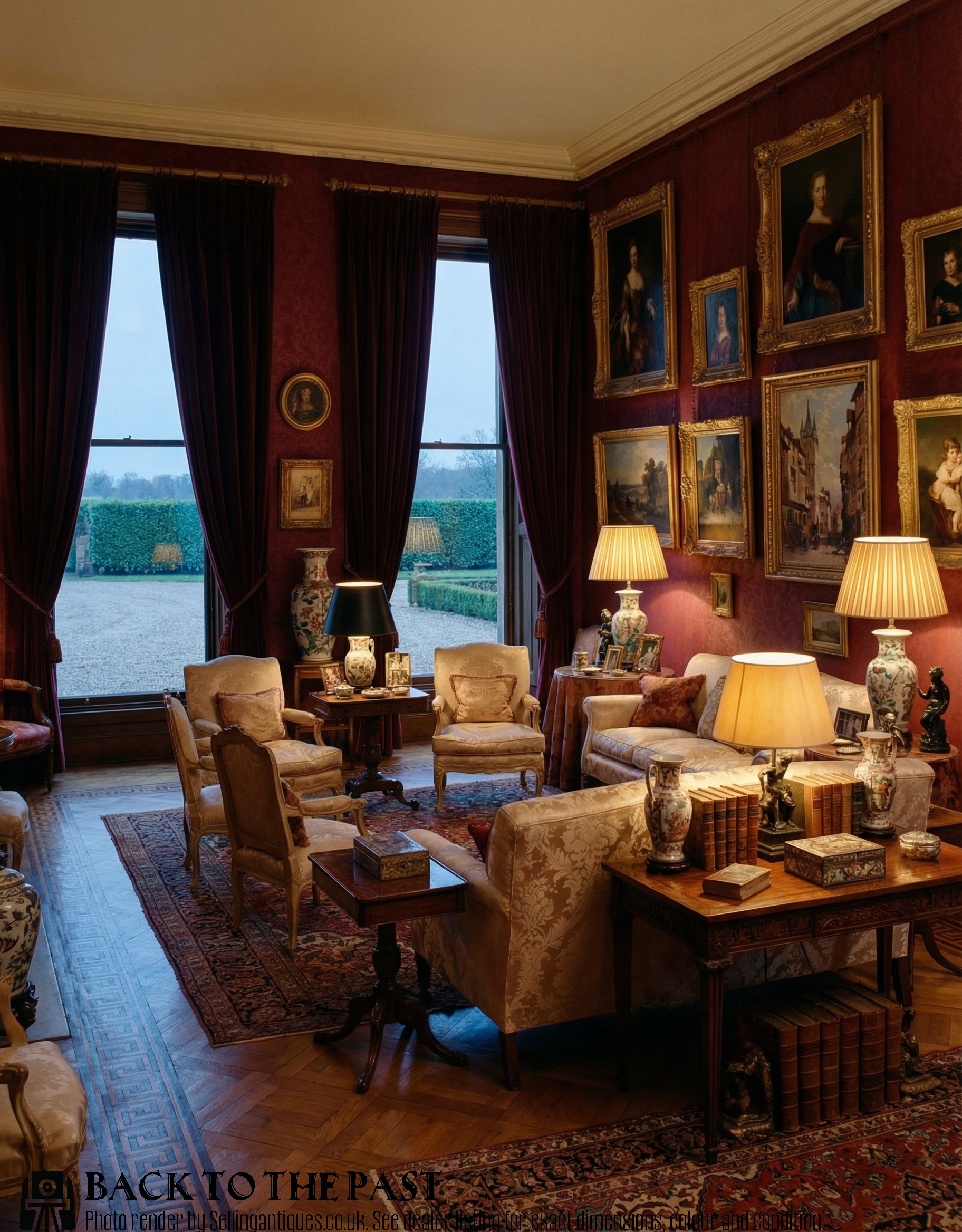
Many pieces come in period surrounds such as gilt wood frames that match the age and style of the artwork.
When selecting a piece, consider whether the existing frame complements your interior or if it reflects the historical context of the cityscape.