




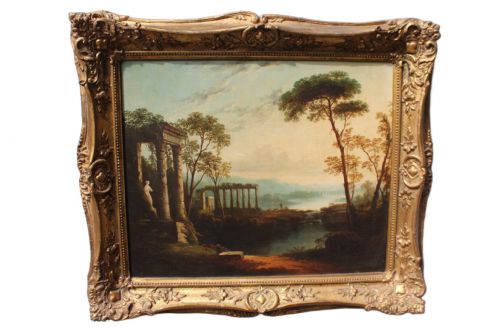


Antique Architecture Oil Canvas
These antique architecture oil canvas works bring classical facades and atmospheric street scenes into a room with genuine period character.
Antique Architecture Oil Canvas
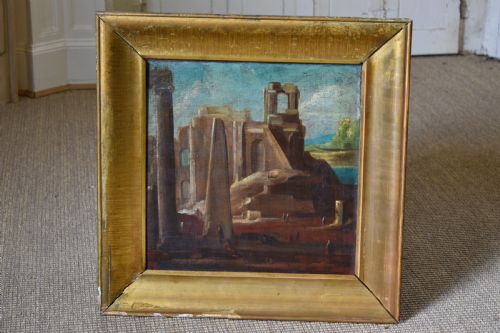
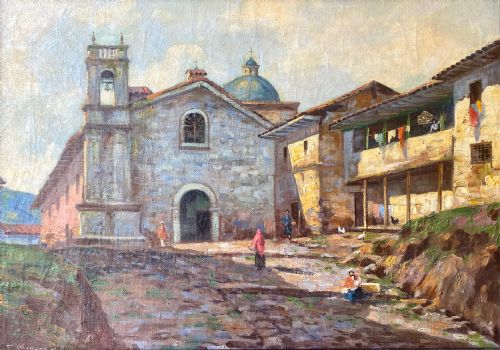
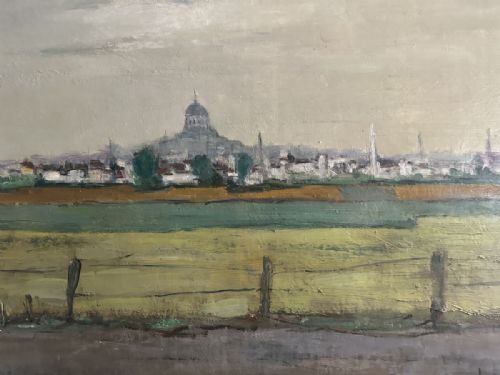
When you search for antique architecture oil canvas pieces, you encounter paintings depicting cathedrals, town scenes, and classical landscapes rendered in oil. These works capture historic buildings, grand ruins, and picturesque European settings across various historical periods.
The versions most commonly met on this page span the nineteenth century through the mid-twentieth century. They range from Grand Tour souvenirs and Flemish street scenes to detailed depictions of British churches and Italianate classical landscapes.
Makers and artists represented in these listings include named painters such as L. De Gent, William George Meadows, Walter Meegan, Liner, and S. A. Doidge. These creators apply oil paint to canvas, frequently housed within wood or gilt wood frames that complement the architectural subjects.
How they were made
These works are painted using oil paint applied directly onto a stretched canvas substrate. Artists build up the composition through layered brushwork to achieve depth in architectural masonry, skies, and surrounding landscapes.
Many of these canvases are housed in frames constructed from wood, occasionally enhanced with gold leaf or gilt finishes. These frames provide structural support while framing the architectural perspective of the oil painting.
Antique Architecture Oil Canvas Retail Price Guide 2026
Typical asking prices for architecture oil canvas among the pieces listed under this phrase on Sellingantiques today, from the lower quarter to the upper quarter. They describe what is for sale here now, not the wider market.
Listings feature works spanning the eighteenth, nineteenth, and twentieth centuries, utilising canvas, oil paint, wood, and gold leaf.
What varies in quality
Quality in these architectural paintings rests upon the precision of perspective, the handling of light on stone surfaces, and the overall atmospheric depth achieved by the artist. Stronger works demonstrate a confident command of proportion in complex buildings and urban vistas.
The execution of detail in secondary elements, such as figures in a street scene or foliage around a church, separates accomplished compositions from more formulaic topographical records. Furthermore, the preservation of the original oil paint layer and the character of the associated wood or gilt frame influence the overall integrity of the piece.
L. De Gent·William George Meadows·Walter Meegan·Liner
The Antique Architecture Oil Canvas Glossary
- Canvas
- A heavy woven fabric used as a support surface for oil paintings. It is typically stretched tightly across a wooden frame before painting begins.
- Grand Tour
- A traditional trip of Europe undertaken by upper-class European young men of sufficient means. Paintings from this context often depict classical ruins and Italianate architecture.
- Gilt Wood
- Wood that has been treated with a thin layer of gold leaf or gilt finish. This material is frequently utilised for period picture frames.
- Italianate Classical
- An artistic style inspired by the architecture and idealized landscapes of Italy. It emphasises classical ruins, balanced compositions, and balanced proportions.
- Impressionism
- A nineteenth-century movement characterised by relatively small, thin, yet visible brush strokes and an emphasis on accurate depiction of light.
Antique Architecture Oil Canvas: Frequently Asked Questions
What subjects appear in these paintings?
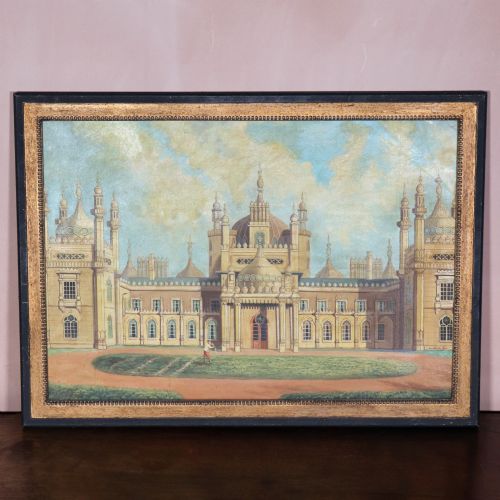
These works depict architectural subjects including European cathedrals, continental town scenes, Flemish streets, and classical Italianate landscapes. Famous locations such as Padua Cathedral and the Royal Pavilion in Brighton also feature.
Artists record these buildings with varying degrees of topographical precision and romantic atmosphere, reflecting the prevailing artistic styles of their respective centuries.
How do I date an architectural oil canvas?
Dating relies on stylistic clues, framing materials, and recorded signatures or period attributions. Pieces range from eighteenth-century classical compositions to mid-twentieth-century city views.
Victorian works and nineteenth-century pieces often display specific brushwork techniques and canvas preparations characteristic of their era of production.
Where were these paintings displayed originally?
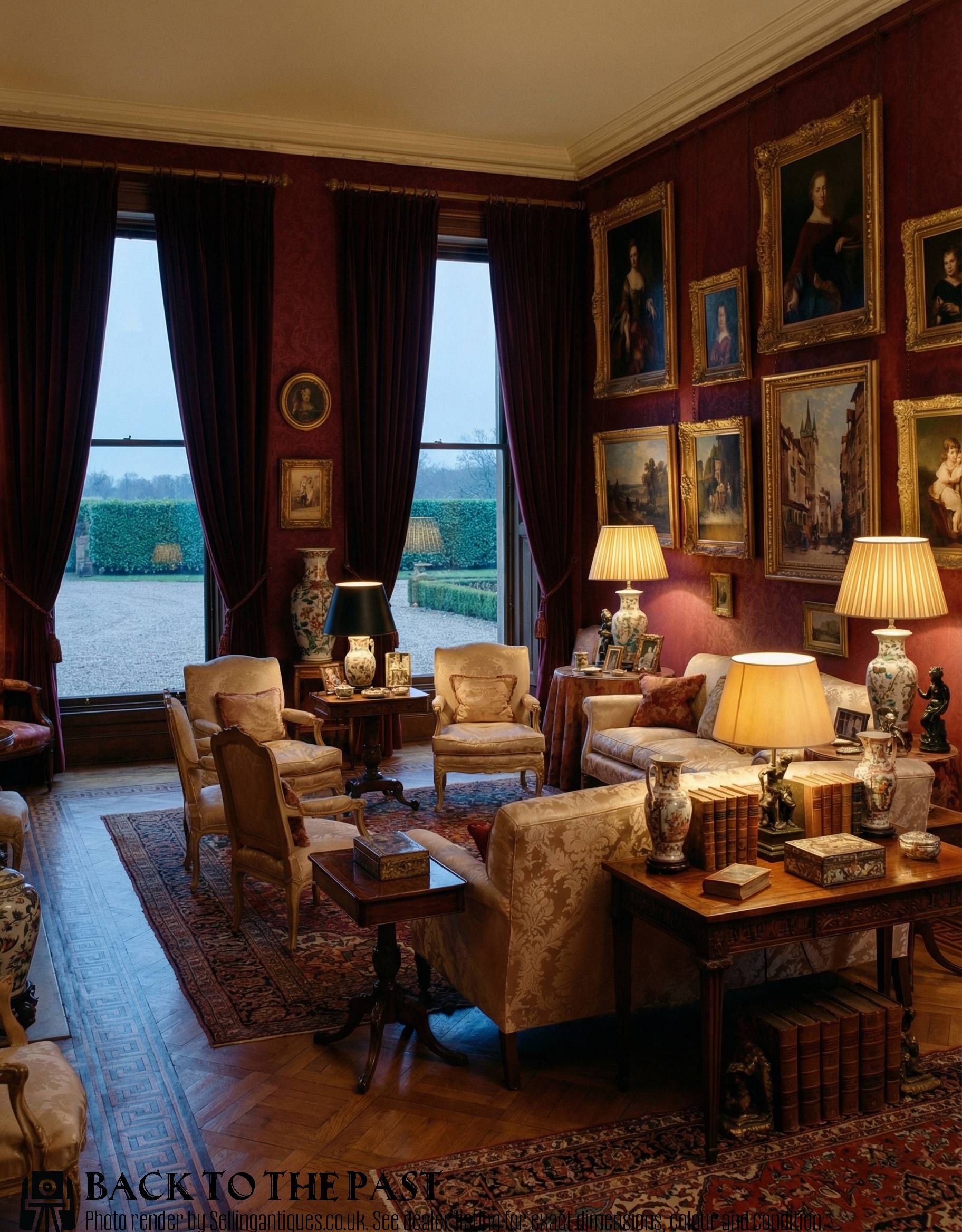
Historically, these oil paintings hung in domestic reception rooms, parlours, and studies as expressions of travel, culture, and architectural appreciation. Grand Tour pieces served as mementos of foreign travel.
Today, they function similarly in interior spaces, offering focal points that introduce historical depth and architectural perspective to a room.
How do I care for an oil painting on canvas?
Keep the canvas away from direct sunlight and excessive moisture fluctuations to protect both the oil paint and the underlying fabric. Gentle dusting with a soft, dry brush maintains the surface.
Avoid using liquid cleaners or abrasive materials on the painted surface or the wooden and gilt frames.