


Framed Profile
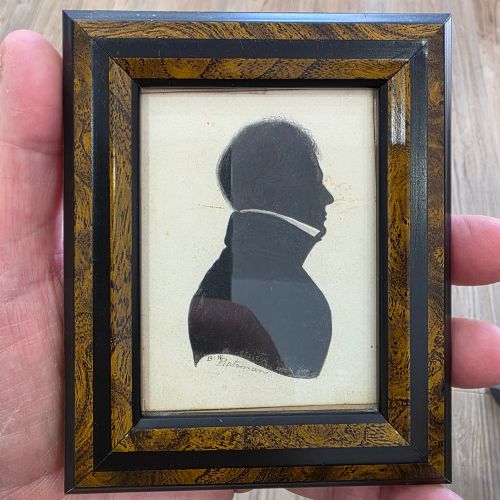
A framed antique profile captures a likeness in silhouette, wax, or intaglio, offering a direct window into past lives through skilled miniature portraiture.
Framed Profile
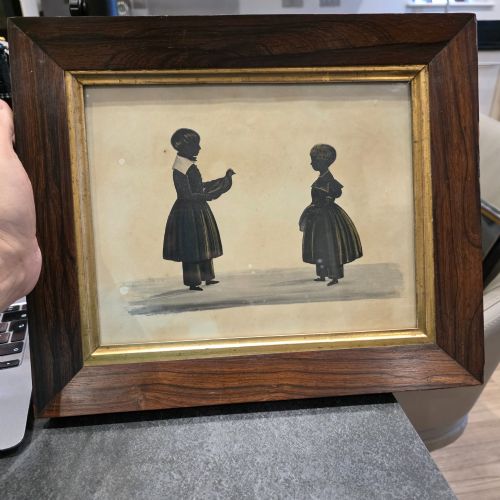
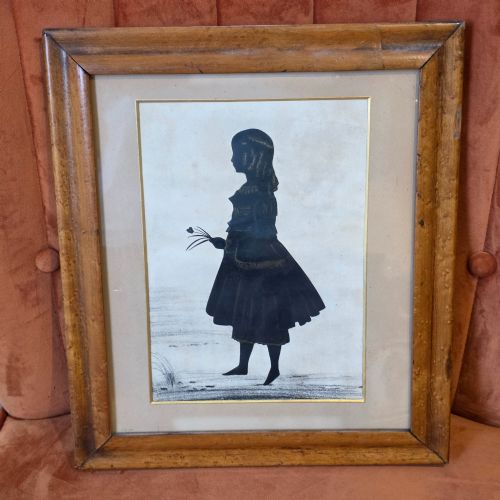
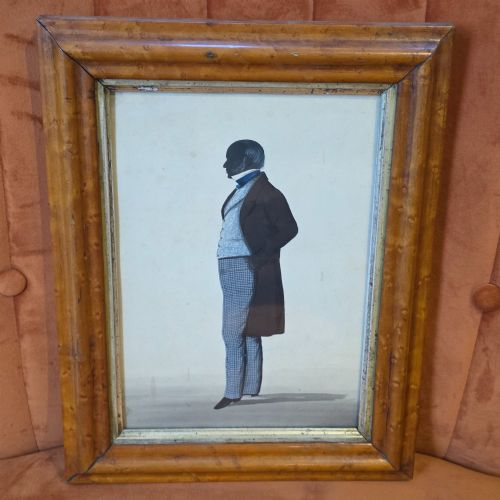
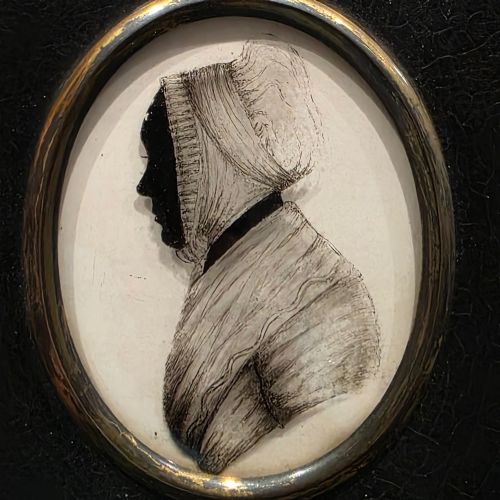
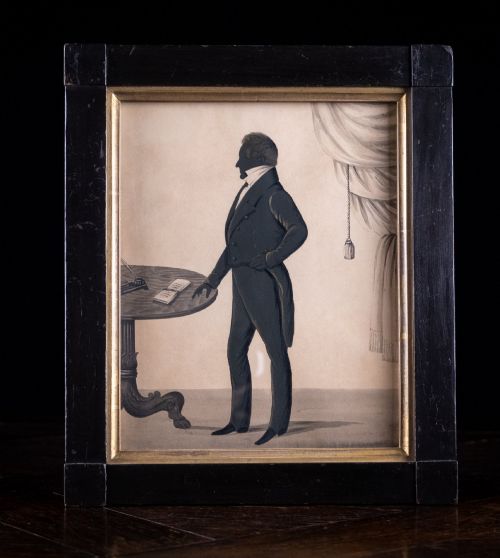
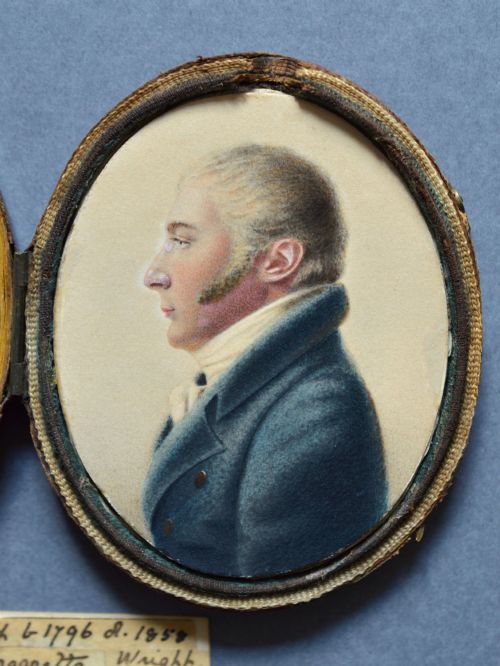
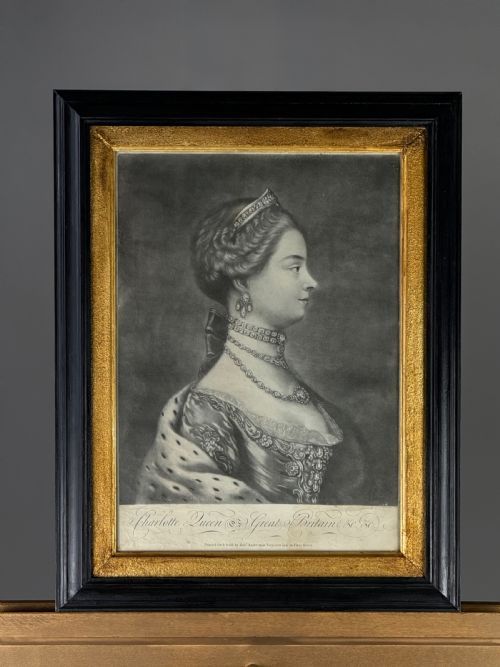
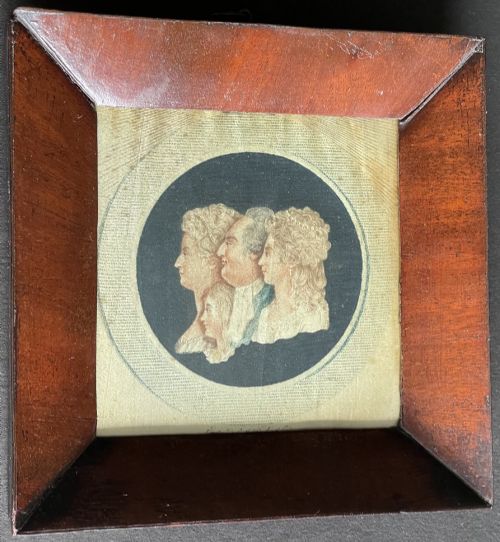
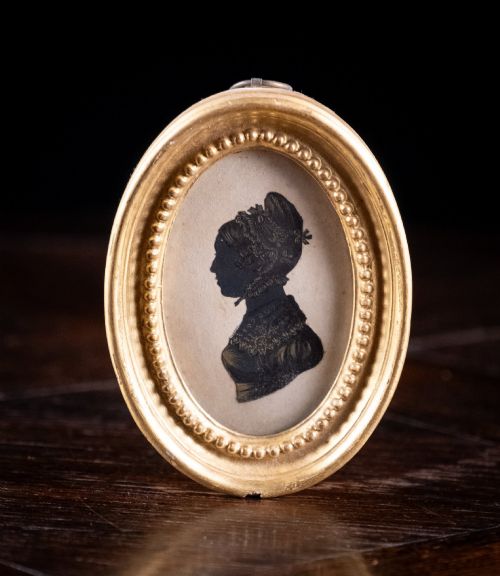
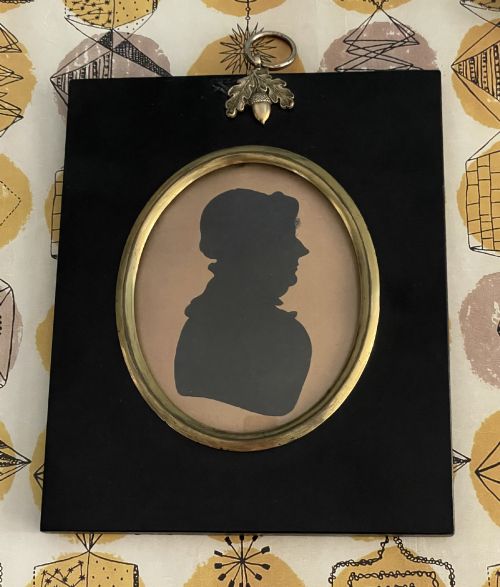
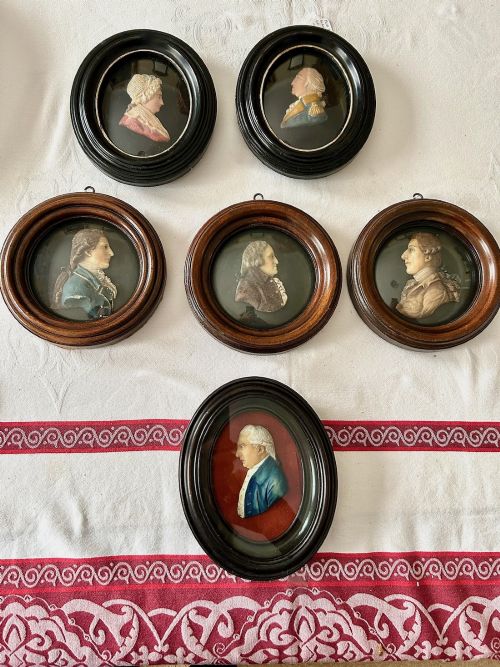
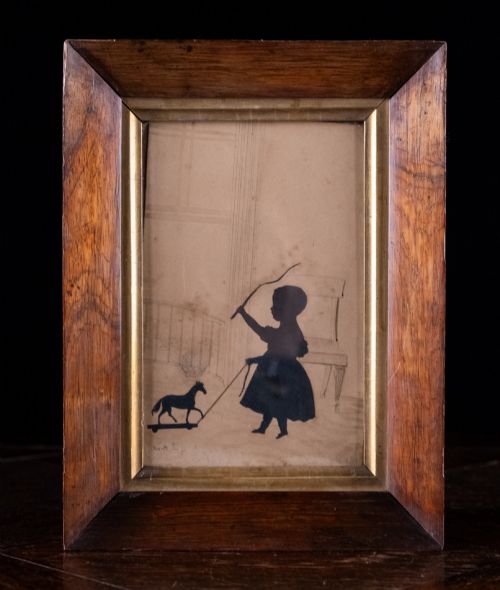
A framed antique profile appears most frequently as a silhouette, portrait miniature, or classical relief, originating predominantly from the eighteenth and nineteenth centuries. These pieces encompass cut paper, painted glass, and wax reliefs, housed in original wood or gilt frames that complement their intimate scale.
The selections span Regency elegance, Georgian formality, and Victorian sentimentality, alongside Grand Tour souvenirs collected during European travels. Portrait silhouettes and carved plaques dominate the category, capturing subjects from anonymous gentlemen to named historical figures with precise detail.
How They Were Made
Craftsmen utilised glass, paper, wood, and brass, combining ink, watercolour, and gold leaf to render precise facial contours. Reverse painting on glass required meticulous brushwork applied directly to the rear surface, creating a glossy finish that protected the pigment.
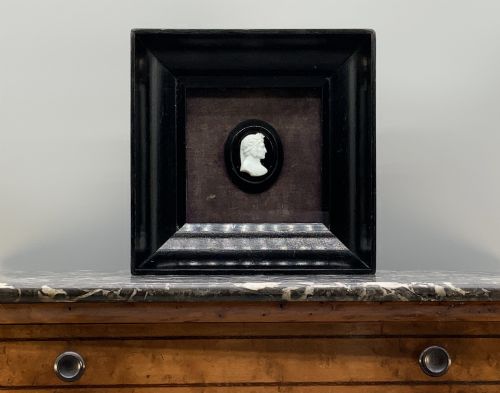
Relief profiles often involved carved ivory, wax, or gypsum cast into intaglio panels and framed securely behind glass. Cut-paper silhouettes relied on steady scissors and sharp blades to achieve accurate proportions without preparatory sketching.
Several silhouettes capture beloved family pets, including dogs, alongside their human counterparts.
What Varies In Quality
The definition of the cutting or brushwork dictates visual success, where confident lines distinguish skilled hands from naive attempts. Attention to anatomical proportion and expression separates standard keepsakes from exceptional portraits.
Original framing preserves the integrity of the piece, with period glass and untouched giltwood enhancing historical value. Provenance and legible signatures from recognised profile artists elevate specific examples within the medium.
James Sharples·John Miers·Augustin Edouart·Thomas John Horsley·James McArdell
The Framed Profile Glossary
- Silhouette
- A portrait represented as a solid shape of a single colour, usually black, showing the profile in sharp outline. These were painted on card or cut from black paper.
- Intaglio
- A design engraved or incised into a material such as stone or gypsum so that the impression sinks below the surface. Grand Tour collectors frequently gathered these classical panels.
- Reverse painting on glass
- An art form where the image is painted on the reverse side of a glass panel and viewed from the front. This technique protects the fragile paint layers from dust and damage.
- Grand Tour
- A traditional trip of Europe undertaken by upper-class European young men of sufficient means. Travellers often returned with carved ivory plaques and plaster cameos.
- Portrait miniature
- A miniature painting or profile executed on a small scale, often housed in a locket or deep frame. These demand immense precision due to their reduced dimensions.
Framed Profile: Frequently Asked Questions
What is a silhouette profile?
A silhouette profile is a likeness cut from paper or painted onto card, glass, or plaster, capturing a subject entirely in outline.
These compact portraits gained immense popularity during the Georgian and Regency periods as an affordable alternative to painted oils.
How were wax portraits made?
Wax portrait reliefs were modelled by hand or cast in moulds, often tinted with pigments to achieve realistic skin tones.
Artists frequently mounted these delicate profiles against dark velvet backgrounds within deep wooden frames protected by glass.
What are Grand Tour intaglios?
Grand Tour intaglios are carved gemstone, glass, or gypsum cameos depicting classical figures and architectural motifs from European travels.
Collectors arranged these miniature panels in velvet-lined boxes or framed sets to display their classical erudition at home.
How do I date a silhouette?
Dating relies on costume details, hair styling, framing materials, and occasionally signature inscriptions or artist trade labels on the reverse.
Early nineteenth-century examples often feature delicate gold leaf highlights and convex glass within slender bird's-eye maple frames.