
Framed Figure Art
Framed antique figure art brings centuries of human representation into domestic spaces through oils, engravings, and pencil studies.
Framed Figure Art
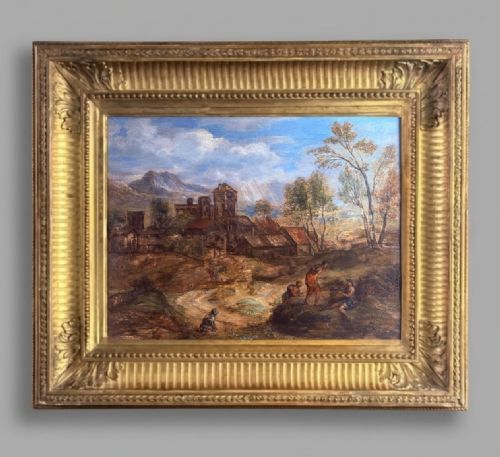
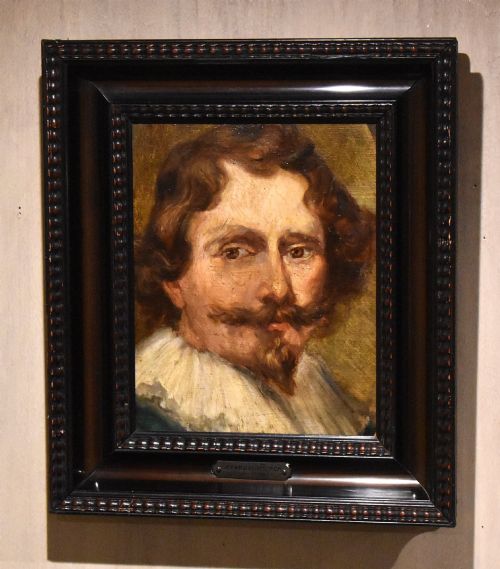
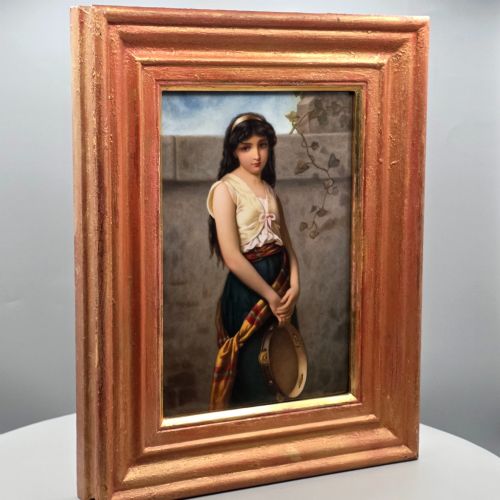
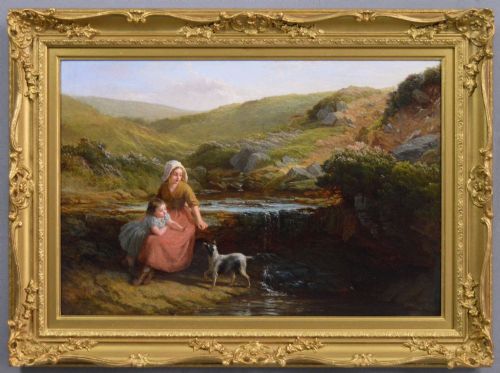
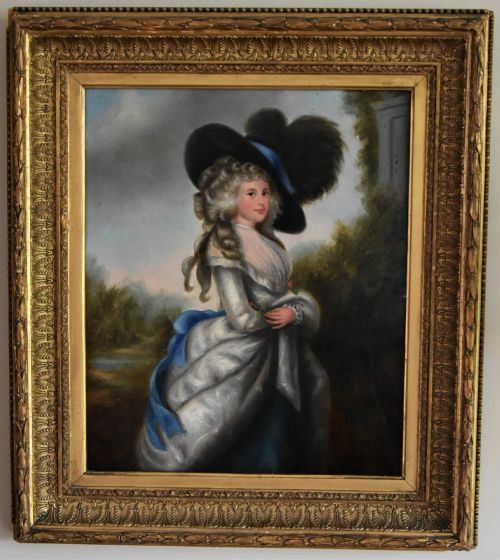
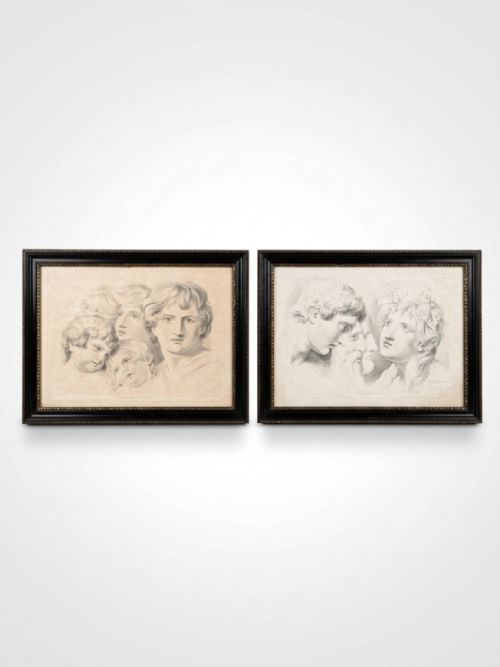
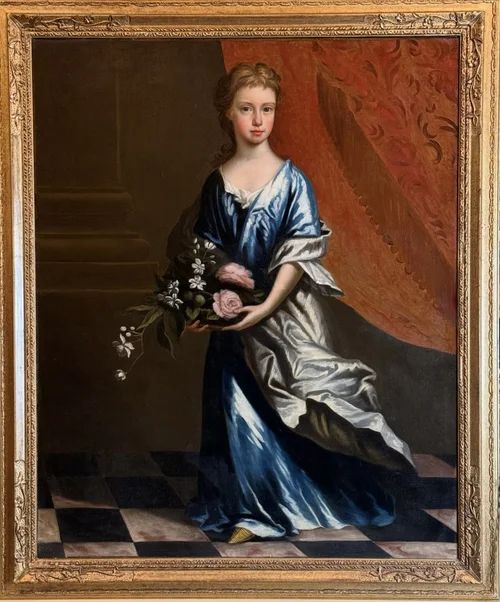
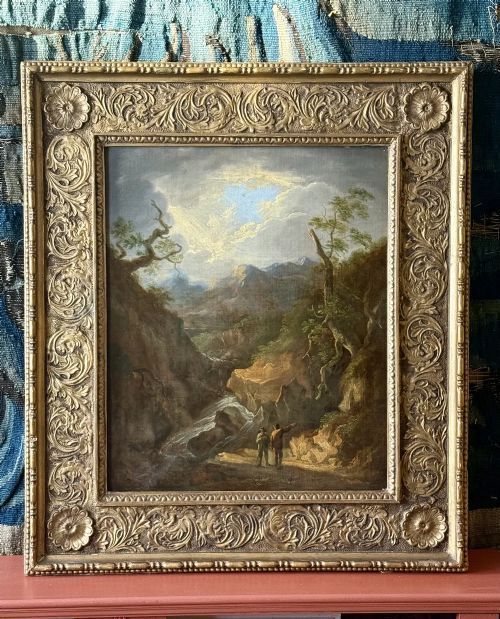
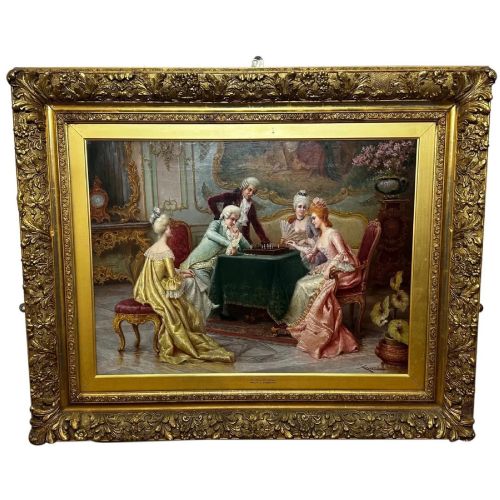
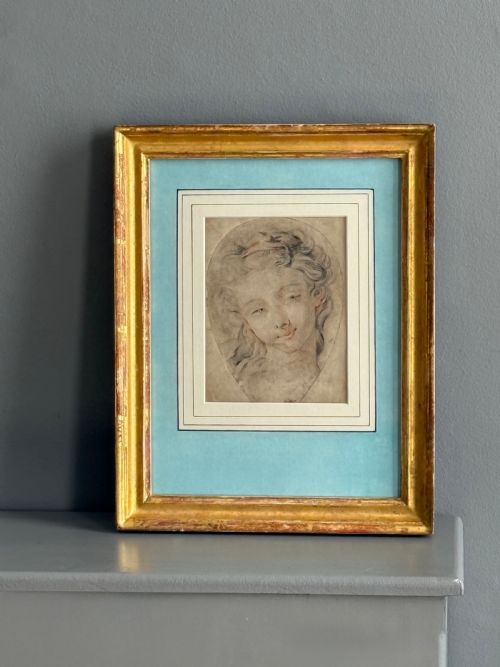
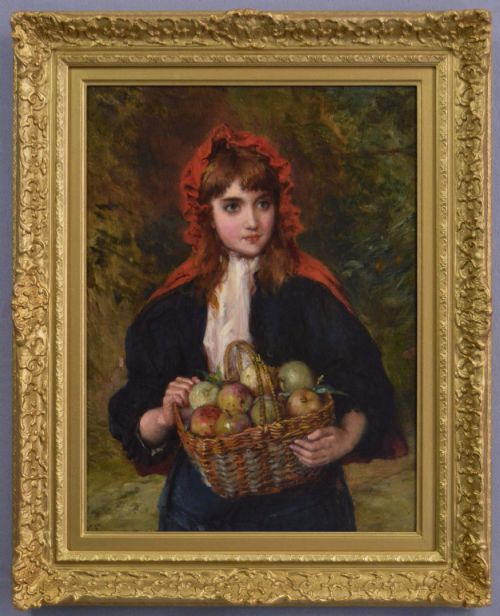
Framed antique figure art comprises portraits, classical scenes, and figure studies spanning from the seventeenth century through to the mid-twentieth century. These works capture human subjects through diverse lenses, from eighteenth-century mezzotint portraits to nineteenth-century oil paintings of country paths with figures.
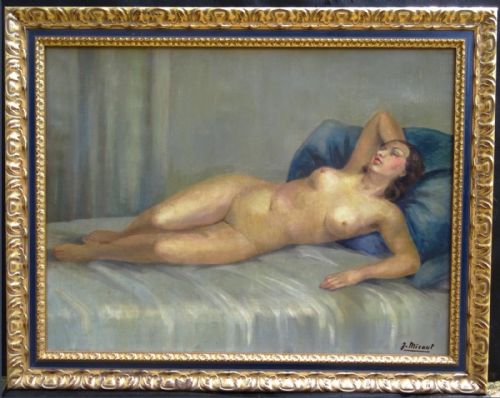
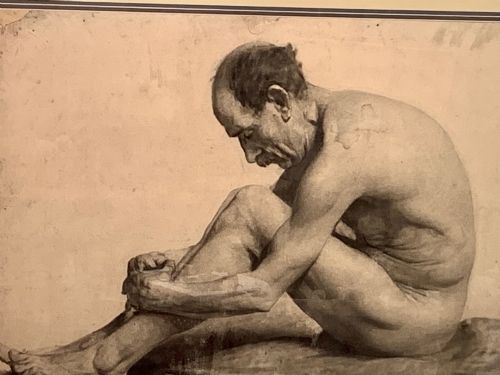
Buyers regularly encounter portraits of nobility alongside classical mythological scenes and intimate life drawings housed within period enclosures. The selection ranges from studio samples and school works to signed original compositions on canvas, panel, and paper.
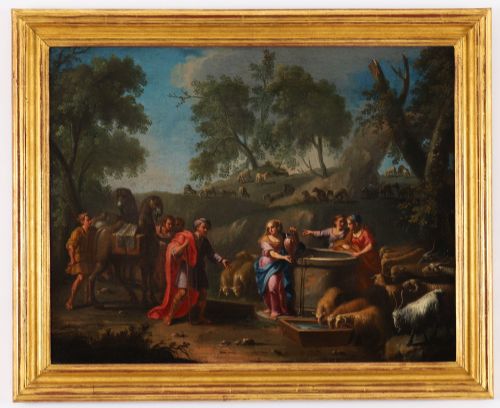
The category bridges formal portraiture and narrative genre scenes, offering glimpses of historical dress, domestic labour, and classical mythology. Most surviving pieces reach the market preserved behind glass or within carved giltwood frames that reflect their original eras.
Materials and construction methods
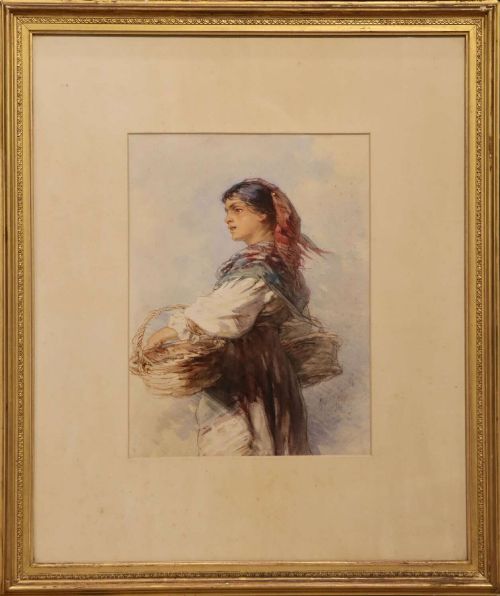
Makers utilised oil paint on canvas or wood panels, alongside watercolour, ink, and pencil on paper to construct these figurative works. Printmakers employed copper plates to produce engravings and mezzotints, applying ink by hand before printing.
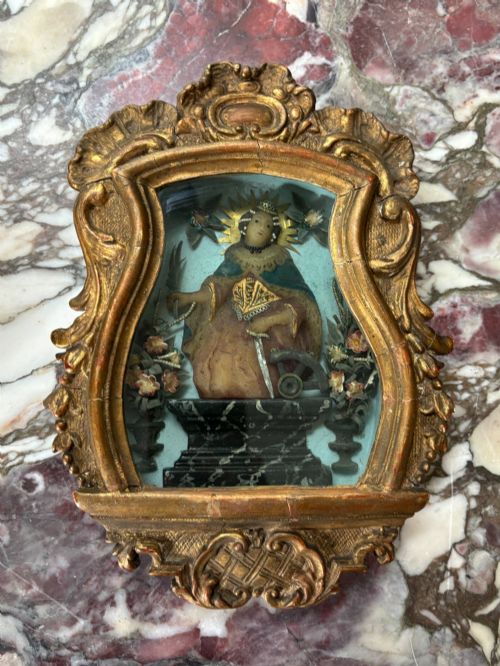
Enclosures typically consist of wood frames finished with gold leaf or giltwood, sometimes carved in elaborate Renaissance Revival or Baroque patterns. Mixed media studies and collage works occasionally incorporate varied substrates and applied elements.
A nineteenth-century collage of dancing African girls shares space with solemn portraits of seventeenth-century Danish royalty.
Factors determining quality
The skill of the draughtsman or painter dictates the anatomical precision and expressive depth of the human subject. Masterly handling of light, shadow, and fabric drapery separates academic studio output from provincial copies.
The originality and condition of the framing material heavily influence overall integrity. Carved giltwood and period frames that match the age of the artwork command greater regard than later replacements.
William Oliver·Edward Fisher·Sir Joshua Reynolds·Sir Peter Lely·James Smetham·Francois Boucher·Sir Godfrey Kneller·William Etty·Thomas Barker of Bath·Thomas W Lascelles·James Heath·Biaggio Rebecca·Charles D’Agar·Eric Robertson·Robert John Hammond·Walter Heath Williams·Herbert Dicksee·Augustus John
The Framed Figure Art Glossary
- Mezzotint
- A printmaking process where the copper plate is roughened to produce rich tonal gradations rather than hard lines. This technique allows for subtle rendering of light and shadow in portraiture.
- Giltwood
- Wood that has been coated with a thin layer of gold leaf or gold paint. It frequently appears on ornate antique picture frames from the Baroque and Victorian periods.
- Oil on Canvas
- Pigments bound in a drying oil medium applied directly to stretched woven fabric. This combination provides durability and allows for deep blending of tones.
- Study
- A preparatory drawing or painting executed to explore a composition or figure before undertaking a finished work. These pieces often reveal the artist's immediate hand and working process.
- Circle of
- A designation used when a painting shows the distinct hand of an unrecorded artist working closely within the immediate milieu of a known master. It denotes stylistic proximity rather than direct authorship.
Framed Figure Art: Frequently Asked Questions
What subjects appear in framed antique figure art?
The subjects range from formal aristocratic portraits and classical mythological figures to intimate pencil life drawings and genre scenes of everyday life. Works depict single sitters, groups of children, and historical personages captured across multiple centuries.
Artists frequently drew inspiration from classical literature, contemporary fashion, and domestic narratives, resulting in a diverse visual record of human representation.
How should I care for antique paintings on paper and canvas?
Protective placement away from direct sunlight and damp environments ensures the longevity of both paper works and oil paintings. Maintaining stable indoor temperatures prevents the canvas or wood panel from warping and the paper from yellowing.
Dusting giltwood frames gently with a dry, soft brush preserves the delicate gold leaf without introducing moisture or abrasive friction.
How can I distinguish between an original oil painting and a print?
Close examination under magnification reveals the raised texture of brushstrokes and the weave of the canvas in an original oil painting. Prints and engravings display uniform ink distribution within incised lines or dot patterns rather than layered pigment.
Checking the surface under oblique light often highlights the glossy sheen of dried oil paint compared to the flat matte appearance of antique paper prints.
Were these artworks always framed?
Most works were paired with custom frames intended to complement the aesthetic of the period, ranging from simple timber mouldings to heavily carved giltwood. Frames often underwent replacement or restoration over the centuries as interior tastes shifted.
Original frames that match the age and wear of the artwork offer historical context and complete the visual presentation of the piece.