
Framed Engraved Print
A framed antique engraved print brings centuries of graphic artistry and portraiture onto the wall, offering historical depth to an interior.
Framed Engraved Print
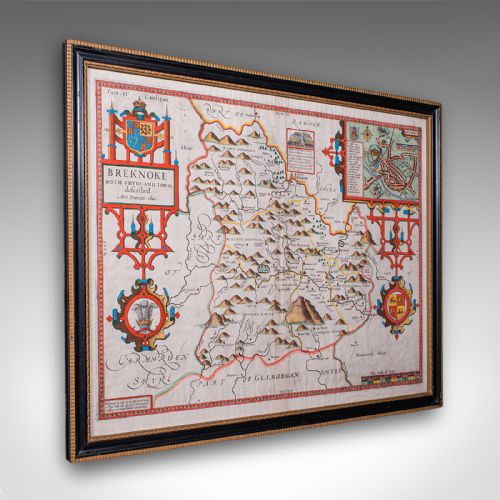
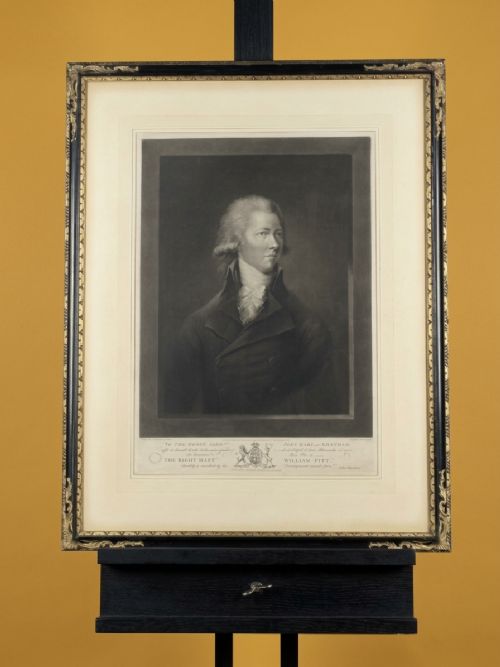
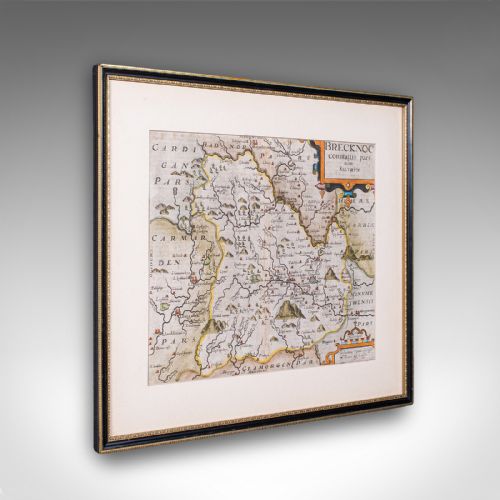
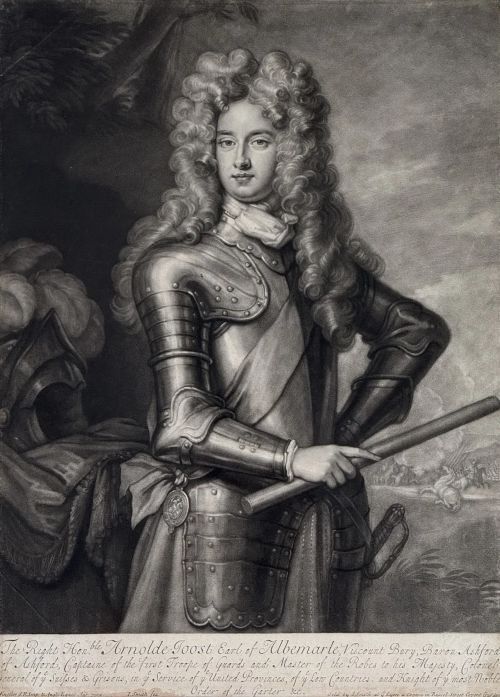
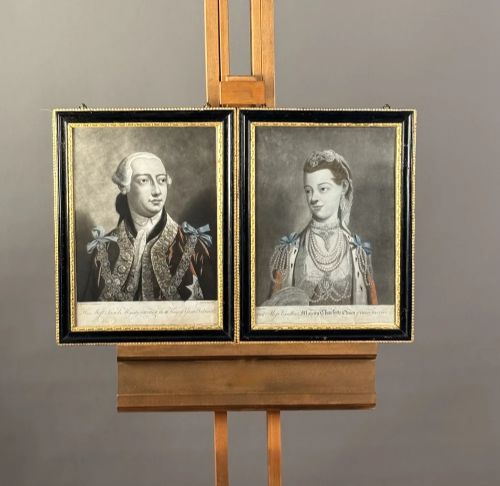
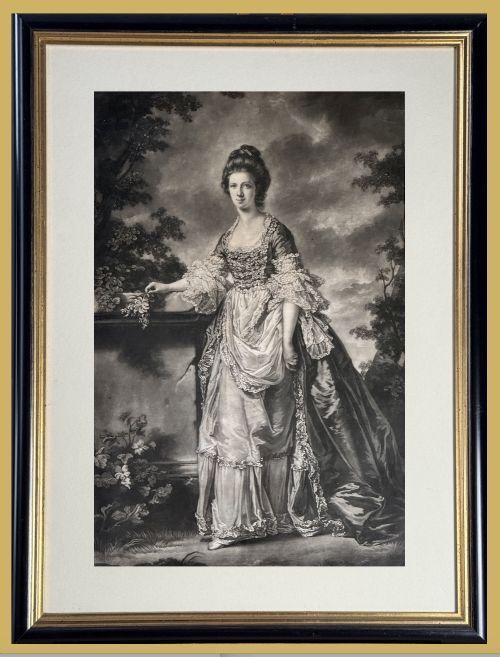
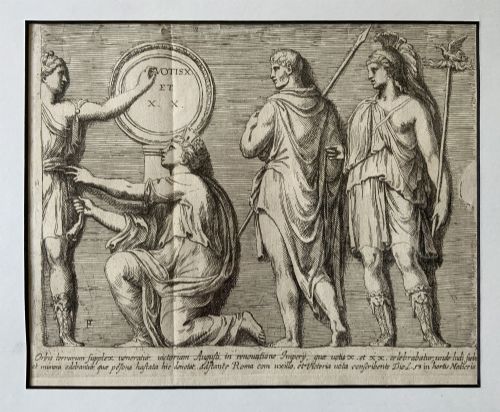
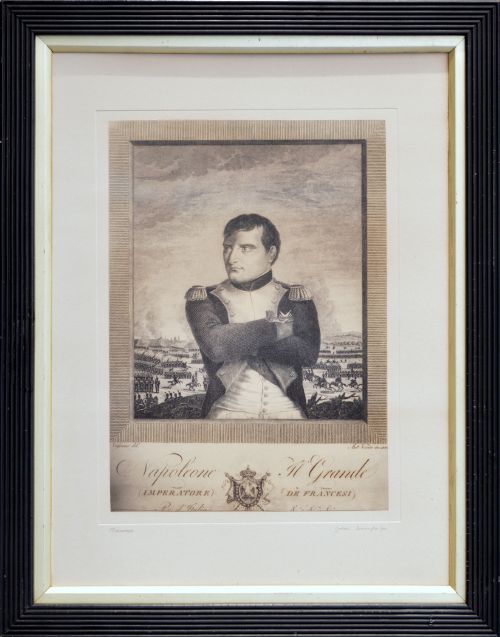
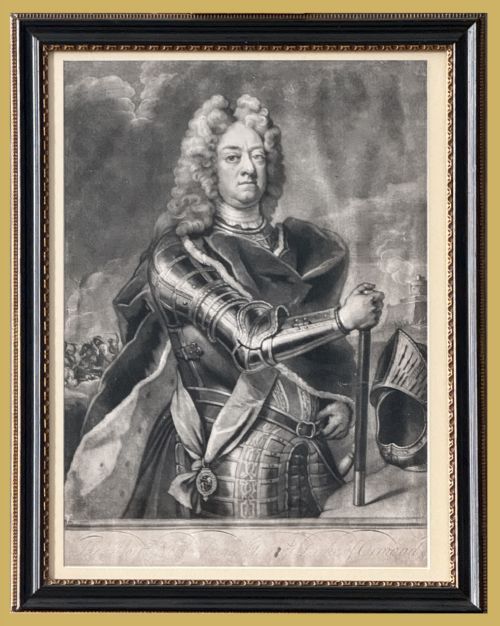
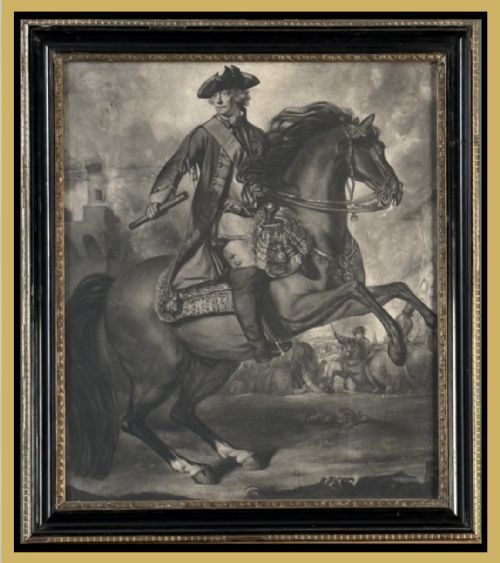
A framed antique engraved print encompasses works spanning the seventeenth, eighteenth, and nineteenth centuries, alongside early twentieth-century examples. These pieces frequently take the form of mezzotint portraits, topographical views, maps, and botanical or anatomical plates.
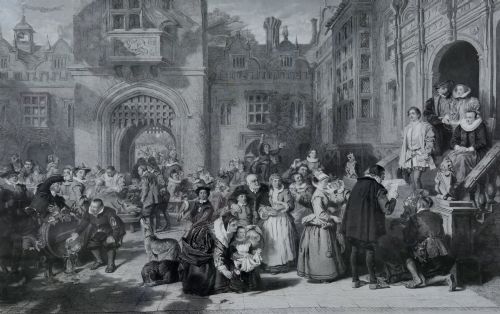
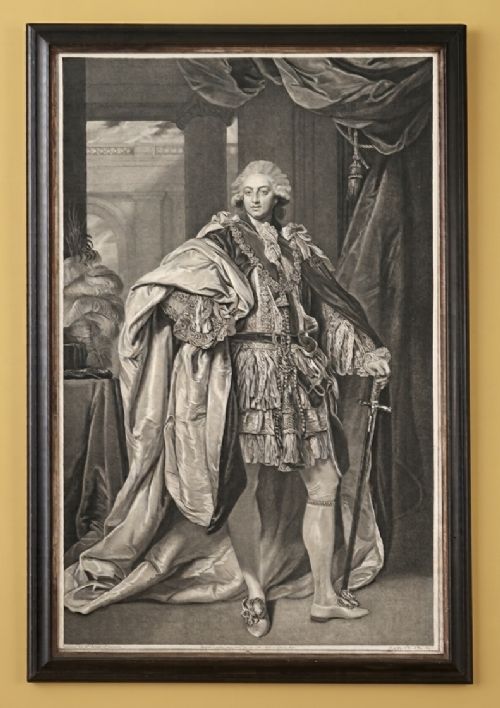
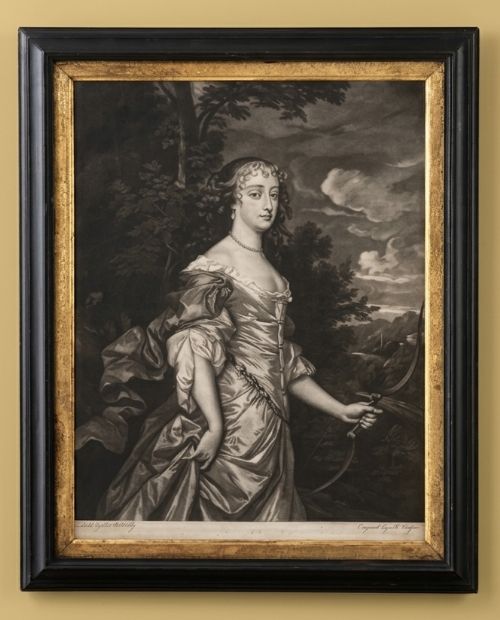
The selection on this page centres heavily on eighteenth-century British portraiture produced by master engravers after prominent painters. Alongside these formal portraits appear specialised subjects like Caribbean maps, sporting scenes, and architectural plates housed in period surrounds.
Buyers encountering these items find works originating from structured print publishing traditions, capturing likenesses of nobility, historical events, and allegorical scenes. The physical items combine historical ink work on paper with protective glass and wooden or gilt frames.
How they were made
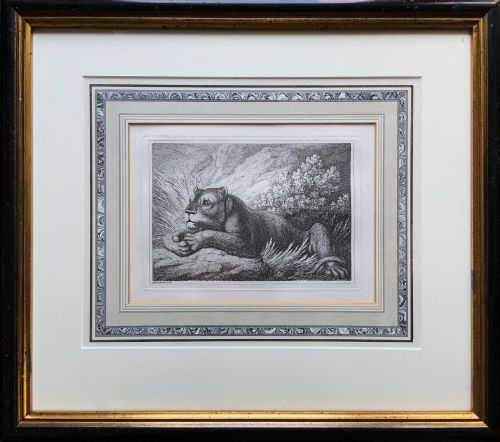
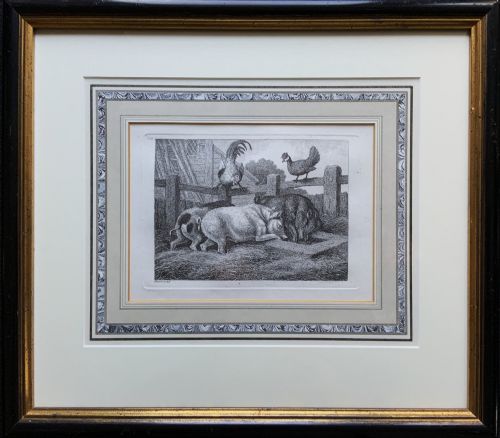
Makers utilised copper plates or related metal surfaces, working the metal using techniques such as mezzotint, stipple engraving, etching, and drypoint to hold ink. Once inked, the plate transferred the image onto high-grade paper under pressure.
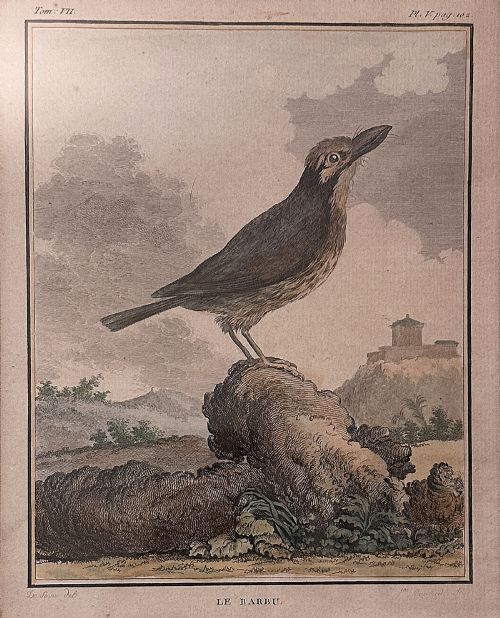
Many historical examples received hand colouring using water-based pigments applied directly to the printed surface after impression. Printers occasionally utilised silk as a specialised printing ground instead of standard paper.
Finished works found protection beneath glass housed within timber mouldings, frequently finished in gold leaf, gilt, or giltwood. These frames provided structural support and visual definition suited to domestic display.
The selection includes formal portraits, anatomical plates, Caribbean maps, and sporting scenes.
What varies in quality
The clarity of the impression on the paper separates superior examples from worn plates, as repeated printing softens fine lines and tonal depth. Crisp ink transfer preserves the delicate cross-hatching and subtle gradients intended by the engraver.
The integrity and originality of the surrounding frame contribute significantly to the overall standing of the piece. Period frames utilising original giltwood or gold leaf maintain the historical context of the artwork better than later replacements.
Provenance and documentation elevate specific impressions, particularly when associated with recognised printmakers and esteemed painters. The presence of contemporary hand colouring executed with precision further distinguishes finer sheets.
John Simon·Edward Fisher·Francesco Bartolozzi·John Smith·James Watson·Valentine Green·Thomas Watson
The Framed Engraved Print Glossary
- Mezzotint
- A printmaking process where the copper plate is roughened uniformly to produce rich dark tones, and scraped to create lighter areas. This technique allowed for subtle gradations of light and shade, making it popular for portraiture.
- Stipple engraving
- A method of creating images on metal plates using dots rather than continuous lines. The technique produced soft tonal effects well suited to replicating chalk drawings.
- Drypoint
- An intaglio printmaking technique where a design is scratched directly into a metal plate with a sharp needle. This process raises a burr of metal that holds ink to create a velvety line.
- Giltwood
- Wood that has been coated with a thin layer of gold leaf or gold paint. It frequently forms the decorative surface of antique picture frames.
- Intaglio
- A family of printmaking methods where the image is incised into a surface so that the ink sits below the plane of the plate. Engraving, etching, and mezzotint all fall under this category.
Framed Engraved Print: Frequently Asked Questions
What is a mezzotint engraving?
A mezzotint is an intaglio printmaking method where the metal plate is roughened to hold ink uniformly, creating deep tones. Artists scrape away areas of this rough surface to introduce highlights and form detailed portraits.
This technique achieved widespread popularity for reproducing oil paintings because it captured subtle shifts in light and shadow without relying purely on hard lines.
How should I care for framed paper prints?
Paper prints require protection from direct sunlight to prevent the fading of ink pigments and any applied hand colouring. Maintaining stable indoor humidity levels prevents the paper stock from warping or developing foxing spots over time.
Displaying these works away from moisture-prone areas ensures the paper, framing materials, and glass remain stable for decades.
Are these prints original to their stated period?
The listings feature works pulled during the stated centuries, utilising traditional printing plates created by contemporary engravers. Period paper stock, ink composition, and plate wear help establish the historical origin of each sheet.
Matching the printing characteristics to documented historical production methods confirms the age of the individual impression.
Why do some prints feature hand colouring?
Publishers and owners occasionally employed artists to apply watercolours to printed maps, botanical plates, and scenic views by hand. This added visual vibrancy and highlighted specific topographical or natural details.
Hand colouring distinguishes certain editions from monochrome impressions, reflecting period preferences for decorative wall art.