

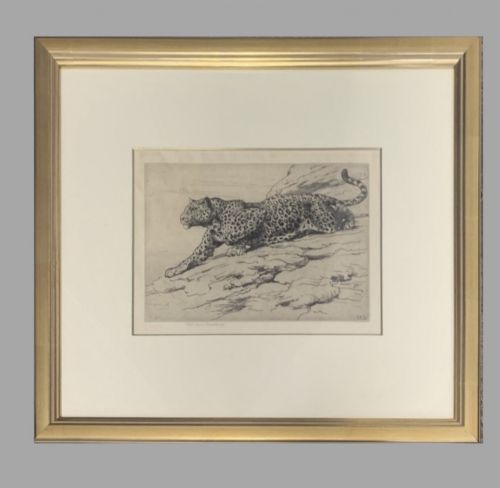
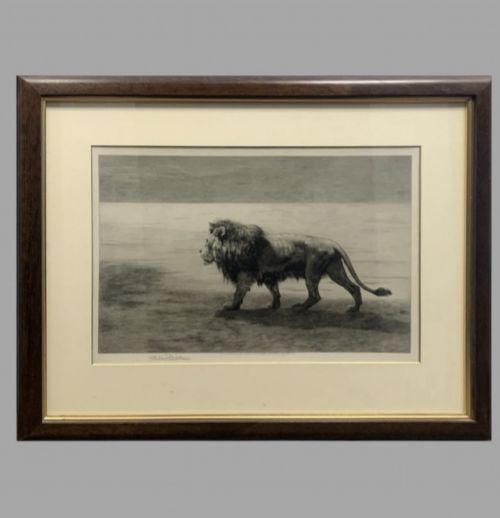


Framed Animal Etching
These framed animal etching works bring tactile ink and vellum into domestic spaces, capturing decades of domestic and wild subjects behind protective glass.
Framed Animal Etching
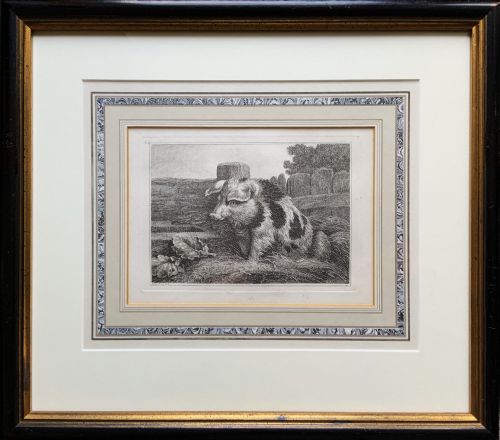
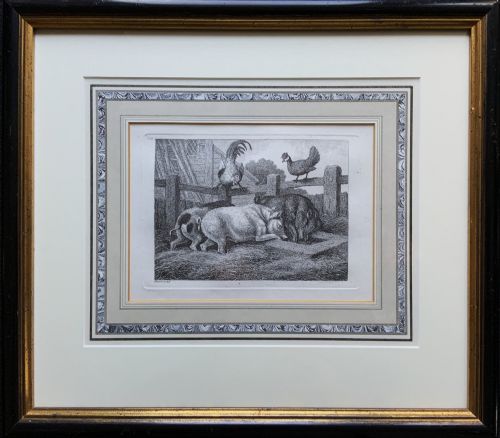
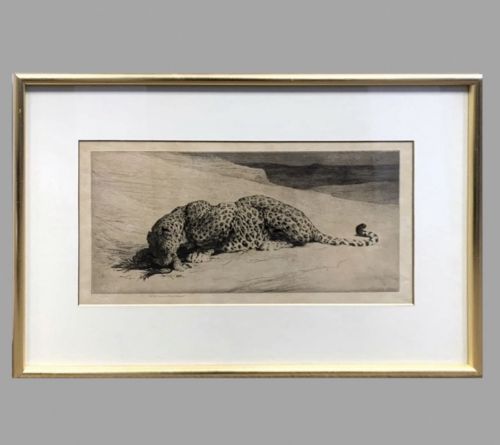
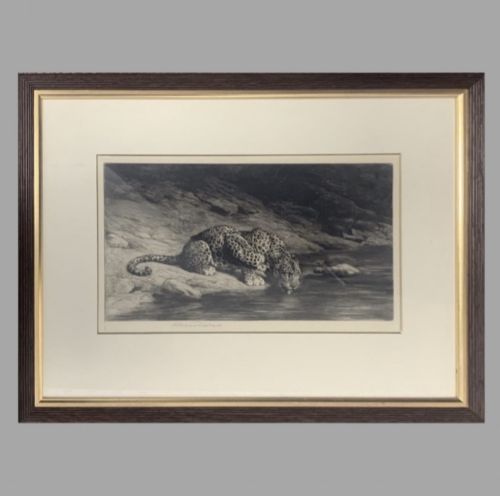
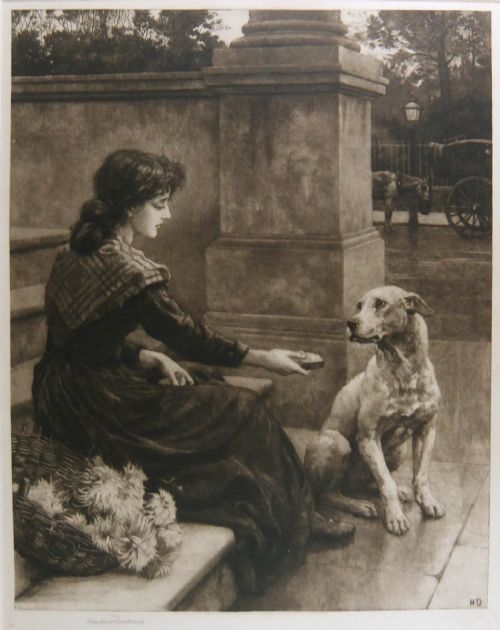
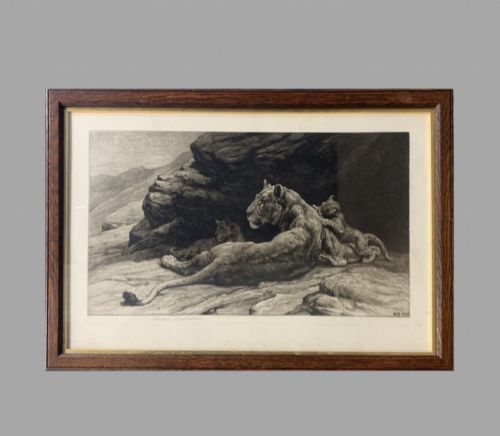
A framed animal etching presents inked animal imagery preserved behind glass within protective wooden surrounds. These works range from late Victorian representations of canine subjects to early twentieth century depictions of big cats.
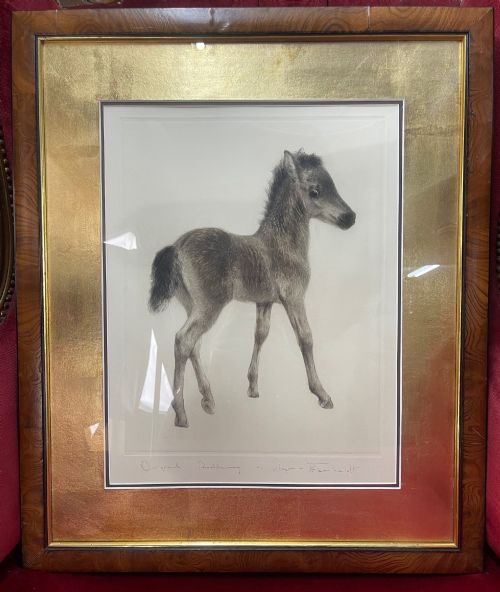
Buyers frequently encounter signed artist proofs executed on paper or vellum. The selection spans the nineteenth century through the nineteen thirties, encompassing Edwardian and English Country House aesthetics.
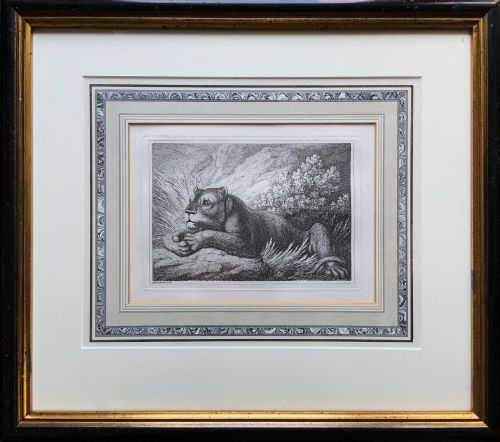
Subject matter divides broadly between domestic dogs such as spaniels and bulldogs, and powerful wild animals including leopards, lions and tigers. Each composition relies on fine lines incised into plates and transferred with ink.
Materials and Technique
Makers inked etched metal plates and pressed them onto paper or vellum surfaces under pressure. These supports are held securely within wooden frames featuring gold leaf, gilt wood or oak.
Protective glass shields the delicate ink and drypoint surfaces from ambient moisture and dust. Many examples utilise heavy mounts that separate the artwork from the glazing.
Framed Animal Etching Retail Price Guide 2026
Typical asking prices for framed animal etching among the pieces listed under this phrase on Sellingantiques today, from the lower quarter to the upper quarter. They describe what is for sale here now, not the wider market.
One determined bull bitch named Lucy preserves her nineteenth century glory on paper, out of old Patch.
Assessing Quality
Hand signatures by the artist elevate individual impressions above unsigned works or later reproductions. The clarity of the drypoint burr and the crispness of the inked lines distinguish superior printings.
The choice of support material alters the visual weight, with vellum offering a dense, luminous surface compared to standard paper. Original framing utilising period gilt wood or gold leaf completes the integrity of the piece.
Herbert Dicksee·Kurt Meyer-Eberhardt·Blockey
The Framed Animal Etching Glossary
- Drypoint
- A printmaking technique where an artist scratches a design directly onto a metal plate with a sharp needle. This process raises a rough ridge of metal called a burr, which holds extra ink to create velvety lines.
- Vellum
- A fine parchment prepared from calfskin used as a durable printing surface. It yields rich tonal depths and distinctive textures in early twentieth century proofs.
- Artist proof
- A trial impression printed and approved by the creator before the main edition is run. These signed proofs often represent the sharpest detail of the image.
- Gilt wood
- Timber treated with a thin layer of gold leaf or metallic paint. It provides traditional framing splendour for nineteenth and early twentieth century works.
Framed Animal Etching: Frequently Asked Questions
What is a drypoint etching?
A drypoint is created when an artist draws directly onto a metal plate using a sharp steel needle. The tool pushes metal aside to form a ridge that catches ink during the printing process.
This method produces softer, richer lines than standard acid-etched intaglio prints. Collectors value these impressions for their textural depth and tonal variation.
How should I hang these prints?
Keep framed pieces away from direct sunlight to prevent the ink and paper from fading over time. Stable indoor humidity protects both the antique wood frames and the vellum or paper supports.
Ensure wall fixings are secure enough to support the combined weight of the timber and glass. Professional picture hooks distribute the load safely across the wall.
How do I spot an artist proof?
An artist proof typically bears a signature written in pencil by the creator beneath the image area. These impressions were pulled outside standard commercial editions for the maker's personal collection or review.
They frequently display exceptional clarity because the metal plate was fresh when printed. Look closely near the bottom margin for handwritten inscriptions identifying the subject and signature.
What subjects are most common?
Canine subjects feature prominently, ranging from working bulldogs and spaniels to named prize dogs from the nineteenth century. These domestic animals appear alongside dramatic studies of big cats.
Leopards, lions and tigers dominate the wild animal subjects executed in the early twentieth century. Each animal is rendered with close attention to anatomy and movement.