





Edwardian Wildlife Artwork
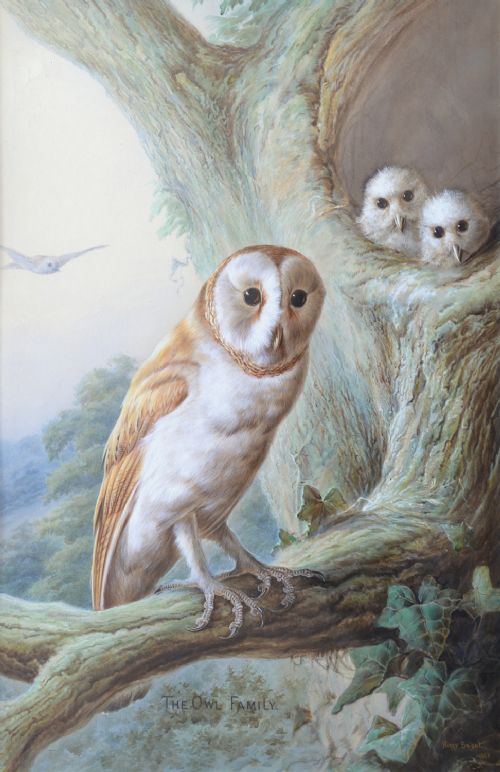
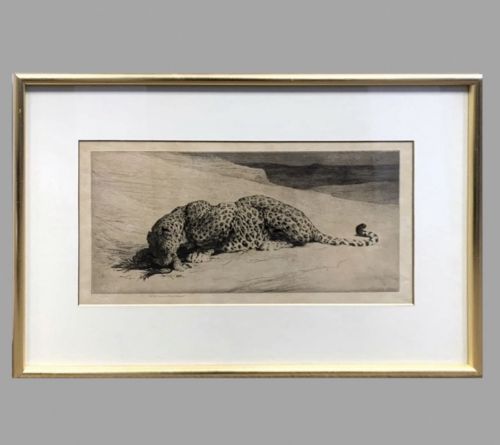
Edwardian wildlife artwork captures majestic big cats and dramatic hunting scenes through delicate etchings and rich oil paintings.
Edwardian Wildlife Artwork
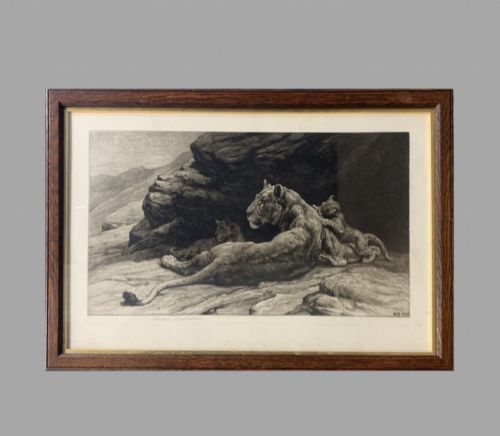
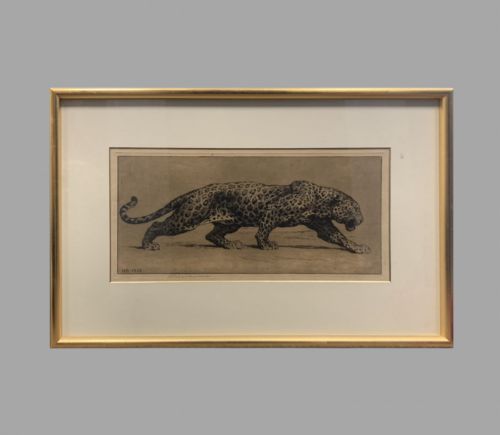
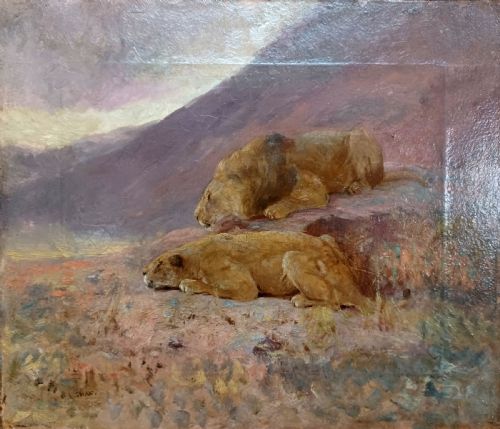
Edwardian wildlife artwork focuses predominantly on powerful big cats and predatory scenes rendered with intense detail. Buyers looking at this phrase will encounter striking depictions of leopards, lions, and tigers captured in wild habitats.
The selections on this page span the Edwardian era alongside late Victorian and early twentieth-century pieces. Etchings on paper or vellum and oil paintings on canvas form the core of these offerings.
Framed prints and wall art complete the range, offering collectors various ways to display these traditional animalier subjects. Each piece reflects the period fascination with natural history and powerful wildlife.
Materials and Techniques
Artists created these works using traditional mediums such as oil paint on canvas and fine ink on paper or vellum. Etchings were often produced as signed artist proofs in limited editions, demonstrating meticulous printmaking skills.
Frames commonly utilise wood and gilt wood to complement the visual weight of the paintings and prints. Glass protects fragile paper and vellum surfaces from environmental damage over time.
Edwardian Wildlife Artwork Retail Price Guide 2026
Typical asking prices for edwardian wildlife artwork among the pieces listed under this phrase on Sellingantiques today, from the lower quarter to the upper quarter. They describe what is for sale here now, not the wider market.
Several leopards on this page share space with surprisingly delicate elements like jungle fowl, peacocks, and tree trunks.
Assessing Quality in Animalier Art
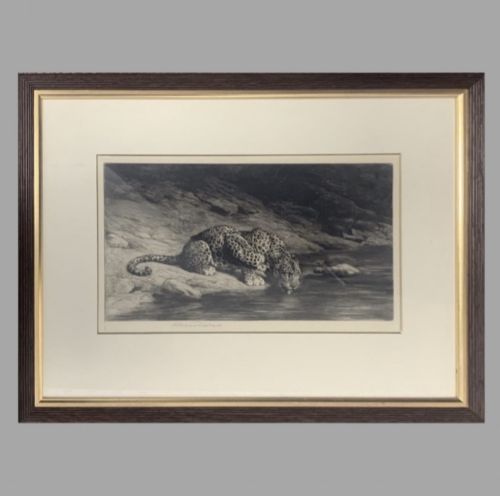
Quality rests in the precision of the draughtsmanship and the intensity with which the animal's musculature and movement are conveyed. Superior works capture tension and atmosphere, particularly in predator scenes like stalking lions or drinking leopards.
The medium itself dictates much of the character, with signed artist proof etchings offering exceptional linear detail compared to standard reproductions. The integrity of the original paper, vellum, or canvas also shapes the overall standard.
Herbert Dicksee·Cuthbert Edmund Swan·Godfrey Douglas Giles
The Edwardian Wildlife Artwork Glossary
- Etching
- A printmaking process where lines are bitten into a metal plate with acid before being inked and pressed onto paper. This technique allows for remarkable fine detail in wildlife hair and foliage.
- Vellum
- A fine parchment prepared from calfskin used as a durable drawing or printing surface. It imparts a distinct smooth texture to early twentieth-century artist proofs.
- Artist Proof
- A trial print pulled to allow the creator to check the state of the plate before the main edition is printed. These carry particular weight among collectors for their sharpness.
- Animalier
- A term describing artists who specialised in the realistic portrayal of animals. The style flourished through the nineteenth and early twentieth centuries.
- Gilt Wood
- Wood that has been treated with a thin layer of gold leaf or gilt paint. It frames many traditional paintings and prints from this period.
Edwardian Wildlife Artwork: Frequently Asked Questions
What subjects feature in these artworks?
The works primarily depict large predators such as leopards, lions, tigers, and wild boars in dramatic natural settings. Scenes range from stalking prey at dusk to leopards drinking from water sources.
Artists focused heavily on capturing the raw power and realistic anatomy of these animals rather than domestic pets.
Are these pieces original prints?
Many of the works listed are signed artist proof etchings produced in limited editions during the early twentieth century. These represent direct pulls overseen or created by the artist themselves.
Other examples include original oil paintings executed on canvas by established painters of the era.
How should I care for paper and vellum pieces?
Works on paper and vellum require protection from direct sunlight to prevent fading of the delicate ink and discoloration of the background. Keeping them behind protective glass in stable humidity conditions safeguards the material.
Avoid hanging these pieces in damp environments like kitchens or unheated spaces.
What periods do these artworks cover?
The inventory spans the late nineteenth century through to the early 1920s, capturing the transition from Victorian animalier traditions into the Edwardian era. This period produced some of the finest detailed animal etching and painting.
Dates typically reflect either the execution year of the painting or the print release date.