


Four Oak Dining Chairs
Four oak dining chairs gather people around a table with solid presence, offering sturdy timbers and varied regional character.
Four Oak Dining Chairs
Four oak dining chairs bring together sets of sturdy seating spanning centuries of domestic life. Buyers searching this phrase encounter matched groupings built for daily use around the dining table.
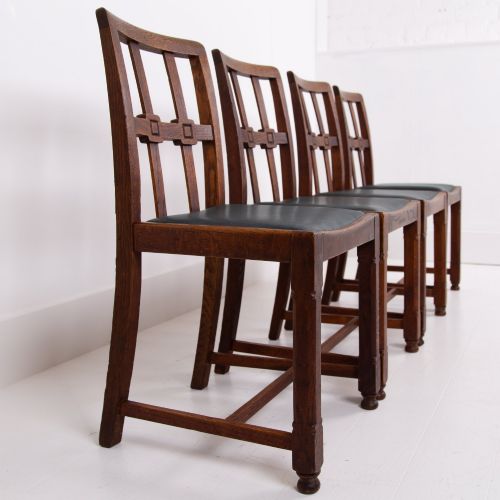
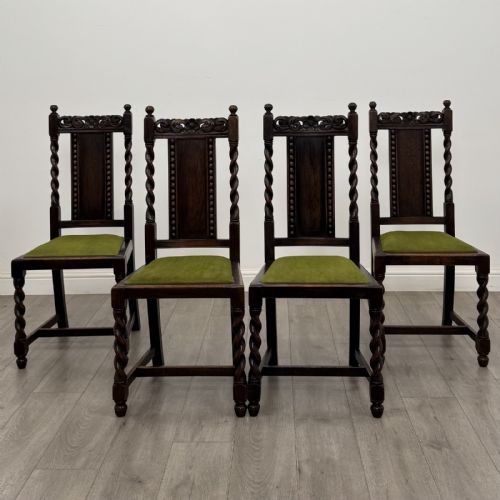
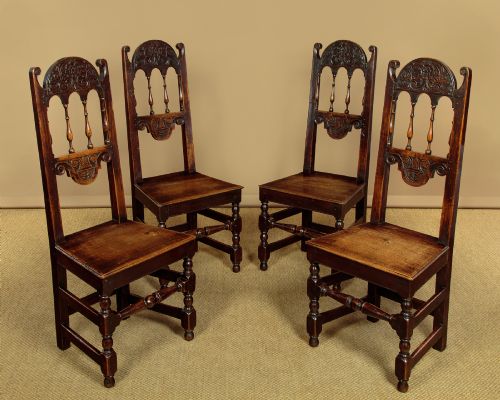
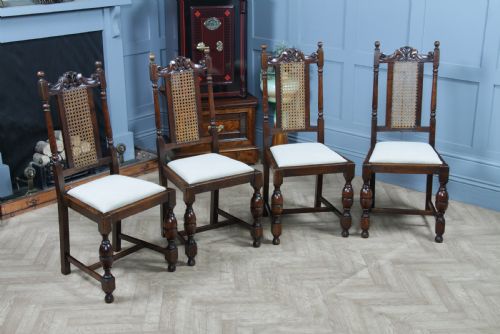
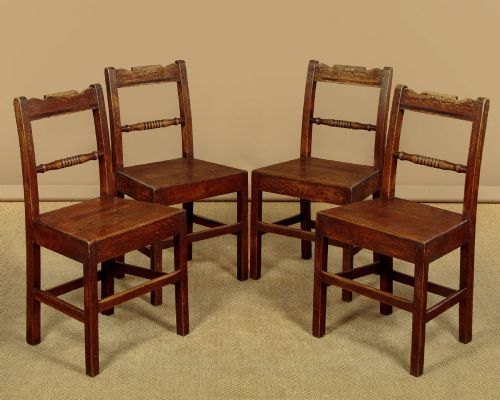
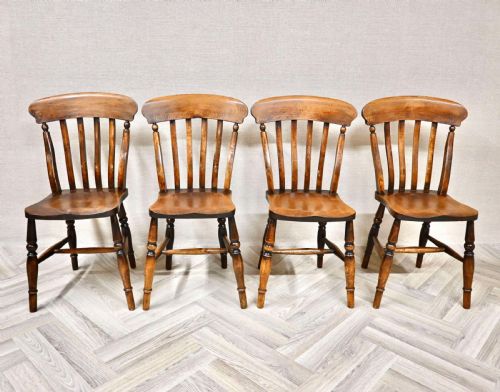
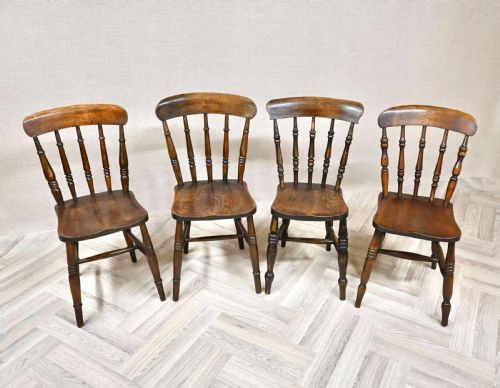
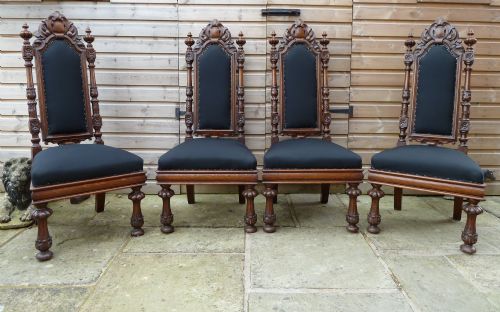
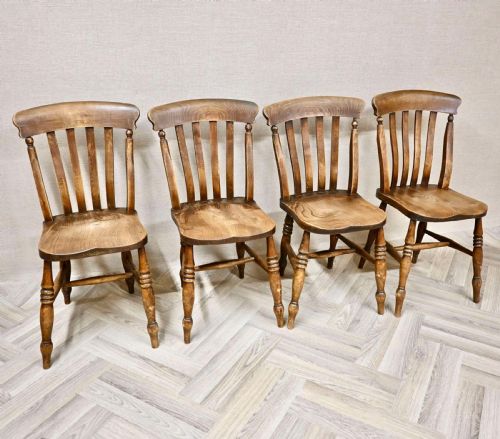
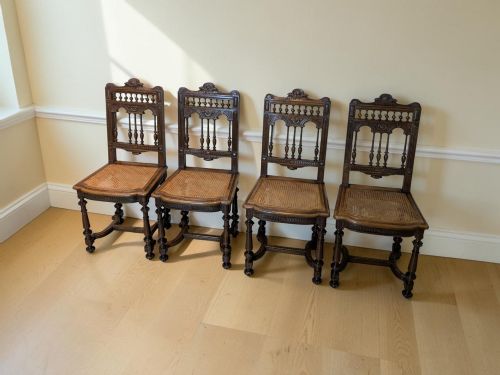
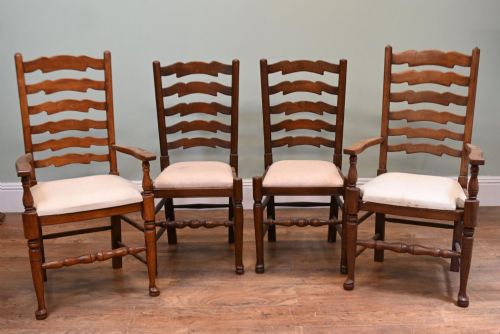
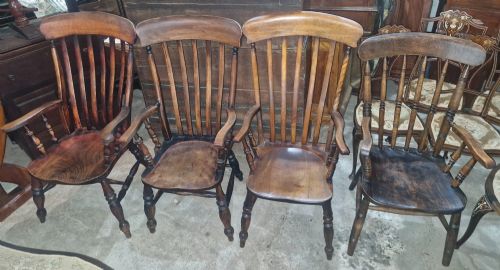
The selection ranges from robust country farmhouse Windsors to formal Victorian carved designs and revived 17th-century styles. Regional vernacular pieces sit alongside refined highback and ladderback variations.
Most entries comprise matched sets of four, emerging from periods including the Victorian era, the Edwardian years, and earlier centuries. Oak forms the primary timber across these diverse domestic seating forms.
How they were made
Craftsmen utilised solid oak alongside supporting timbers like elm, beech, and ash for structural integrity. Woodturning, pegged joints, and steam-bending shaped the rigid frames and spindles.
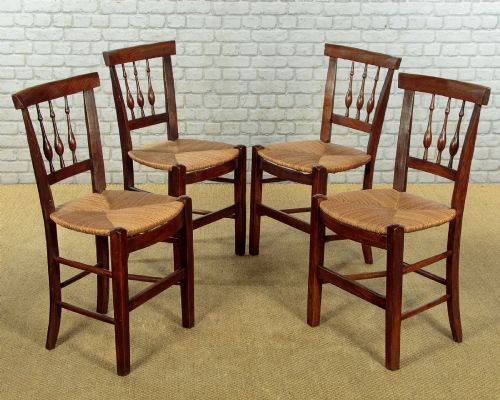
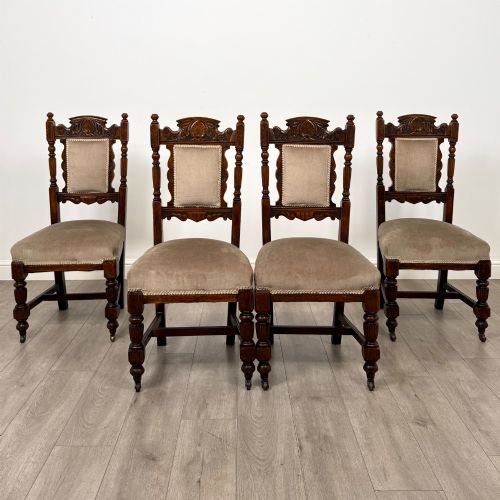
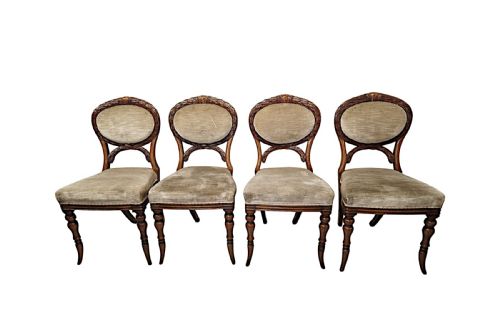
Seats incorporate carved solid wood planks, woven rush, cane, or padded leather and fabric inserts. Decorative elements rely on hand-carved top rails, barley twist supports, and Gothic tracery.
Four Oak Dining Chairs Retail Price Guide 2026
Typical asking prices for four oak dining chairs among the pieces listed under this phrase on Sellingantiques today, from the lower quarter to the upper quarter. They describe what is for sale here now, not the wider market.
Listings feature oak alongside elm, beech, and ash timbers across Victorian, Edwardian, and 17th-century periods.
What varies in quality
The degree of hand-carving and the crispness of moulded details distinguish standard utility seating from finer workshop productions. Substantial timber thickness and tight frame joinery elevate the structural longevity.
Original surface patination and authentic period upholstery methods contribute significantly to historical integrity. Sets retaining matching original components demonstrate superior desirability over assembled harlequin groupings.
Strahan of Dublin·Shapland and Petter
The Four Oak Dining Chairs Glossary
- Windsor chair
- A wooden seating form featuring spindles inserted into a solid saddle-shaped seat. These country chairs rely on turned legs and a distinct bow or lath back.
- Ladderback
- A chair style characterised by horizontal wooden slats or rails stacked vertically in the backrest. The design dates back centuries and remains common in vernacular farmhouse furniture.
- Barley twist
- A decorative woodworking technique where timber is turned to resemble a twisted rope or column. This profile appears frequently on the legs and stretchers of revival and Edwardian seating.
- Backstool
- An early form of upholstered or wooden seat without arms, serving as a precursor to the modern dining chair. These pieces often feature high upright backs linked by low stretchers.
- Harlequin set
- A collection of seating pieces that share general stylistic traits rather than originating from a single matched workshop batch. Minor variations in turning or carving distinguish the individual items.
Four Oak Dining Chairs: Frequently Asked Questions
Are these seats comfortable for long dinners?
Many examples feature contoured wooden saddle seats or padded leather inserts designed to support extended sitting. Highback and upholstered variants offer additional back support during meals.
Adding loose cushions can soften firmer wooden plank seats on older farmhouse designs. The upright posture encouraged by traditional dining chairs suits formal dining.
How do I care for antique oak timber?
Maintain the wood by applying natural beeswax periodically to nourish the dry grain and protect the surface. Avoid placing chairs near direct heat sources or strong sunlight to prevent timber splitting.
Regular dusting with a soft dry cloth prevents dirt accumulation in carved details and joints. Wipe spills promptly using a slightly damp cloth.
Can I mix these with a modern table?
Combining antique timber seating with contemporary tables creates a striking contrast of textures and eras. The natural grain of oak bridges old and new interior schemes successfully.
Ensure seat heights align comfortably with the underside clearance of the table. A matched set of four provides visual balance around most standard dining tables.
How do I distinguish revival styles from original antiques?
Revival pieces from the Edwardian period or the 1920s often utilise machine-assisted turning alongside period decorative motifs. Tool marks, timber shrinkage, and wear patterns reveal the true age of earlier pieces.
Construction methods and hardware types offer clues regarding manufacturing dates. Examining the underside of the seat often provides evidence of historical age.