





Forest Landscape Painting
A forest landscape painting brings the quiet depth of ancient woodland and sunlit timber directly onto an interior wall.
Forest Landscape Painting
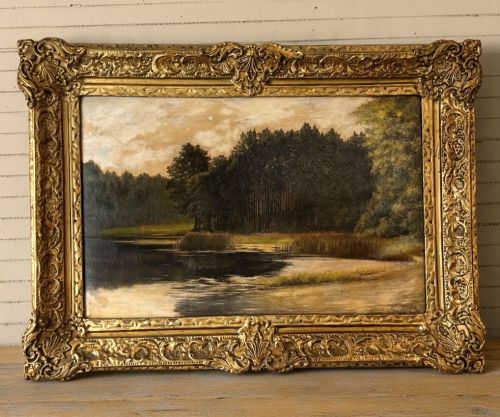
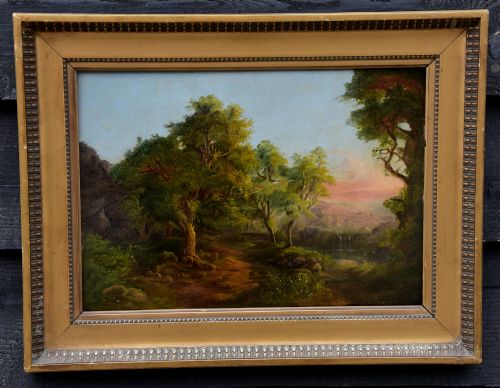
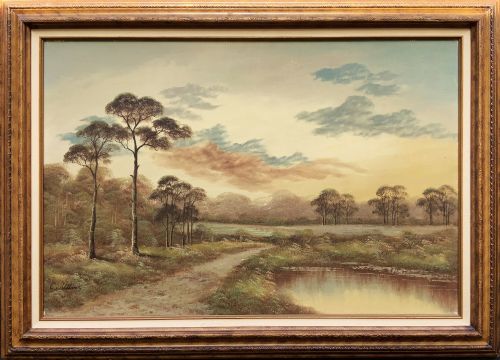
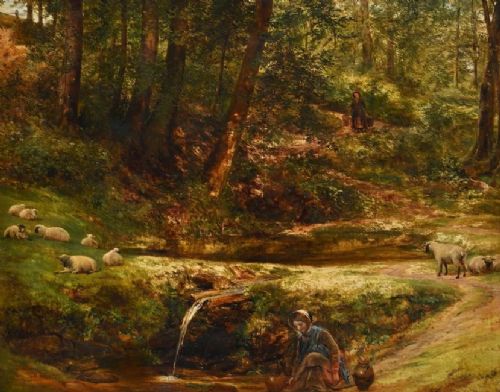
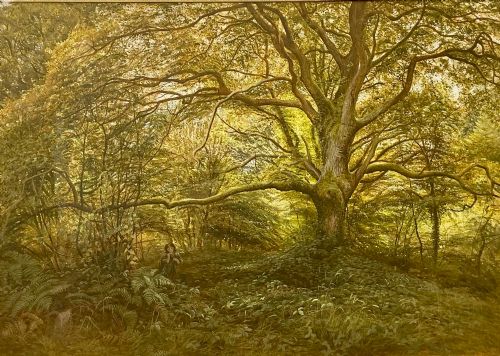
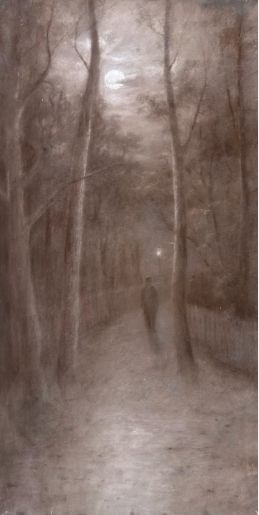
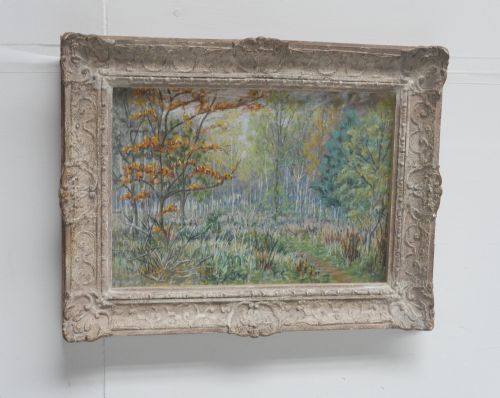
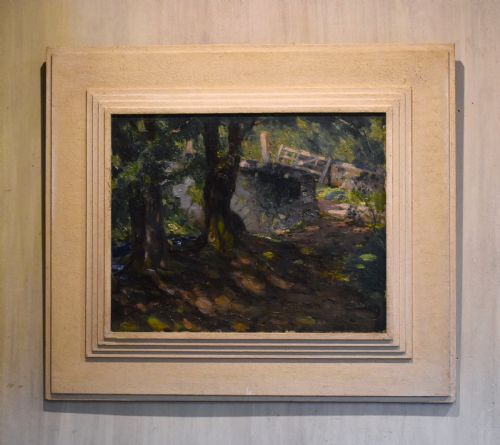
A forest landscape painting captures wooded terrain, leafy glades, and shaded tree lines across various historical periods. The works seen here range from nineteenth-century watercolours to mid-century oil compositions.
Buyers frequently encounter framed watercolours on paper alongside traditional oil paintings executed on canvas or wood panels. These pieces span British Impressionism, Victorian naturalism, and twentieth-century tonalist styles.
Materials and Techniques
Artists utilise oil paint and watercolour as primary mediums, applying pigment to stretched canvas, heavy paper, wooden panels, or board supports. Oil paint allows for rich impasto textures and layered depth, whereas watercolour offers translucent washes.
Many works incorporate preliminary charcoal or ink drawing beneath the paint layers to establish composition and tonal balance. Wooden panels and canvas grounds provide stable surfaces for enduring brushwork.
Forest Landscape Painting Retail Price Guide 2026
Typical asking prices for forest landscape painting among the pieces listed under this phrase on Sellingantiques today, from the lower quarter to the upper quarter. They describe what is for sale here now, not the wider market.
Artists frequently stepped into chilly winter woods or damp bluebell glades just to capture the exact rustle of leaves.
Judging Quality and Execution
Quality rests upon the artist's handling of light, shadow, and atmospheric perspective within the woodland canopy. Superior works demonstrate deliberate brush control that renders foliage and bark with convincing volume.
Compositional balance and depth separate accomplished pieces from simpler decorative studies. The most satisfying examples convey the specific mood of a season or time of day through colour harmony.
William H Myers·Richard Redgrave·Thomas Bromley Blacklock·James Proudfoot·Jan Evert Morel·Rowland Henry Hill·Ernest Higgins Rigg·Frederick Golden Short·Augustus William Enness·Charles Branwhite·Hans Kappel·William Mellor·Henri Harpignies
The Forest Landscape Painting Glossary
- Impasto
- Paint applied thickly to a canvas or panel, standing visibly above the surface. This technique builds physical texture in foliage and tree trunks.
- Tonalism
- An artistic style that prioritises atmospheric moods and shadow over sharp detail. Works in this manner often utilise subdued palettes.
- Watercolour
- A paint consisting of pigment suspended in a water-based solution, typically applied to paper. It creates luminous and translucent woodland scenes.
- Wood Panel
- A rigid wooden support used by artists in place of canvas. These surfaces provide a firm foundation for detailed brushwork.
Forest Landscape Painting: Frequently Asked Questions
What periods do these paintings come from?
The selection includes works from the Victorian era, the early twentieth century, and mid-century modern periods. Artists recorded woodland scenes using traditional realism, impressionism, and tonalism.
Dates span across the nineteenth and twentieth centuries, reflecting changing aesthetic approaches to natural subjects.
How should I hang a forest painting?
Select a wall with balanced ambient lighting that avoids direct, harsh sunlight to protect pigments over time. Pairing the frame with traditional wooden furniture complements the earthy tones of the canvas.
Ensure the hanging height aligns comfortably with eye level for seated or standing viewpoints.
Are these works painted on canvas?
Many pieces utilise oil paint on stretched canvas or wooden boards, while others consist of watercolours on paper. Each support reflects the specific preferences of the period and the artist.
Examining the reverse reveals stretcher frames, panels, or paper margins that indicate the construction method.
How do I care for an antique painting?
Keep paintings away from damp environments and extreme temperature fluctuations to prevent warping of wooden panels and canvas degradation. Dust surfaces gently with a soft, dry brush without applying cleaning solutions.
Consult a professional conservator if the paint layer requires structural attention or cleaning.