





Footing Glass Bowl
These pieces take the form of a footing glass bowl, spanning drinking vessels with raised bases to large pedestal fruit bowls shaped by centuries of glassmaking.
Footing Glass Bowl
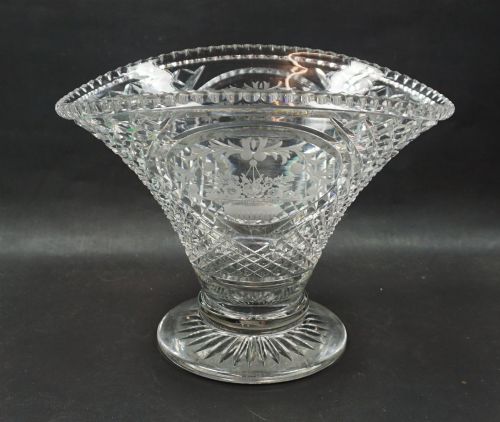
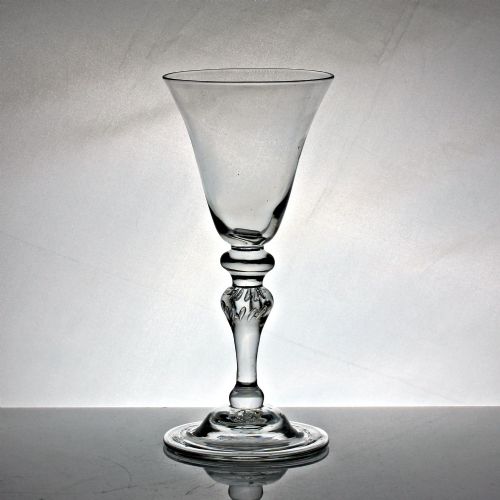
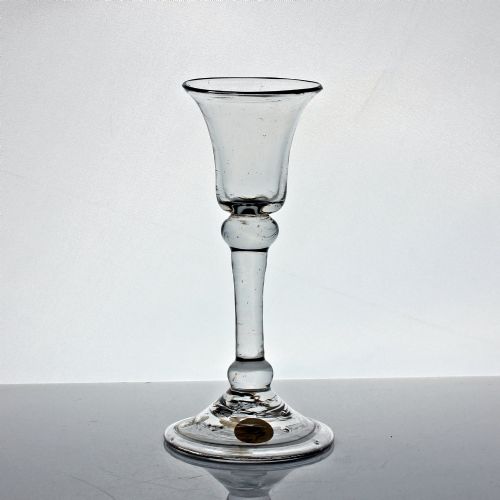
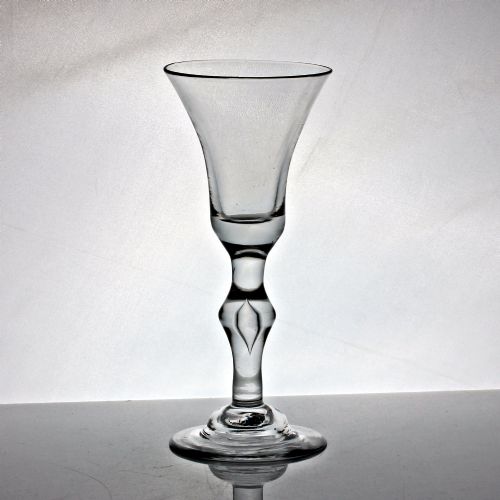
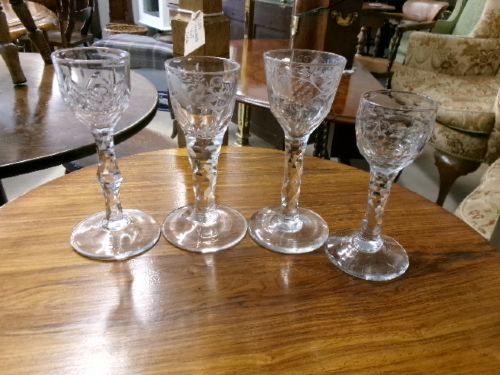
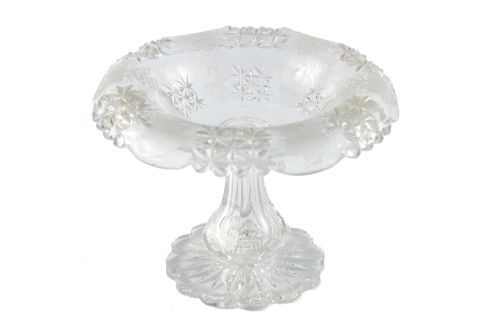
When searching for a footing glass bowl, a buyer encounters a diverse range of forms, from eighteenth-century baluster wine glasses with folded feet to nineteenth-century cut crystal tazzas and large pedestal comports. The selection bridges drinking vessels featuring distinct bases and substantial decorative bowls designed for fruit or centrepiece display.
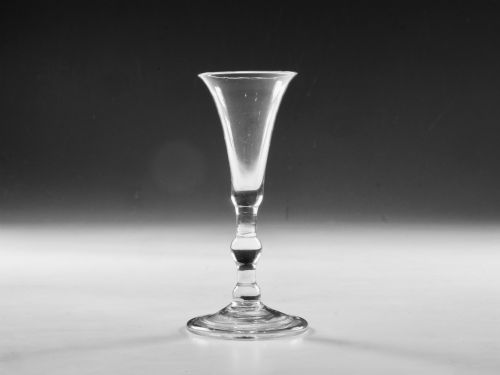
The objects stem from several distinct eras, bringing together Georgian tavern glasses, Victorian etched lead crystal, and later Art Nouveau or Art Deco creations. Drinking vessels like sweetmeat glasses and gin glasses sit alongside table centrepieces and tazzas, united by their prominent raised or folded bases.
Origins span English production alongside continental makers from Bohemia and France, utilising clear, coloured, and overlaid glass. The variety encompasses practical tableware and decorative display items intended to sit proudly on dining tables and sideboards.
How they were made
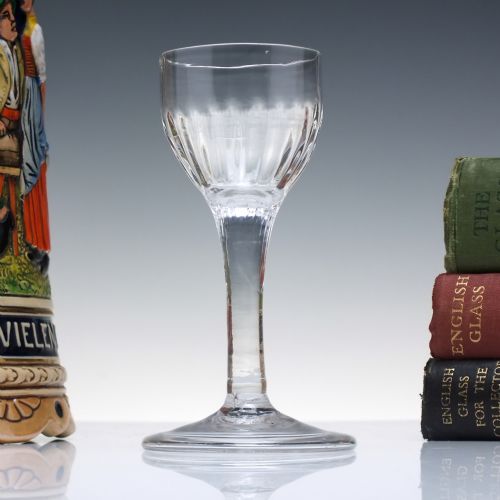
Makers shaped these items through hand blowing, moulding, and cutting, transforming molten materials into lead crystal, clear glass, and cobalt glass. Craftsmen applied techniques such as facet cutting, wheel engraving, and hobnail patterning to catch the light on bowls and stems alike.
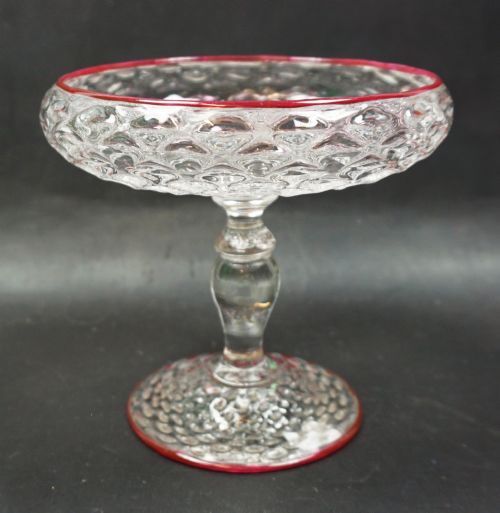
Decoration often involved intricate finishing touches, including enamel painting, gilding, and red or yellow glass overlays that created striking contrasts when cut back to the clear layer. Bases were formed with folded rims, domed profiles, or applied ball feet to anchor the vessels securely.
Footing Glass Bowl Retail Price Guide 2026
Typical asking prices for footing glass bowl among the pieces listed under this phrase on Sellingantiques today, from the lower quarter to the upper quarter. They describe what is for sale here now, not the wider market.
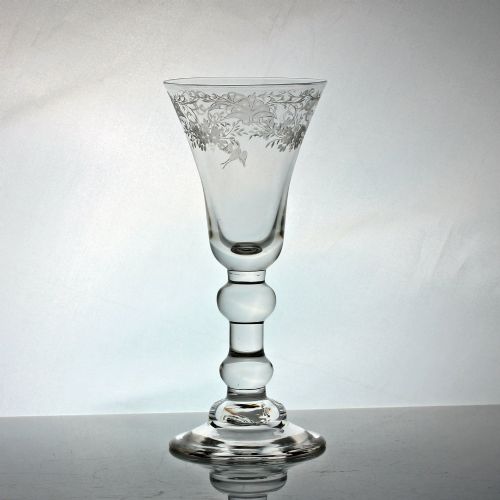
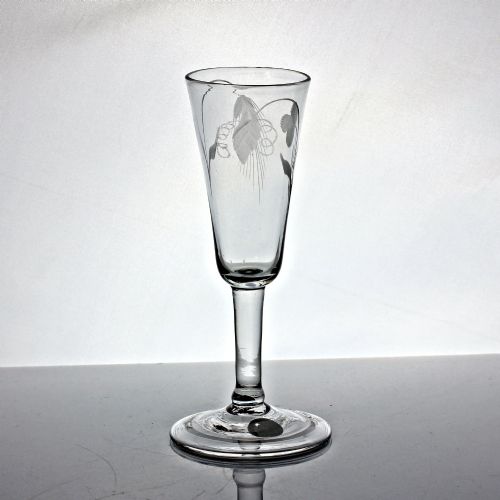
Hummingbirds and oversized poppy heads flutter across these glass surfaces, refusing to stay contained within botanical textbooks.
What varies in quality
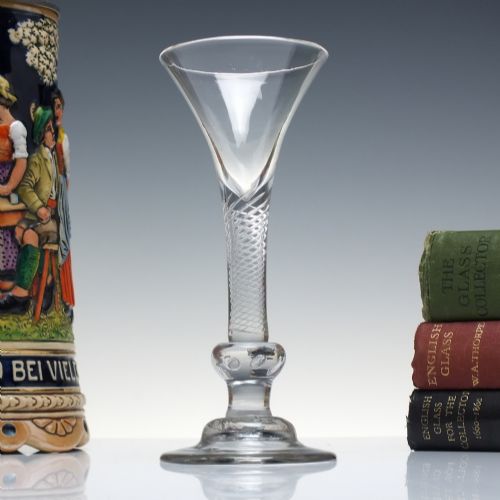
Quality rests in the clarity and weight of the lead glass, alongside the crispness of wheel engraving or deep-relief cutting on the bowl and stem. Finer items display balanced proportions, skilful manipulation of air twists or baluster nodes, and precise application of enamel and gilding.
The handling of colour overlays and the depth of hand-cut facets distinguish standard utility glassware from exceptional display pieces. Execution of delicate details, from engraved hops and barley to intricate floral motifs, separates master workshops from routine production.
St Louis glassworks·Stuart for Liberty·R. Lalique·Makeig-Jones Wedgwood Lustre·Loetz·François-Eugène Rousseau·Baccarat
The Footing Glass Bowl Glossary
- Tazza
- A shallow bowl or dish mounted on a stem and foot, frequently utilised for serving fruit or sweets on formal dining tables. These elevated presentation pieces often feature elaborate cut glass or enamelled decoration.
- Baluster
- A swelling, vase-shaped form found on the stems of drinking glasses and goblets, typical of eighteenth-century English glassmaking. This stout profile adds considerable weight and tactile presence to the vessel.
- Folded foot
- A base formed by doubling the hot glass edge back underneath itself to create a thickened, rounded rim. This technique strengthens the resting point of the glass and prevents chipping.
- Sweetmeat glass
- A small, stemmed vessel designed to hold confectionary, sugar plums, or preserved fruits during dessert courses. They often display wide bowls and decorative air-twist or baluster stems.
- Comport
- A large pedestal bowl or dish raised on a high foot, intended for central table display. Victorian examples frequently employ heavy moulded lead crystal and deep hobnail cutting.
Footing Glass Bowl: Frequently Asked Questions
What is a footing glass bowl?
A footing glass bowl refers to vessels featuring a distinct base or stem, encompassing both stemmed drinking glasses and pedestal presentation bowls.
These pieces range from eighteenth-century baluster wine glasses to nineteenth-century cut crystal comports and tazzy stands.
How were eighteenth-century glasses used?
Earlier examples served specific drinking functions at the table, handling wine, ale, gin, or sweetmeats during formal meals.
Guests appreciated the substantial feel of heavy lead crystal stems and folded feet during dining rituals.
How do I identify a tazza?
A tazza is characterised by a shallow bowl supported entirely by a central stem and a wide flat foot.
They were designed primarily to present fruit, cakes, or sweet confections in the centre of the table.
What periods do these bowls span?
The selection covers eighteenth-century Georgian production, Victorian heavy cut crystal, Edwardian baskets, and Art Nouveau or Art Deco pieces.
Each era brought distinct aesthetic priorities, moving from heavy baluster drinking stems to vibrant coloured glass and overlaid crystal.