

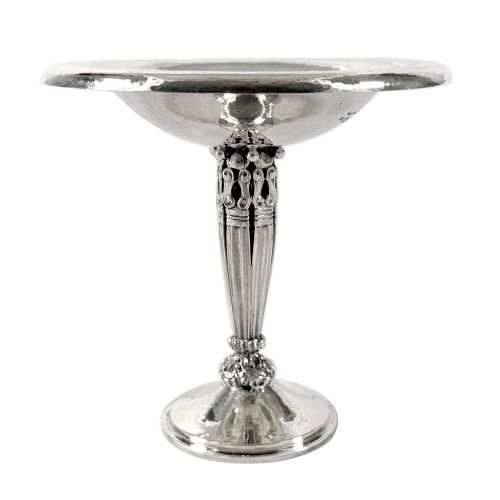

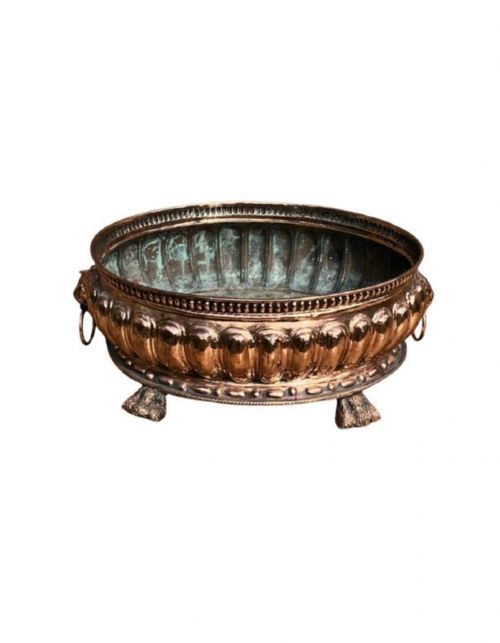


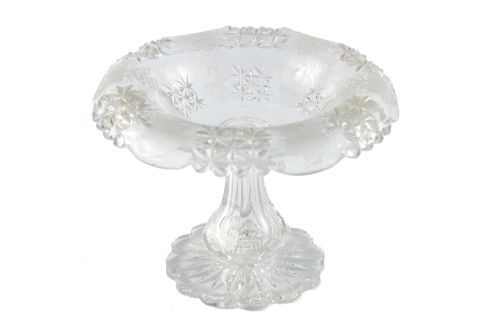


Footed Table Bowl
These footed table bowl examples are elevated vessels crafted for display and service, bringing classic proportion and utility to any surface.
Footed Table Bowl
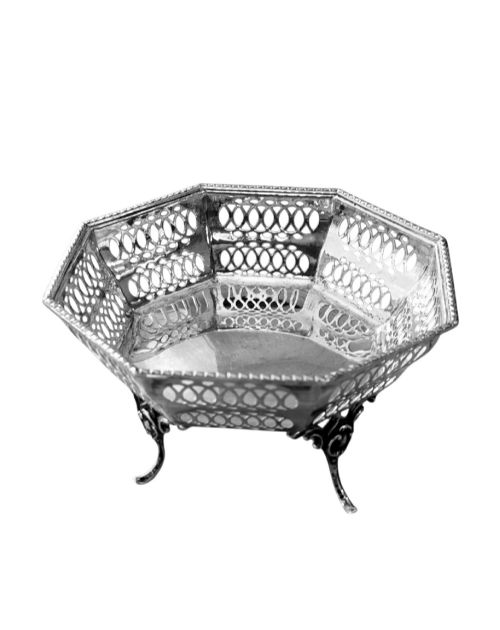
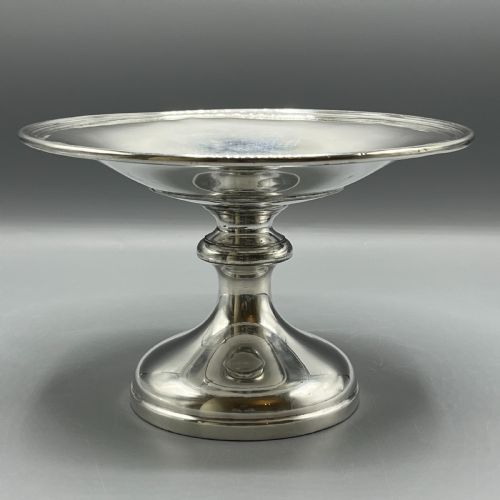
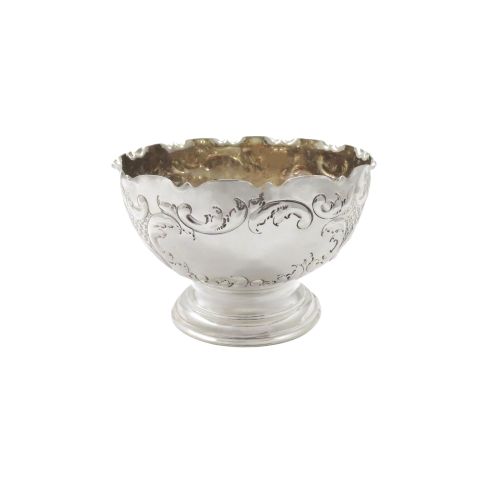
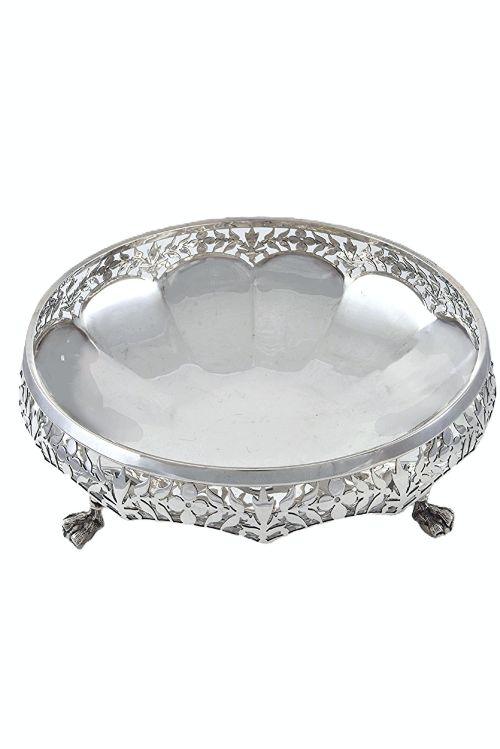
A footed table bowl sits on a raised base, lifting decorative fruit, flowers, or sweetmeats above the surface of the dining or display furniture. These pieces span Victorian, Edwardian, and Art Deco eras, presenting forms that range from formal centrepieces to delicate bonbon dishes and tazzas.
The objects take diverse shapes, including pierced silver baskets, crystal dishes with enamel decoration, and pedestal comports. Originating from workshops across Britain, France, Italy, and Spain, they reflect both domestic dining traditions and formal interior display.
Materials and Construction
Makers utilised sterling silver, silver plate, brass, copper, and bronze for the structural frames and pedestals of these bowls. Metalwork techniques involve casting, piercing, and hammering to achieve raised decorative profiles and stable bases.
Glass components rely on heavy cut glass and crystal, sometimes paired with coloured glass liners or finished with gold enamel. Porcelain inserts and bronze mounts also appear, combining ceramic bodies with metal supports.
Footed Table Bowl Retail Price Guide 2026
Typical asking prices for footed table bowl among the pieces listed under this phrase on Sellingantiques today, from the lower quarter to the upper quarter. They describe what is for sale here now, not the wider market.
Listings feature items from the Georgian period through the 1960s, encompassing sterling silver, crystal, copper, and porcelain.
Assessing Quality and Execution
Quality rests in the weight of the metal and the precision of the piercing or casting work on the foot and rim. Thicker gauge silver and well-defined chased motifs distinguish finer commissions from standard production wares.
The integration of materials dictates distinction, particularly in how securely glass liners fit within metal frames or how cleanly crystal is cut and polished. Maker marks and clear hallmarking further anchor the provenance and standard of the piece.
Synyer & Beddoes·Charles Boyton·St Louis glassworks·Lerolle Fres
The Footed Table Bowl Glossary
- Tazza
- A shallow bowl or dish mounted on a stem and foot, traditionally used for serving fruit or sweetmeats at the table. These pedestal vessels provide height and structural elegance to a formal dining setting.
- Bonbon dish
- A small, decorative container designed to hold sweets or chocolates. They frequently feature pierced metalwork or swing handles.
- Comport
- A large standing dish used for serving fruit or desserts. They share similarities with centrepieces but typically emphasise service over pure display.
- Jardiniere
- An ornamental pot or stand designed to hold live plants or flowers. They often incorporate waterproof metal or ceramic liners to protect the exterior vessel.
- Hallmark
- An official stamp applied to precious metals indicating purity, maker, and assay office. These marks provide reliable clues to the date and origin of silver items.
Footed Table Bowl: Frequently Asked Questions
What is a footed table bowl used for?
These elevated vessels serve multiple purposes in traditional and contemporary settings, functioning as fruit holders, floral centrepieces, or containers for sweets. Their raised profile lifts contents into view.
Historically, they occupied the centre of dining tables during formal meals, acting as focal points for display. Today, collectors utilise them similarly or place them on sideboards and consoles as decorative accents.
How do I identify the period of a silver bowl?
Dating silver relies heavily on stamped hallmarks, which record the assay office, year letter, and maker's mark. Comparing these stamps against official registers reveals the exact year of manufacture.
Stylistic cues also assist identification, as Victorian pieces often display ornate Rococo Revival motifs, while Edwardian items lean towards lighter pierced silver and Art Deco objects favour geometric lines.
Can I use antique glass bowls for serving food?
Most antique glass and crystal bowls remain entirely suitable for serving dry foods, fruit, or confectionery. Care should be taken with pieces featuring delicate enamel decoration or gilt surfaces.
Hand washing in lukewarm water preserves the integrity of older glass and metal components. Harsh detergents and modern dishwashers should be avoided to protect the finish.