


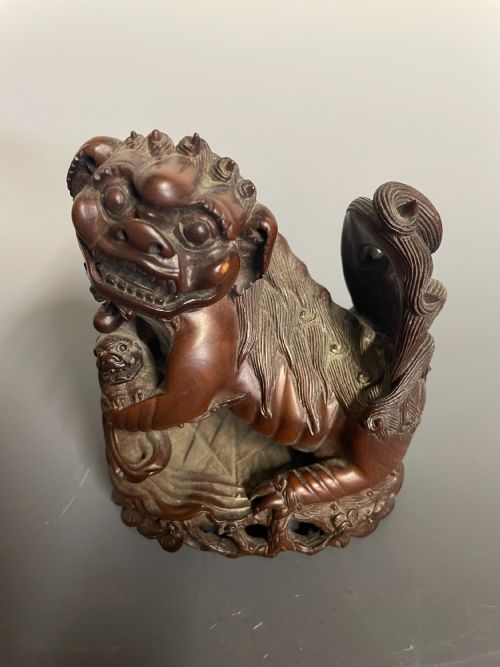


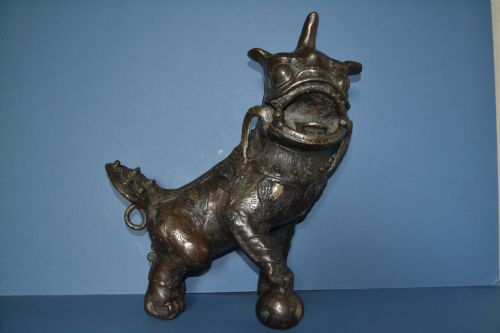


Foo Dog Sculpture
A foo dog sculpture stands as a powerful guardian figure, offering protective symbolism and traditional craftsmanship to the home.
Foo Dog Sculpture
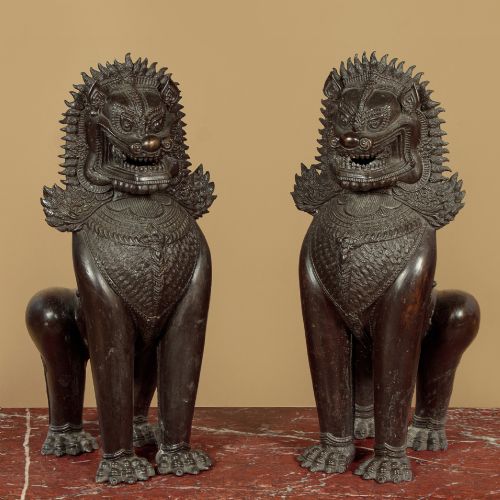
A foo dog sculpture represents traditional Buddhist guardian lions found across Asian decorative arts, often referred to as shishi or lion dogs. When seeking a foo dog sculpture, buyers encounter various traditional forms including temple guards, desk seals, and decorative figures. These pieces appear frequently in pairs designed to protect sacred spaces or domestic interiors.
The selection spans numerous periods, reaching from the Ming dynasty and 17th century through the 19th century and the Chinese Republic period. Materials range widely across bronze, carved wood, porcelain, and soapstone, reflecting distinct regional traditions. Japanese Meiji period examples and Tibetan temple bronzes form a substantial part of the available range.
How they were made
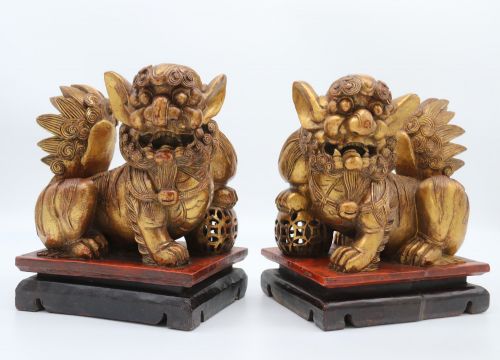
Craftsmen utilised casting and carving techniques to shape durable materials like bronze, brass, and iron into detailed temple lions. Bronze and brass figures often involve lost-wax casting methods, sometimes enhanced with gilt, enamel, or gold leaf finishes.
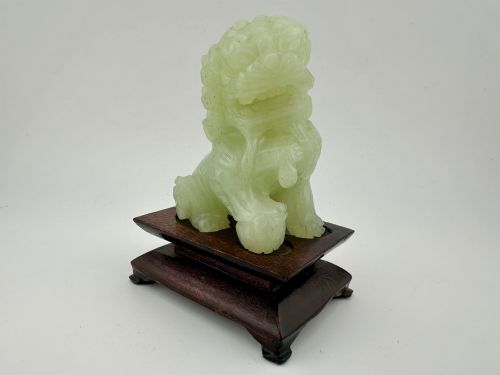
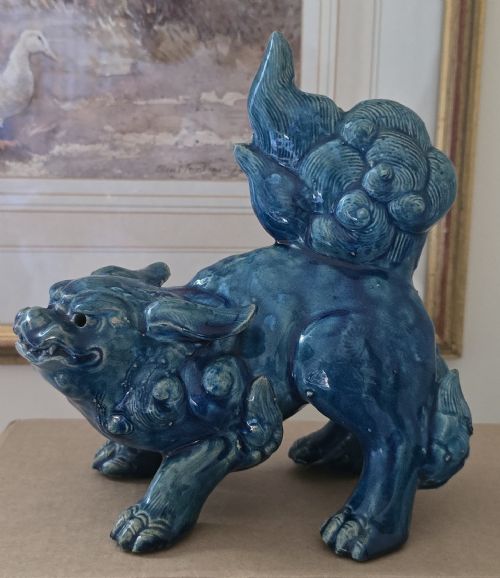
Carved pieces rely on boxwood, root wood, soapstone, and hardstone such as jade, where artisans cut intricate patterns into the natural grain. Porcelain and ceramic sculptures employ detailed glazing techniques, including turquoise and coloured enamels, before high-temperature firing.
Foo Dog Sculpture Retail Price Guide 2026
Typical asking prices for foo dog sculpture among the pieces listed under this phrase on Sellingantiques today, from the lower quarter to the upper quarter. They describe what is for sale here now, not the wider market.
Some bronze temple guardians weigh as much as thirty-five kilograms, ensuring these heavy ceramic and metal lions stay firmly put.
What varies in quality
The fidelity of the carving or casting defines the artistic merit, separating rigid commercial pieces from expressive works with dynamic musculature and detailed manes. Superior examples display confident handling of the material, whether through crisp chiselling in wood and stone or precise chasing on heavy bronze temple figures.
Surface finish and material selection also drive distinctions, as genuine fire-gilding, complex multi-coloured enamels, or high-grade jade elevate an object's status. Age and preservation play a role, with untouched surfaces and original patination commanding greater appreciation among collectors.
Unno Shomin
The Foo Dog Sculpture Glossary
- Shishi
- A traditional Japanese term for a lion dog or Buddhist lion, often depicted in porcelain, bronze, or wood. These figures serve a protective function similar to Chinese foo dogs.
- Karashishi
- Another Japanese term specifically denoting a Chinese lion, frequently rendered in Kutani or Hirado porcelain during the Edo and Meiji periods.
- Qing Dynasty
- A major historical period of Chinese rule spanning from the mid-17th to the early 20th century, noted for diverse ceramic and bronze production.
- Meiji Period
- An era in Japanese history lasting from 1868 to 1912, characterised by exceptional metalwork, ceramics, and okimono figures.
- Okimono
- A Japanese stand-alone display piece or figurine designed for interior decoration rather than practical use.
Foo Dog Sculpture: Frequently Asked Questions
What is a foo dog sculpture?
A foo dog sculpture depicts a mythical guardian lion rooted in Buddhist tradition, traditionally placed outside temples and palaces to ward off malevolent spirits.
In domestic settings, these figures serve as decorative guards, symbolising protection, prosperity, and authority.
Are foo dogs actual dogs?
Despite the common Western nickname, foo dogs represent lions rather than dogs, originating when lion imagery travelled along the Silk Road into China.
Asian artists modeled these mythical beasts on real lions they observed in art and imported skins, blending them with traditional canine traits.
Why do they come in pairs?
Traditional foo dog sculptures are created as pairs to maintain architectural and symbolic balance, with one male and one female guardian.
The male typically holds a brocade ball under his paw representing supremacy, while the female restrains a playful cub symbolising nurture.
How do I date a foo dog sculpture?
Dating relies on examining the material characteristics, stylistic traits of the dynasty or period, and surface patination such as wear on bronze or wood.
Comparing the craftsmanship against documented examples from periods like the Meiji era or Qing dynasty helps determine age and origin.
Where should I place a foo dog sculpture?
These sculptures traditionally flank entryways, mantelpieces, or desks to act as protective sentinels for the room.
When displaying a pair, traditional placement keeps the male on the right and the female on the left from the viewer's perspective.