





Folk Art Wooden Vessel
A folk art wooden vessel brings hand-carved warmth into a room through centuries of utilitarian craft.
Folk Art Wooden Vessel
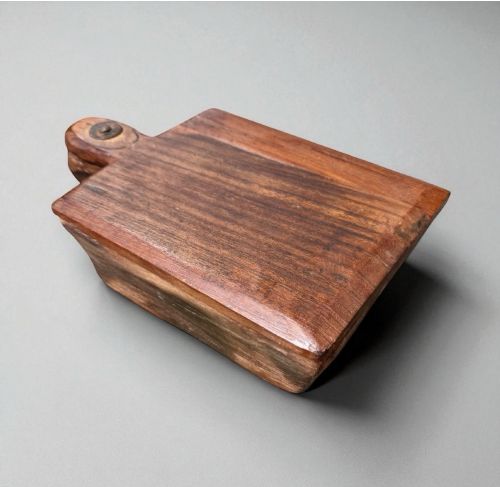
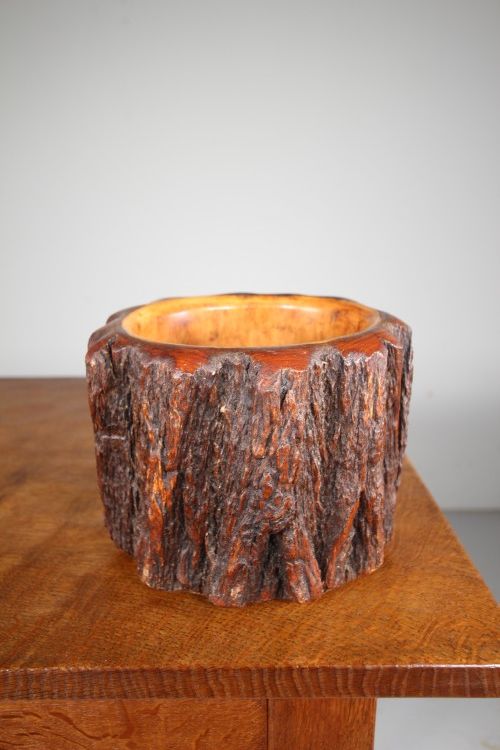
A folk art wooden vessel encompasses hand-carved bowls, dairy containers, storage barrels, and dug-out tree trunks shaped for domestic and maritime use. These pieces bridge everyday utility and vernacular sculpture, emerging from rural European and maritime traditions.
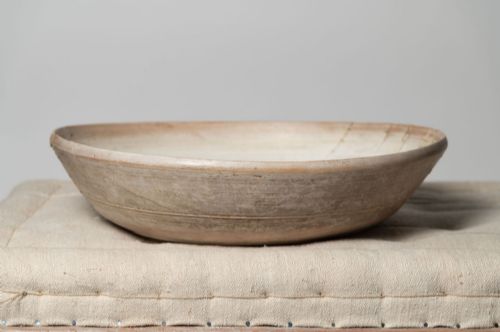
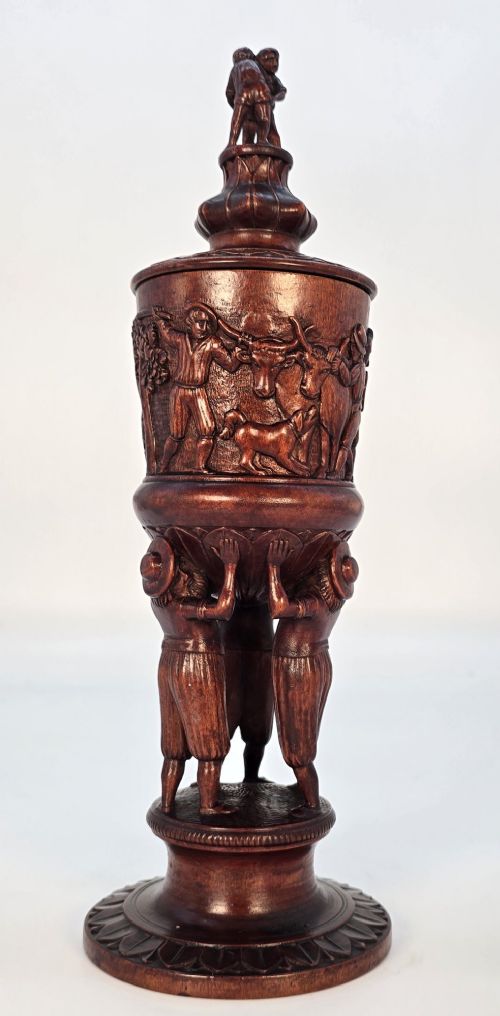
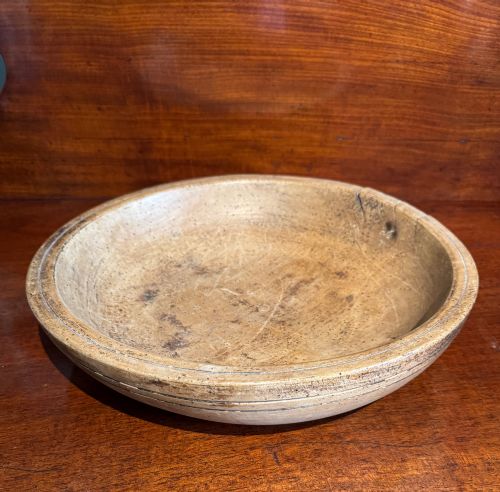
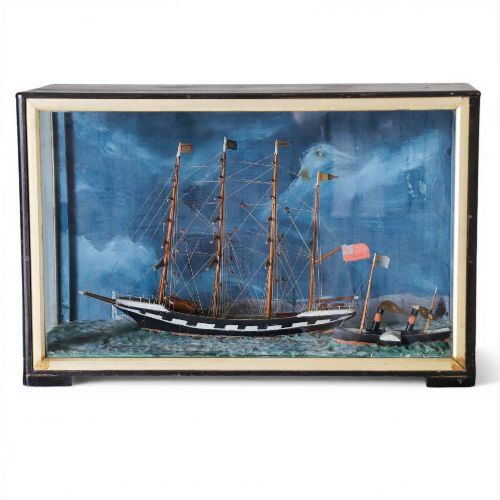
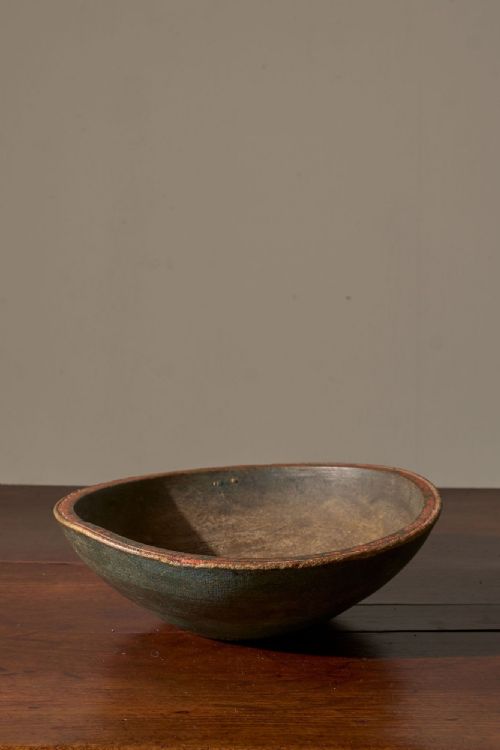
Buyers browsing this selection most frequently encounter nineteenth-century Scandinavian pine and sycamore dairy bowls, alongside Swiss carved chalices and detailed maritime dioramas. The assortment spans simple treen goblets to painted water carriers and scratch-built ship models.
Originating across England, Scandinavia, France, and Switzerland, these items reflect regional material choices like oak, pine, walnut, and sycamore. Their forms evolved to serve specific tasks, from spice storage to dairy processing and truffle collecting.
How they were made
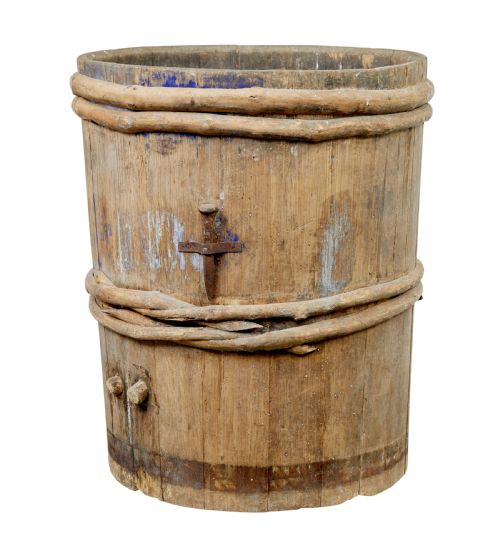
Maker techniques rely upon traditional turning, manual hollowing of dug-out tree trunks, and stave construction for barrels and containers. Craftsmen utilised green and seasoned timber, employing gouges and drawknives to shape sycamore, pine, and oak.
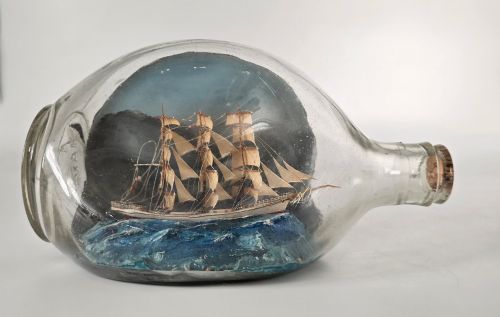
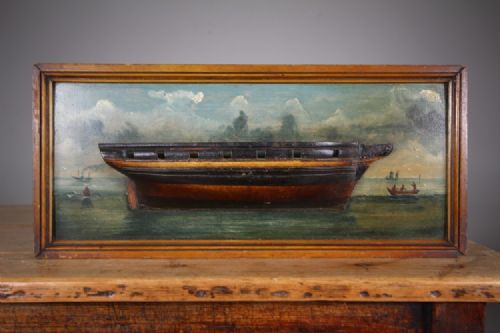
Surface treatments frequently involve historical paint layers, natural oils, and applied straw work, enhancing both the protection and the visual character of the wood. Maritime objects integrate glass, iron components, and intricate rigging models secured within confined bottle and shadow box enclosures.
Makers occasionally repurposed wine dregs and truffle findings, leaving behind containers with deeply stained histories.
What varies in quality
Quality rests upon the confidence of the carving, the integrity of the original surface, and the balance of the proportions. A vessel showing direct, unhesitating tool marks demonstrates greater sculptural merit than a mechanical reproduction.
The preservation of original painted surfaces or deep historical patina elevates a piece significantly. Structural honesty, such as uncompromised dug-out walls or intact stave construction, distinguishes finer utilitarian objects from heavily repaired examples.
The Folk Art Wooden Vessel Glossary
- Treen
- Small handmade wooden items for domestic use. These objects range from goblets to spice boxes and showcase turned or carved surfaces.
- Dug-out
- A vessel formed by hollowing out a single solid section of a tree trunk. This technique produces robust bowls, planters, and troughs.
- Diorama
- A three-dimensional scene depicting maritime subjects, ships, or coastal views. These constructions often combine carved wooden models with painted backgrounds and glass covers.
- Dairy bowl
- A wide, shallow wooden container utilised for separating cream from milk in agricultural homesteads. They are typically turned from sycamore or pine.
- Peg tankard
- A large drinking vessel featuring internal pegs to measure consumption during communal gatherings. Norwegian examples often display intricate carved animal motifs.
Folk Art Wooden Vessel: Frequently Asked Questions
How were these wooden vessels used?
These vessels served everyday domestic, agricultural, and maritime functions in past centuries. Dairy bowls processed milk, while dug-out trunks held provisions and water carriers transported liquids.
Maritime examples, such as dioramas and ship models, recorded seafaring life and celebrated naval achievements within homes and workshops.
How do I live with antique wooden vessels?
Integrating antique wooden vessels into a modern interior involves placing them on tables, shelves, or sideboards as sculptural focal points. Their organic textures complement stone, metal, and textile surfaces.
Keep them away from direct heat sources and rapid humidity changes to protect the historical wood and any original painted finishes.
How can I tell the age of wooden vessels?
Dating relies upon evaluating tool marks, timber species, construction methods, and surface patination. Hand-hewn surfaces and early lathe marks indicate nineteenth-century or earlier origins.
Stylistic cues, such as regional Scandinavian paint decoration or specific maritime rigging details, help narrow the period of manufacture alongside documentary evidence.