


Folk Art Wooden Figurine
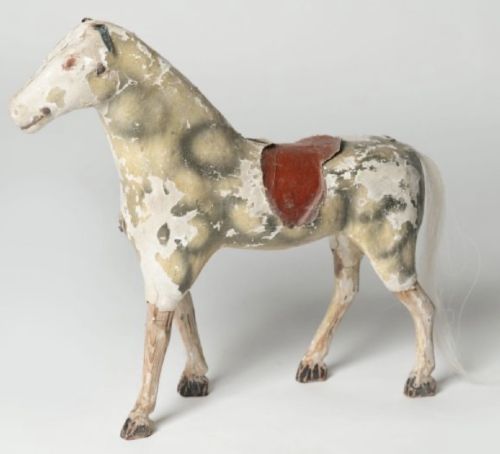
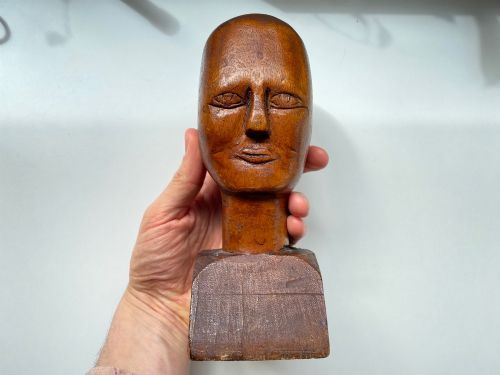
When you handle a folk art wooden figurine, you hold vernacular sculpture carved by hand outside academy traditions, shaped by regional hands across centuries.
Folk Art Wooden Figurine
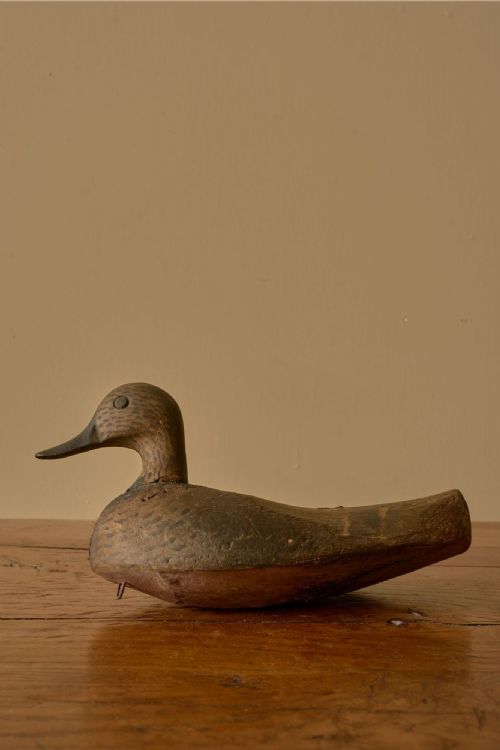
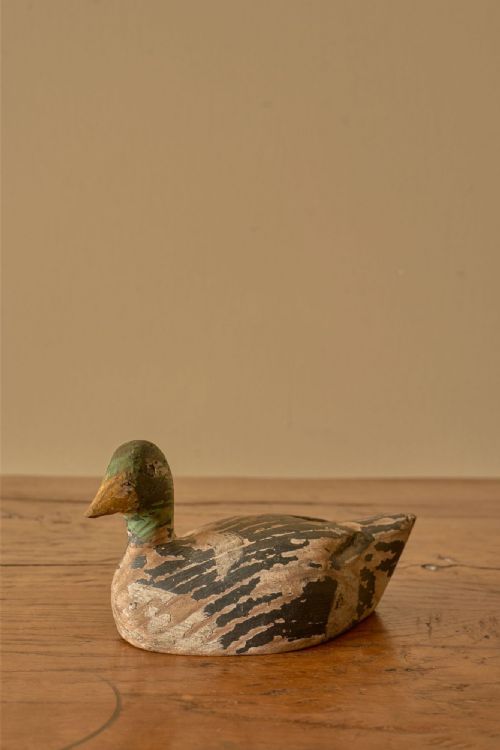
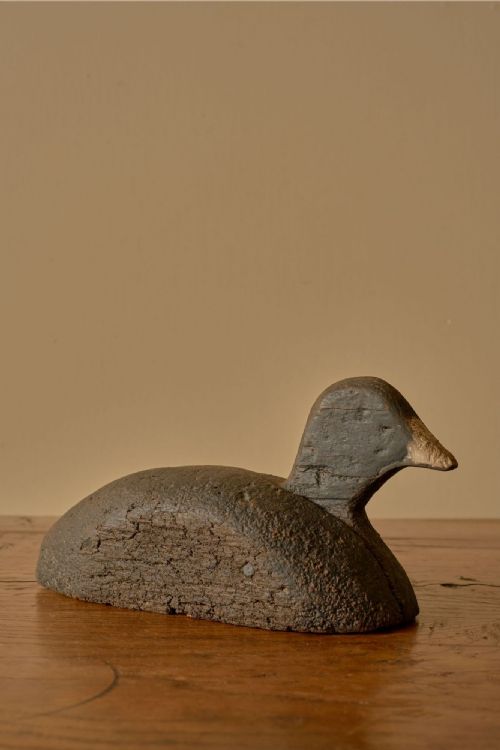
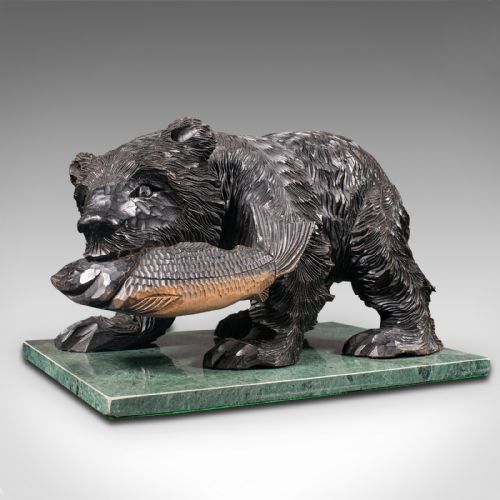
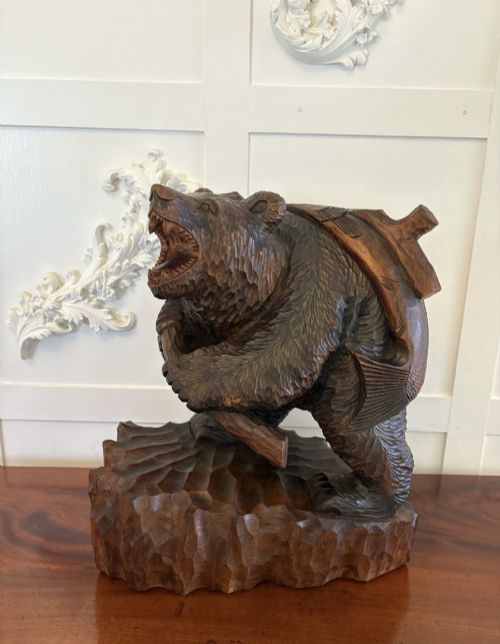
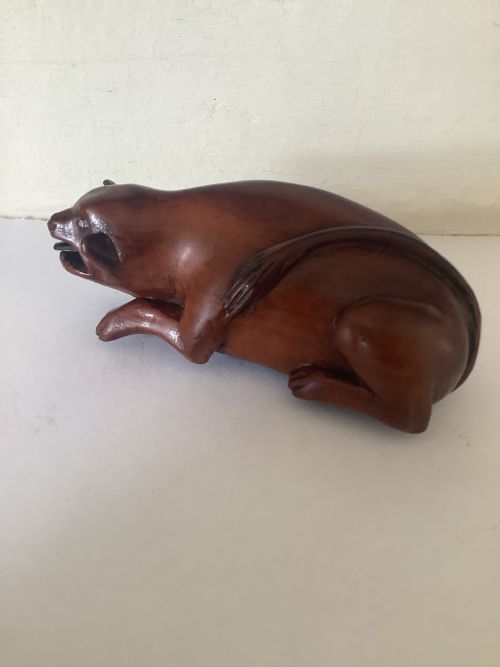
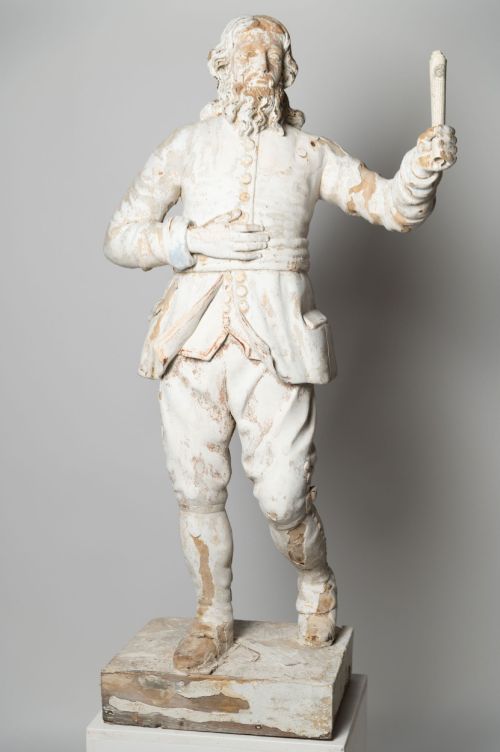
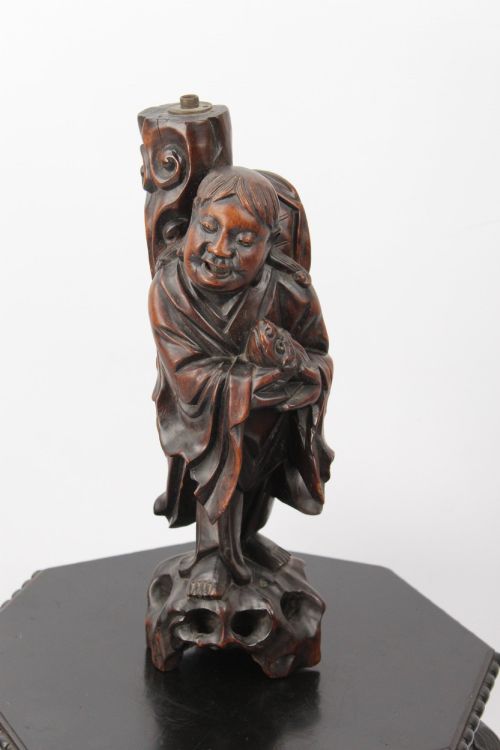
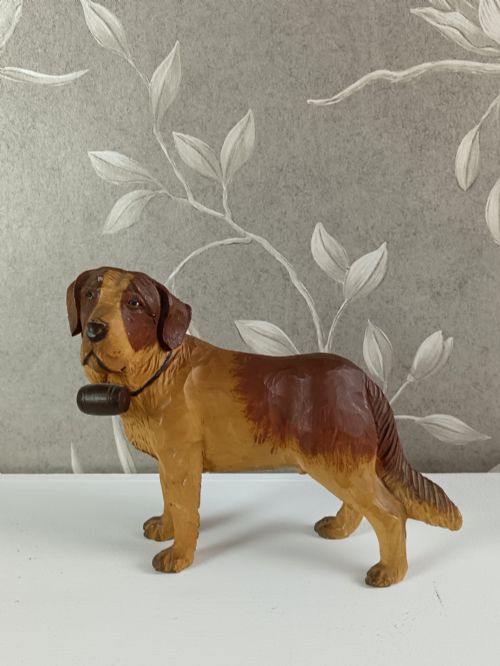
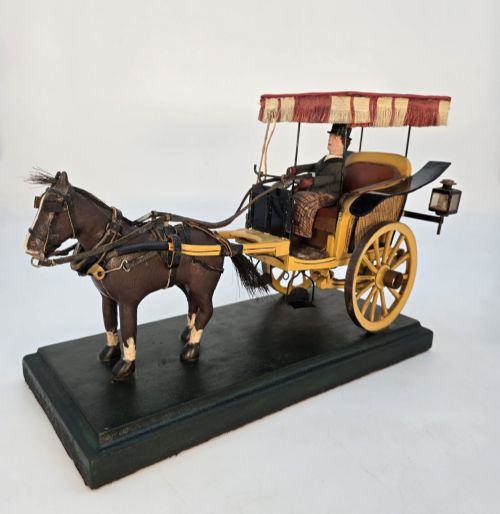
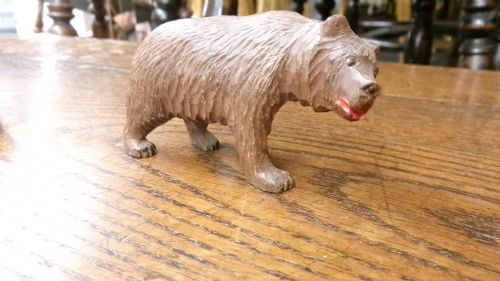
A folk art wooden figurine encompasses carved animals, human subjects, and regional characters produced across the eighteenth, nineteenth, and early twentieth centuries. These objects range from European Black Forest bears and decoy ducks to Asian carvings and ecclesiastical figures.
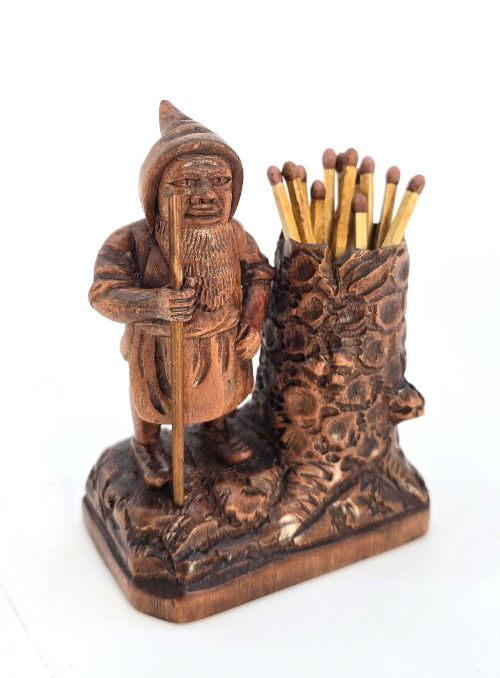
The most frequent examples encountered on this page date from the nineteenth century and the early decades of the nineteen hundreds, often taking the form of domestic animals, historical personages, or functional items like match holders and snuff boxes.
Makers ranged from self-taught village carvers to specialised regional workshops in Switzerland, Germany, Japan, and Britain, working primarily for local markets or travellers.
Materials and construction
Carvers utilised regional timbers readily available to them, including linden wood, walnut, limewood, oak, and dense tropical hardwoods. Linden and limewood proved especially popular for intricate work due to their fine, even grain.
Surfaces were frequently finished with polychrome paint, oil, or wax, while some pieces incorporated applied elements such as metal stands, brass fixtures, or stud eyes to add realism to birds and animals.
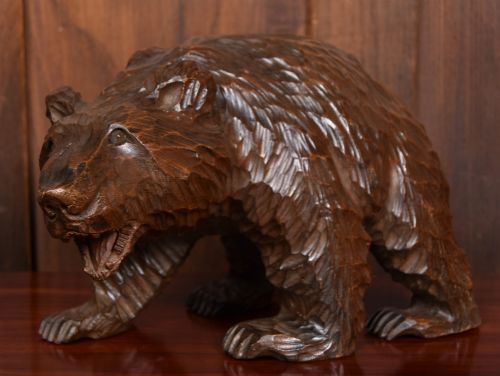
Techniques varied from naive whittling with pocket knives to sophisticated chip carving and the specific hatchet-hewn surfacing seen in Japanese nata-tsukuri work.
Folk Art Wooden Figurine Retail Price Guide 2026
Typical asking prices for folk art wooden figurine among the pieces listed under this phrase on Sellingantiques today, from the lower quarter to the upper quarter. They describe what is for sale here now, not the wider market.
A nineteenth-century carver carefully fitted tiny metal stud eyes into a miniature wooden bear to give it an alert expression.
Evaluating craftsmanship
Quality rests upon the confidence of the carving and the vitality of the silhouette rather than adherence to strict academic proportions. A successful piece captures character through economical, decisive cuts.
The preservation of original surface finishes, whether unadorned aged timber or early polychrome paint, largely determines the integrity of an object.
H.S Andy Anderson·Bogorodskoe Carving
The Folk Art Wooden Figurine Glossary
- Folk art
- Artefacts created by self-taught or traditional artisans outside formal academic traditions. These pieces reflect regional culture and domestic utility.
- Black Forest
- A nineteenth-century Swiss and German style of wood carving centred on animal figures and domestic furnishings. Bears and woodland fauna predominate.
- Polychrome
- Painted in several colours. This term describes surfaces decorated with pigments or oils.
- Decoy duck
- A carved and painted wooden water bird utilised by hunters to attract fowl. They display robust working vernacular forms.
- Limewood
- A pale timber favoured by European carvers for its soft texture and absence of prominent grain. It allows for sharp detail in small-scale figures.
Folk Art Wooden Figurine: Frequently Asked Questions
How old are these wooden carvings?
The pieces span from the eighteenth century through to the mid-twentieth century, with the majority originating in the nineteenth and early twentieth centuries.
Dates are deduced from timber patination, tool marks, and stylistic conventions associated with specific regional carving traditions.
Were these figures meant for display?
Many served dual purposes, functioning as decorative sculptures, children's toys, nutcrackers, snuff boxes, or match strikers in domestic interiors.
Others, such as ecclesiastical statues and decoy ducks, fulfilled specific religious or working functions before entering collections.
How should I clean a painted wooden figure?
Dust surfaces gently with a soft, dry brush to prevent accumulation without disturbing fragile paint or aged wax layers.
Avoid water, chemical cleaning agents, and modern polishes, which can strip historic finishes from the wood.
How do I identify Black Forest carvings?
Black Forest carvings are typically rendered in walnut or linden wood, frequently depicting bears, dogs, or forest foliage with deep undercutting and naturalistic textures.
Originating primarily in Switzerland and Germany, these works were often produced as souvenirs for nineteenth-century travellers.