


Folk Art Wooden Animal
These folk art wooden animal carvings bring domestic livestock, wild bears and carousel beasts together through centuries of vernacular handwork.
Folk Art Wooden Animal
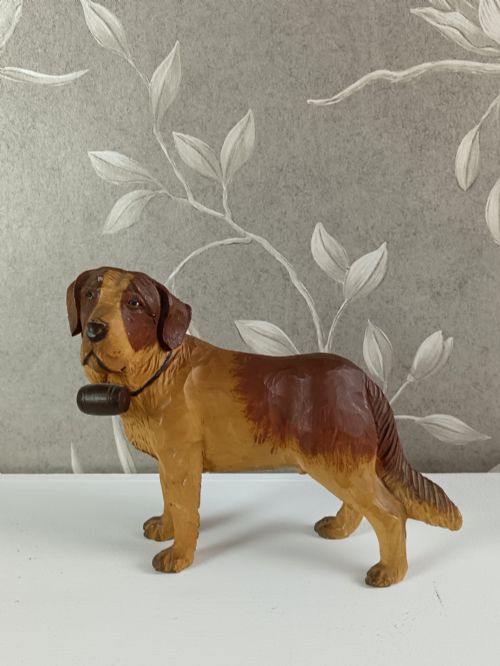
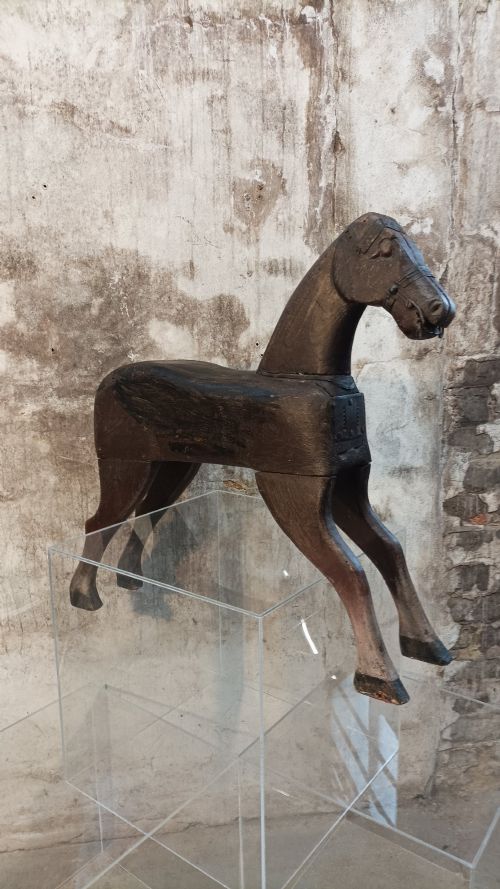
A folk art wooden animal brings together sculptures, toys and display figures shaped by vernacular carvers across Britain, Europe and Japan. When you search for folk art wooden animal, you encounter domestic livestock, wild creatures and carousel figures spanning multiple centuries.
The selections on this page draw heavily on nineteenth-century production alongside earlier seventeenth and eighteenth-century examples. Figures range from small toys and snuff boxes to life-size display pieces and architectural carvings.
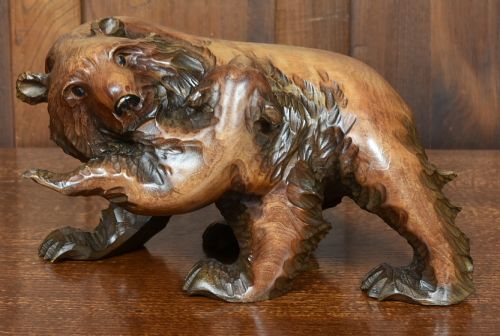
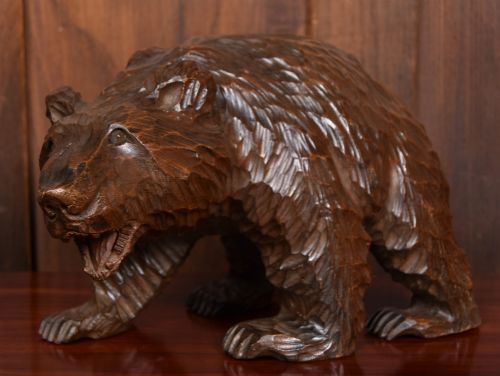
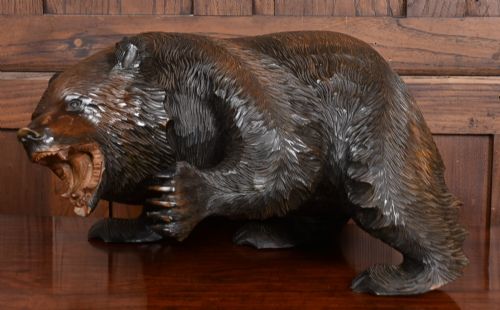
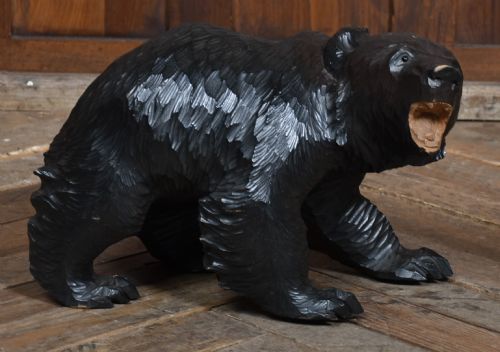
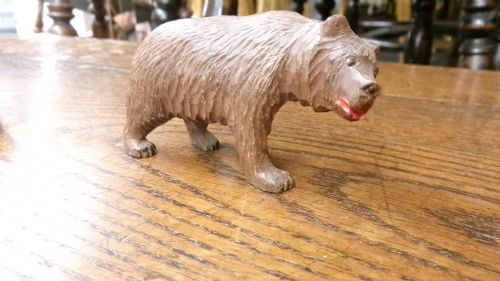
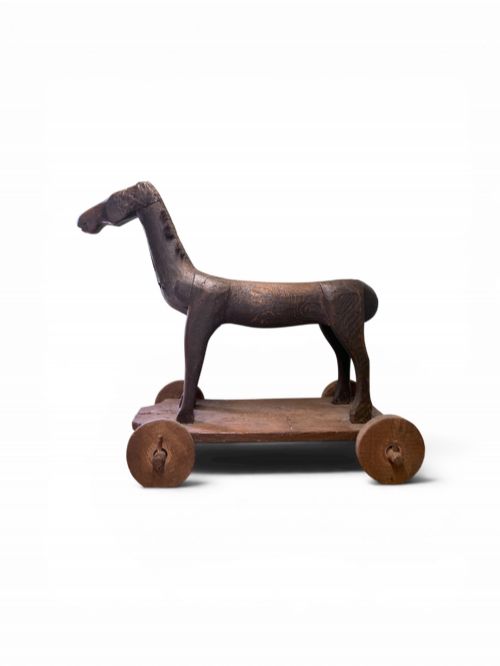
Japanese carved bears, Swiss Black Forest cattle, French carousel figures and British toys dominate the available forms. Each piece reflects regional traditions of carving and painting applied to utilitarian and decorative objects.
Materials and construction
Carvers shaped these objects primarily from wood, utilising hardwoods, fruitwood, cedar and linden wood suited to detailed hand-carving. Many pieces retain traces of original paint, stain or natural grain finishes that accentuate the carved surface.
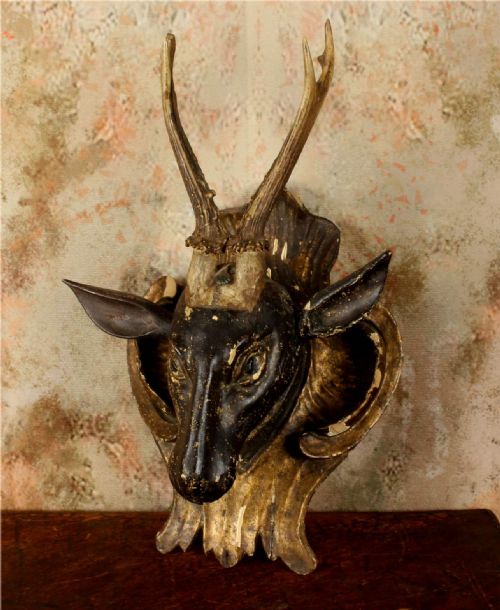
Makers incorporated supplementary materials such as metal, antler and stud eyes to complete figures like deer heads and articulated walking canes. Construction methods vary from naive solid block carving to wheeled toy platforms and articulated joints.
Folk Art Wooden Animal Retail Price Guide 2026
Typical asking prices for folk art wooden animal among the pieces listed under this phrase on Sellingantiques today, from the lower quarter to the upper quarter. They describe what is for sale here now, not the wider market.
Listings feature wood, paint and antler across nineteenth-century sculptures and toys.
Judging quality and character
Quality rests upon the confidence of the carving and the preservation of original surfaces. Expressive proportions and deliberate knife work distinguish skilled regional interpretations from ordinary production.
The integrity of original paint layers and patination separates superior survivals from later alterations. Subtle details in posture and anatomical observation elevate individual sculptures above standard decorative objects.
The Folk Art Wooden Animal Glossary
- Black Forest
- A style of wood carving originating from the Brienz region of Switzerland, known for realistic bears, animals and foliage. Carvers utilised linden wood to produce both miniature figures and large furnishings.
- Kibori Kuma
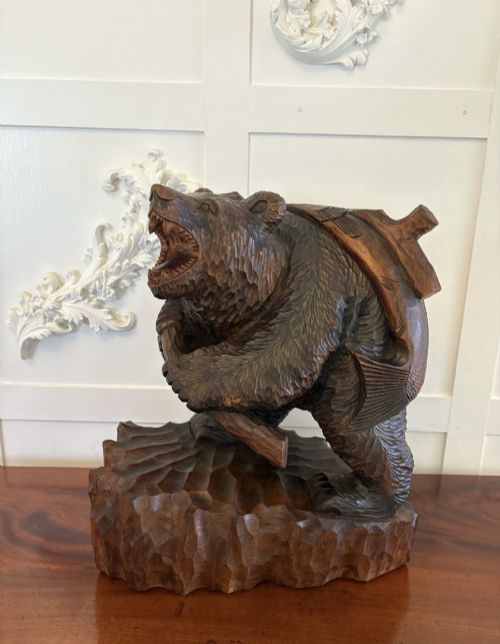
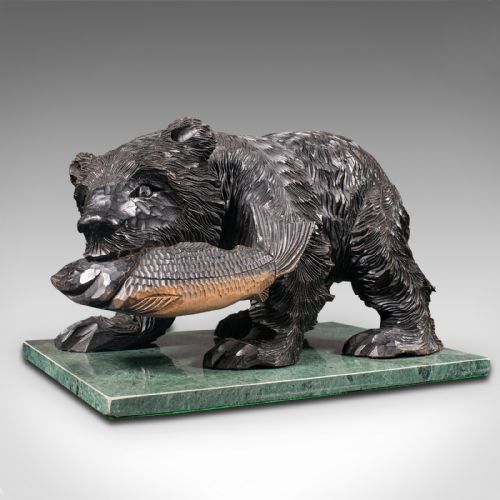
- A traditional Japanese wooden carved bear, frequently depicted carrying a fish in its mouth. These figures emerged from Hokkaidō and became prominent examples of folk craft.
- Naïve
- A descriptor for objects created outside formal academic art traditions, showing simplified perspective and direct execution. This quality defines much early toy and animal carving.
- Carousel figure
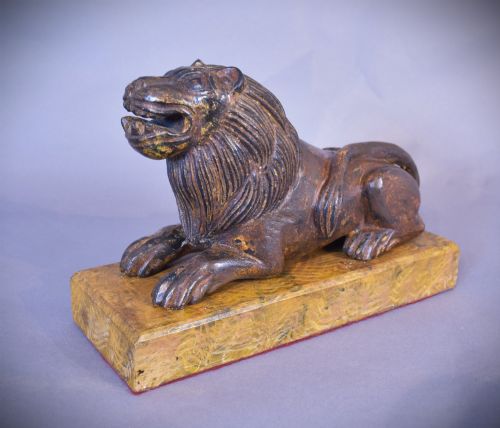
- Carved wooden animals such as horses, pigs and lions designed for fairground rides. These pieces typically display dynamic poses and robust painted decoration.
- Antler
- Horn material utilised for decorative elements or integrated into taxidermy and folk art trophies. It appears alongside carved wood in domestic display pieces.
Folk Art Wooden Animal: Frequently Asked Questions
How do I identify a Black Forest carving?
Black Forest carvings are typically rendered in linden wood and depict animals like bears, dogs or cattle with realistic textures. Look for deep brown stains and regional Swiss or German stylistic traits.
Many pieces from this tradition incorporate naturalistic details such as glass or stud eyes and foliage motifs.
What period do most wooden animal carvings belong to?
The majority of pieces encountered date from the nineteenth century, spanning Victorian production up to nineteen-thirty. Earlier examples from the seventeenth and eighteenth centuries occur less frequently.
Dating relies upon timber selection, tool marks, and the presence of original paint or surface wear.
Were these animals meant as toys or displays?
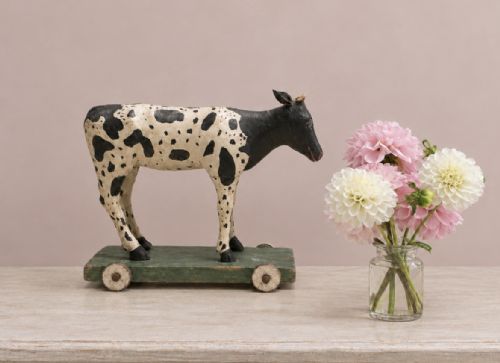
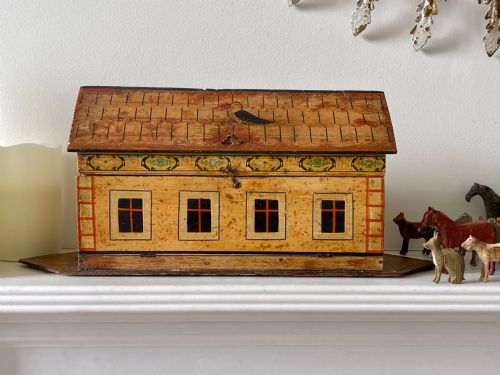
Objects in this category served multiple functions, ranging from children's pull toys and Noah's Ark sets to butcher's shop displays and decorative sculptures. Scale often indicates purpose, with miniature figures contrasting against life-size pieces.
Items like snuff boxes and nutcrackers combined animal forms with practical domestic utility.
How should I care for antique wooden carvings?
Maintain stable indoor humidity levels and keep wooden sculptures away from direct heat sources to prevent timber splitting. Dust gently with a dry cloth without applying modern polishes.
Preserve original painted surfaces by avoiding moisture and abrasive cleaning methods.