





Folk Art Plaque
A folk art plaque brings handmade regional character to a room through carved wood, painted timber and metal.
Folk Art Plaque
A folk art plaque encompasses hand-carved wooden panels, painted architectural fragments and sheet metal signs created across the nineteenth and early twentieth centuries. Buyers seeking these pieces will encounter regional expressions ranging from British wall plaques and Dutch carvings to Italian cart fragments and American pyrography panels.
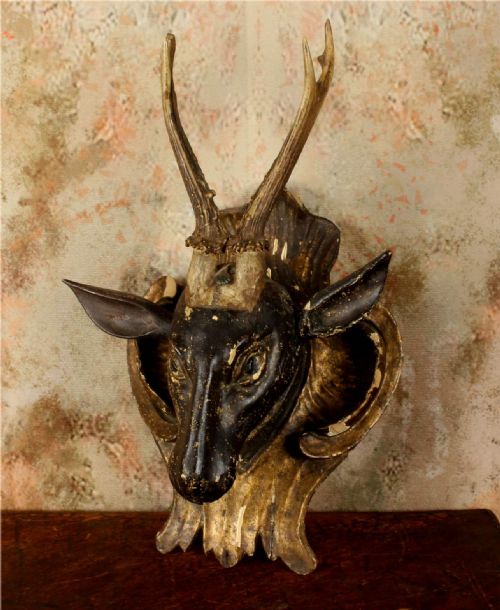
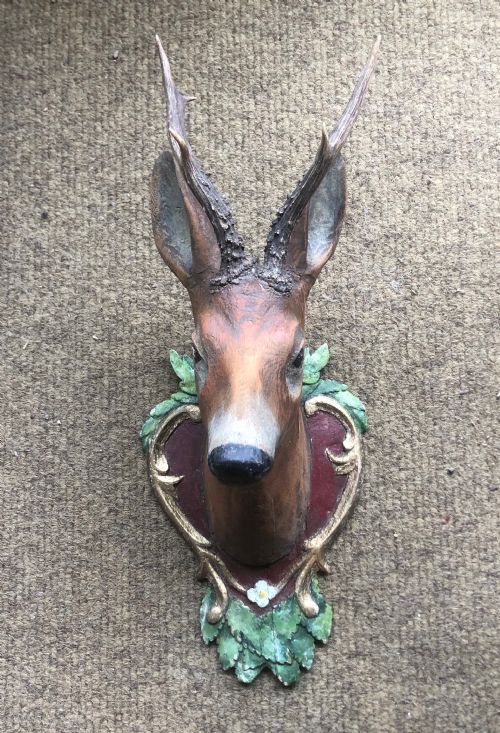
The selections available here lean heavily into nineteenth-century woodwork, featuring painted pine display signs, carved animal trophies with antlers, and figurative wall sculptures. Most pieces serve as wall decor and architectural salvage, shaped by local makers working in styles from Victorian folk art to Americana and Japanese Mingei.
Materials and construction
Makers shaped these pieces primarily from timber such as oak, pine, and painted wood, often applying oil paint to surface details or utilising Welsh slate for heavy hearth panels. Metal surfaces appear in sheet iron works like fairground carousel panels.
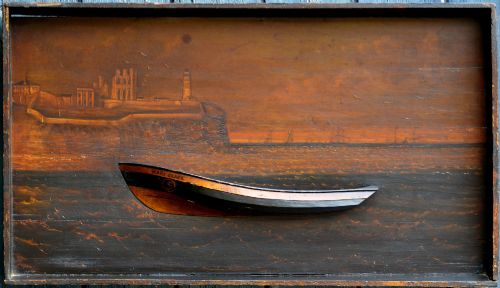
Carving and pyrography define the technique, seen in relief panels and half-hull ship models built with applied paint and natural antler components.
Folk Art Plaque Retail Price Guide 2026
Typical asking prices for folk art plaque among the pieces listed under this phrase on Sellingantiques today, from the lower quarter to the upper quarter. They describe what is for sale here now, not the wider market.
Several pieces feature unexpected companions for your walls, including carved deer heads with real antlers and galloping sheet metal horses.
Judging quality and depth
Quality rests in the directness of the hand-carving and the preservation of original painted surfaces, where authentic wear reflects utilitarian age rather than modern intervention. Stronger examples display crisp depth in nineteenth-century timber reliefs and distinct regional character in Dutch or German carving.
The nuance lies in the balance between raw primitive form and intentional design, separating standard architectural salvage from truly expressive wall art.
The Folk Art Plaque Glossary
- Folk art
- Artefacts created by self-taught or local artisans outside formal academic traditions, using traditional materials of a region. These works often carry strong utilitarian or decorative local functions.
- Pyrography
- The art of decorating wood or other materials by burning a design on the surface with a heated metallic point. This technique appears in nineteenth-century American decorative panels.
- Architectural salvage
- Building elements and decorative fixtures rescued from demolition or alteration for reuse as wall decor. Items include carved panels, painted signs and cart fragments.
- Half-hull model
- A three-dimensional representation of a ship's hull built against a backboard to display vessel lines. These wooden pieces function as maritime wall art.
- Primitive
- A descriptive term for early or unrefined decorative work showing direct, unpretentious handling of materials. It highlights the unpolished character of sixteenth-century and nineteenth-century pieces.
Folk Art Plaque: Frequently Asked Questions
What is a folk art plaque?
A folk art plaque is a hand-carved or painted wall piece made by regional artisans using wood, metal, or slate. These items range from nineteenth-century British pottery plaques to carved animal panels.
They function primarily as wall decor and historical artefacts, reflecting the vernacular traditions of specific communities in Europe and America.
How do I date a wooden plaque?
Dating relies on tool marks, timber types, and the composition of original paint layers applied over the wood or metal. Nineteenth-century pieces frequently display specific regional painting styles and hand-forged or early machine-cut fixings.
Wear patterns and the natural ageing of pine, oak, or slate provide further clues to whether a piece originates from the Victorian era or earlier.
Where should I hang a wall sculpture?
These wall sculptures and panels suit spaces with neutral walls where their texture and original paint can stand out. Placing them at eye level in living areas or hallways allows the detail of the carving to be appreciated.
Because many are heavy timber or slate, sturdy fixings suited to the specific weight of the object are essential.