




Foldable Table
These foldable antique table pieces offer clever space-saving design from centuries past, crafted in rich hardwoods and fitted with subtle folding mechanisms that collectors prize.
Foldable Table
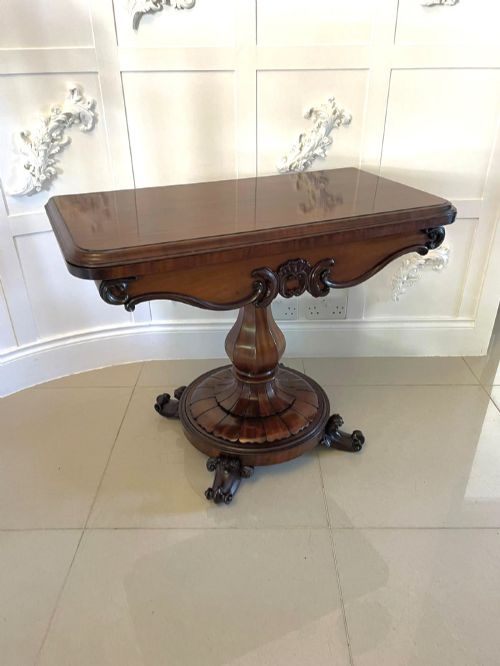
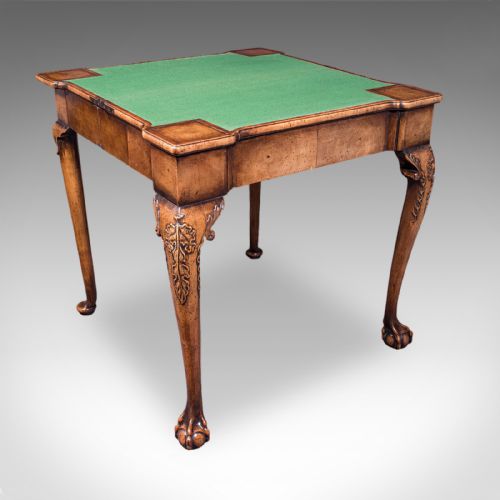
When you search for a foldable antique table, you encounter an array of ingenious multipurpose furniture designed to adapt to changing rooms throughout the centuries. These pieces encompass card tables, games tables, tea tables, drop-leaf dining tables, and two-tier dumb waiters spanning the Georgian, Victorian, Edwardian, and earlier periods.
You are most likely to meet mahogany card and tea tables featuring fold-over tops, alongside oak drop-leaf dining tables and walnut bridge tables. The selection also includes rarer forms such as French brass dressing mirrors and Anglo-Indian carved tables, reflecting diverse international influences and domestic utility.
The origins of these items stretch from the seventeenth century through to the early twentieth century, showing how households maximised their floor space before the modern era. Each form served a distinct social function, from evening card parties to formal tea service and adaptable dining arrangements.
Materials and construction
Cabinet makers relied heavily on solid mahogany, walnut, oak, and rosewood to build these versatile frames, often incorporating satinwood and boxwood stringing for decorative contrast. Secondary timbers provided internal structural support for the clever hinges, pivoting leaves, and folding actions required to alter each piece's footprint.
Surfaces frequently incorporate inset baize for card playing or polished timber tops designed to withstand daily domestic use. Brass fittings, hinges, and castors appear regularly, ensuring that the moving leaves and drop-leaf supports operate smoothly during transformation.
Some tables hide secret compartments beneath their folding tops, originally designed to keep cheating card players honest.
Distinctions in quality
The fineness of timber selection separates standard items from exceptional examples, particularly in the figured grain of mahogany or walnut veneers and the crispness of hand-carved details like dolphin pedestals or serpentine edges. Superior pieces maintain tight joints in their folding mechanisms without sagging leaves or loose pivoting tops.
Meticulous inlay work, original brass hardware, and well-preserved baize linings indicate higher workshops standards. The overall proportion and balance when the table stands fully open reveal the maker's mastery over utilitarian design.
The Foldable Table Glossary
- Card Table
- A specialised table with a hinged top that folds open to reveal a baize-lined surface for playing games. These tables often include small corner wells for counters or candlesticks.
- Drop-Leaf Table
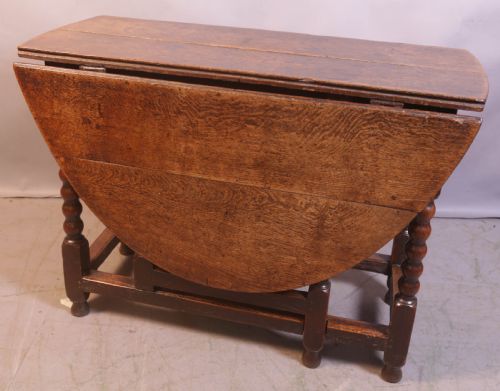
- A table featuring fixed centre sections with hinged flaps on either side that drop down when not in use. Brackets or swing legs support the leaves when raised.
- Gate Table
- A table with hinged legs that swing out like a gate to support a fold-out leaf or top. This sturdy seventeenth-century form provides substantial surface area from a compact frame.
- Dumb Waiter
- A tiered movable shelving unit, sometimes incorporating folding or rotating elements, used to serve food and drinks without servants present in the room.
- Demi-Lune
- A half-moon shape commonly found on console and card table tops designed to sit flush against a wall when folded closed.
Foldable Table: Frequently Asked Questions
How do I use an antique card table?
These tables function as side furniture when folded closed against a wall, saving valuable floor space in smaller rooms. By lifting and pivoting the top, you reveal a stable surface ready for board games or writing.
Ensure the swinging leg or support gate is fully locked into position before placing heavy items on the open leaf. Treating the antique hinges gently preserves the mechanism for daily use.
What is a fold-over tea table?
A fold-over tea table provides a compact console surface that doubles in size when the hinged top is unfolded. Georgian households used these pieces during afternoon tea ceremonies before clearing the cups away.
The clever double-top design allowed hosts to slide the table back against the wall once the gathering concluded. Many examples feature polished mahogany surfaces suited to displaying decorative objects.
How do I date a drop leaf table?
Dating relies on examining the timber species, construction joints, and turning styles visible beneath the frame. Oak versions often point to earlier seventeenth-century periods, while mahogany and satinwood construction typically indicates Georgian or Victorian craftsmanship.
Tool marks on the underside and the style of the hinges offer further clues regarding the era of manufacture. Consulting the listed period provides a reliable guide to the age of each item.
Can I use these tables daily?
These tables were built for active domestic routines and handle normal everyday tasks well when treated with reasonable care. Using coasters and avoiding excessive moisture protects the polished timber and historic finishes.
Operating the folding leaves carefully prevents strain on original brass hinges and wooden pivots. Regular maintenance keeps the mechanical joints working smoothly.