


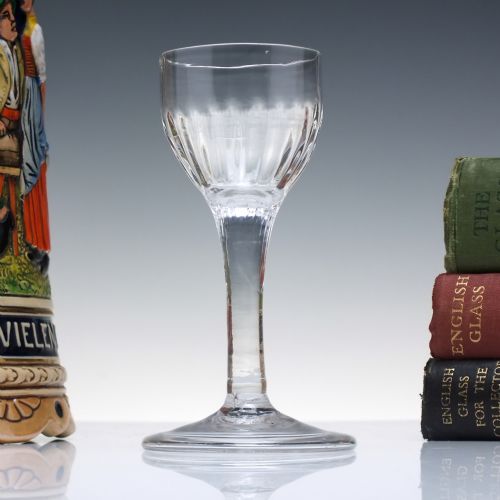


Fold Foot Wine Glass
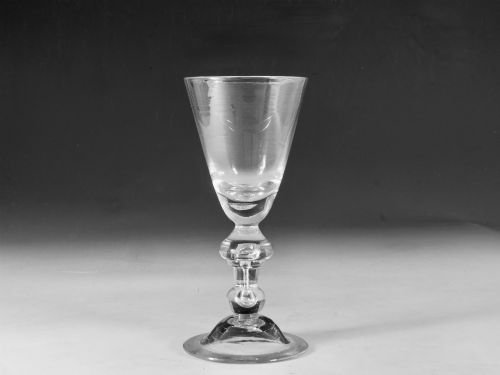
A fold foot wine glass brings the weight of the eighteenth century to the table, offering tactile stability through its characteristic turned-under rim.
Fold Foot Wine Glass
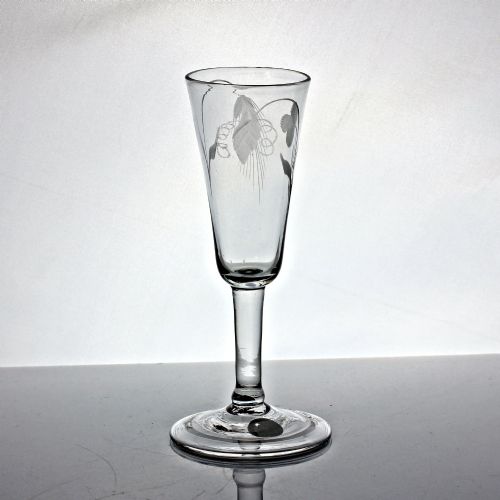
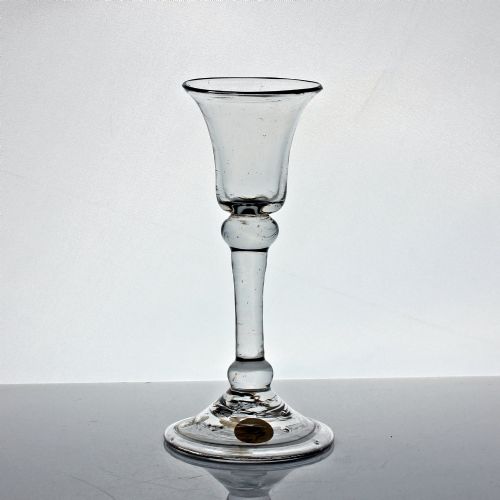
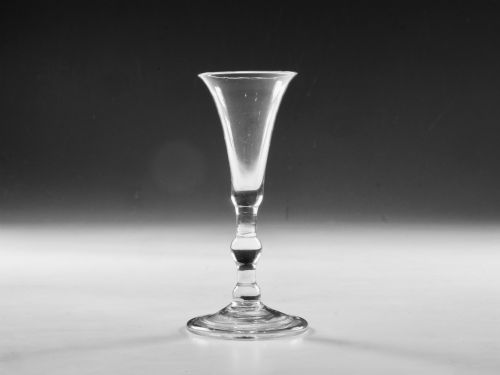
When you search for a fold foot wine glass, you encounter drinking vessels spanning the Georgian era and the eighteenth century. These pieces encompass wine glasses, gin glasses, ale glasses, goblets, and cordial glasses.
You are most likely to meet stemware featuring lead glass or clear glass, often shaped with balustroid, plain, or complex air-teared stems. Bowls range from bell and ribbed forms to engraved hop and barley designs and drawn trumpets.
Originating in England around the mid-eighteenth century, these drinking glasses combine robust proportions with refined optical clarity. Collectors prize them for their survival across three centuries of use.
How they were made
Craftsmen shaped these vessels using hand-blown lead glass, lead crystal, and flint glass, manipulating molten material at the furnace. The distinctive foot was formed by folding the hot edge of the glass underneath itself, creating a thickened, rounded rim that added strength to the base.
Stems were fashioned in various styles, including balustroid profiles, plain configurations, and drawn forms incorporating internal air tears. Bowls were then blown and shaped, sometimes receiving surface engraving such as hop and barley motifs or ribbing.
Fold Foot Wine Glass Retail Price Guide 2026
Typical asking prices for fold foot wine glass among the pieces listed under this phrase on Sellingantiques today, from the lower quarter to the upper quarter. They describe what is for sale here now, not the wider market.
Current listings demonstrate a concentration of eighteenth-century Georgian forms, exclusively utilising lead glass, clear glass, and flint glass.
What varies in quality
Quality rests in the balance of the proportions and the crispness of the glass manipulation. A well-executed fold on the foot shows neat execution without excessive thickness or distortion in the metal.
The clarity of the lead glass and the precision of stem formations, such as air tears and balustroid nodes, distinguish standard production from superior examples. Surface embellishments like engraving also influence the character of the piece.
The Fold Foot Wine Glass Glossary
- Folded foot
- A base formed by turning the hot outer rim of the glass underneath to create a smooth, rounded edge. This technique provides extra weight and protection against chipping.
- Air tear
- An elongated bubble trapped intentionally inside the stem of a glass during manufacture. It catches the light and demonstrates the skill of the glassblower.
- Balustroid
- A stem style derived from architectural balusters, featuring knops and thickened profiles characteristic of mid-eighteenth-century English drinking vessels.
- Flint glass
- An early term for high-clarity lead glass developed in England. It offers superior weight, brilliance, and refractive properties compared to standard soda glass.
- Drawn trumpet
- A bowl form pulled directly from the stem material while hot, creating a continuous flared profile without a separate bowl join.
Fold Foot Wine Glass: Frequently Asked Questions
What is a fold foot wine glass?
It is an eighteenth-century drinking vessel featuring a base with a turned-under rim. This construction method provides physical stability and a distinct tactile edge.
Such pieces represent the domestic glassware of the Georgian period, rendered in lead glass or flint glass.
How can I date an eighteenth century wine glass?
Dating relies on observing the form of the bowl, the construction of the stem, and the shape of the foot. Balustroid stems and folded feet typically point towards the middle decades of the eighteenth century.
Material composition, specifically the presence of heavy lead glass, further supports period attribution.
How were these glasses used originally?
They served alcoholic beverages such as wine, ale, spirits, and cordials at table or during social gatherings. Their robust construction suited the robust dining habits of the Georgian era.
Different bowl shapes accommodated different drinks, from narrow cordial bowls to wide trumpet wine vessels.
How do I live with antique glassware?
Display these pieces in stable cabinets away from direct knocks, and wash them by hand in lukewarm water. Avoid sudden temperature changes to protect the historic metal.
Allowing them to take part in modern dining connects everyday use with centuries of craftsmanship.