



Fluted Wood Lighting
Fluted wood lighting brings warmth and architectural precision to a room through carved vertical channels on timber bases.
Fluted Wood Lighting
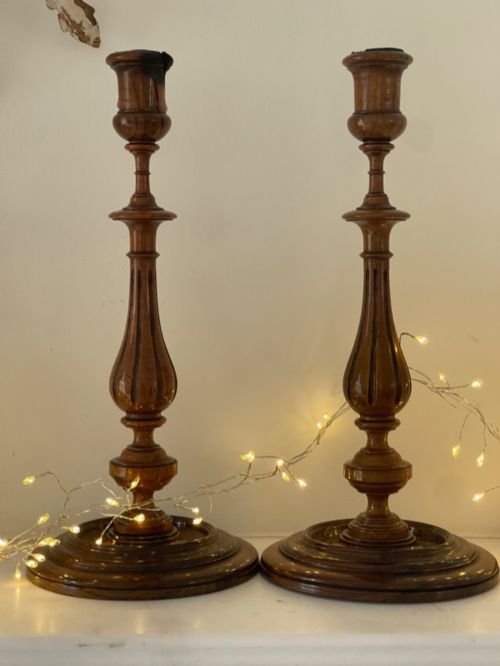
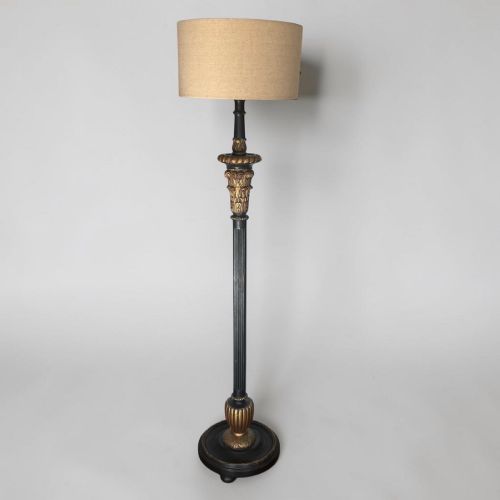
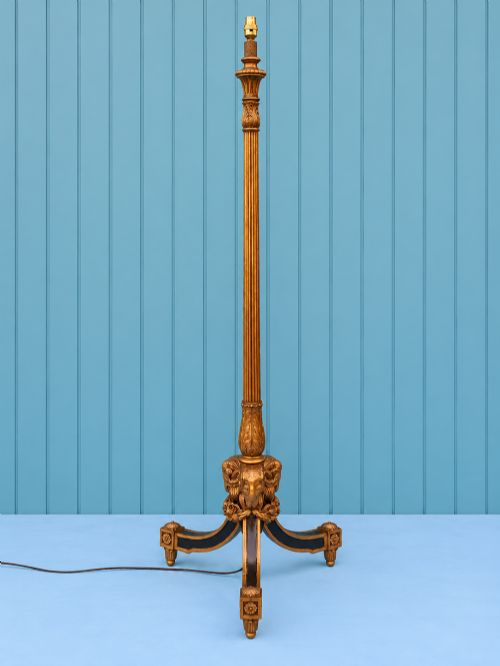
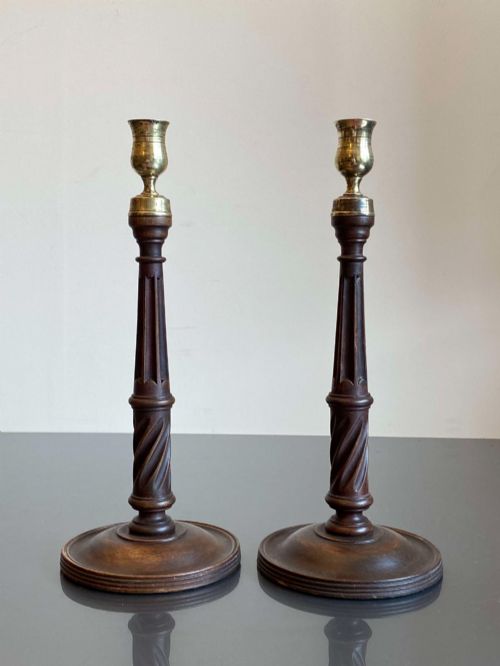
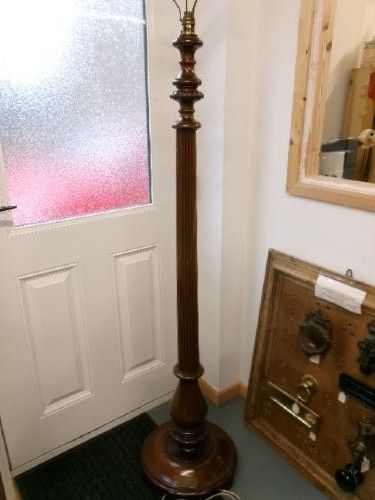
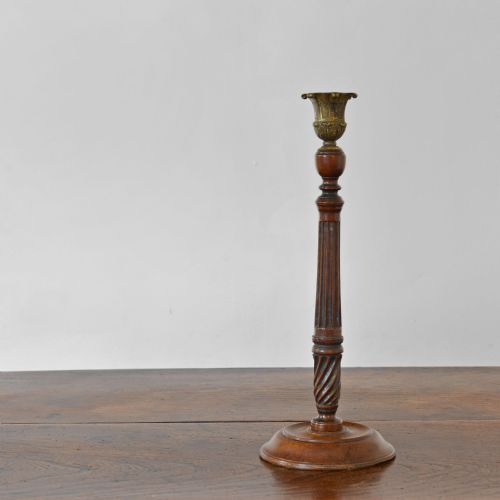
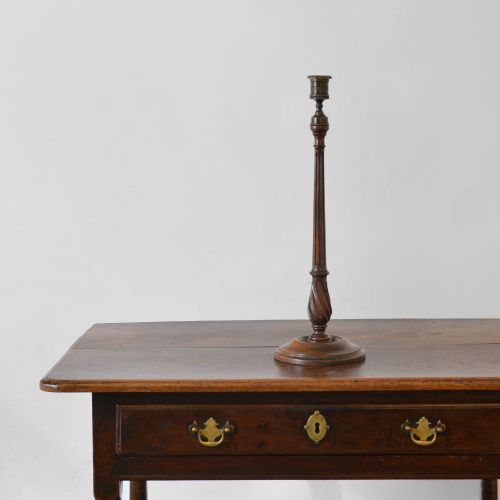
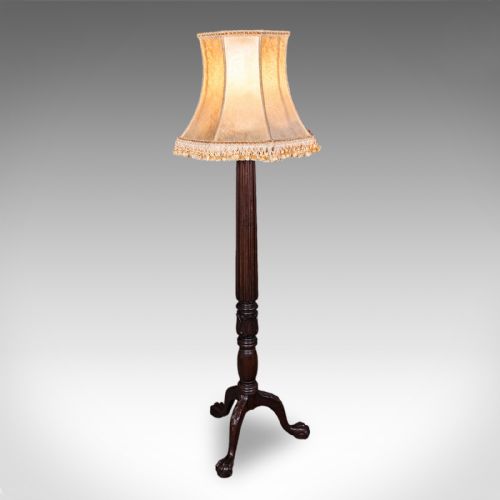
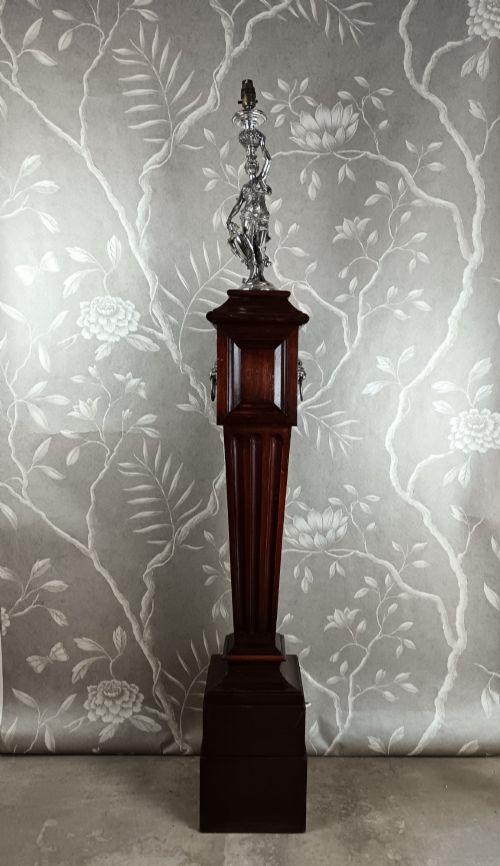
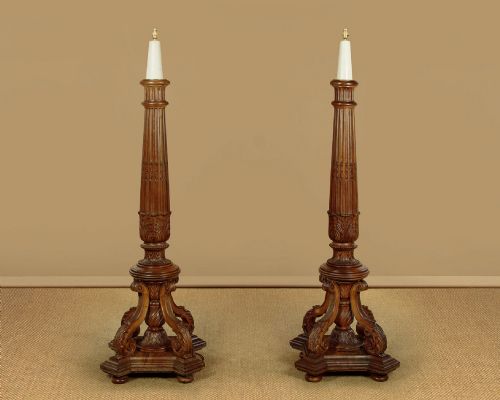
Fluted wood lighting encompasses floor lamps, standard lamps, table lamps, and candlesticks shaped with vertical grooves along their timber columns. When searching for fluted wood lighting, a buyer encounters pieces ranging from compact table models to tall floor-standing columns designed to carry fabric shades. The selection leans heavily toward classic mahogany and walnut constructions from the Georgian era through the early twentieth century.
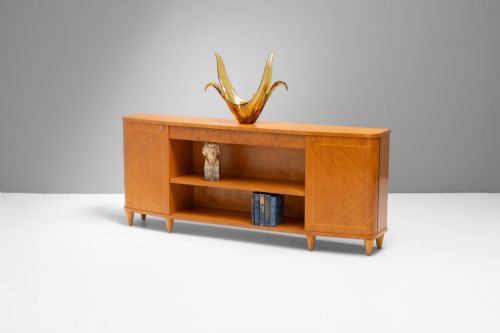
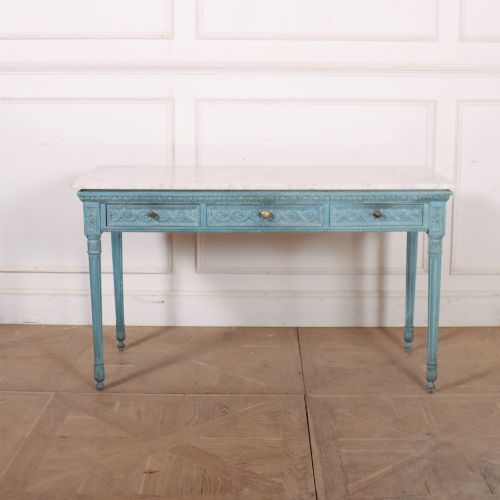
The assortment on this page draws on periods spanning from the Georgian era to the 1930s, incorporating styles like Edwardian, Louis XVI, and Swedish Grace. Floor lamps and standard lamps dominate the taller formats, while smaller turned candlesticks represent the earlier Georgian and nineteenth-century examples. Alongside traditional floor and table lighting, the selection includes related timber forms that share the same decorative vocabulary.
Materials and Construction
Makers shaped these fixtures primarily from dense hardwoods like mahogany and walnut, turning the timber on a lathe before cutting the vertical flutes by hand or with specialised machinery. Giltwood and gesso appear on more decorative surfaces, adding a layer of metallic leaf or prepared plaster over the carved wood base. Metal components such as brass sconces and fittings provide functional contrast to the wooden columns.
Surface finishes rely on traditional polish and paint applications, with painted wood and standard clear polishes highlighting the grain of the underlying timber. Fabric shades complete the top of many standard lamps, diffusing the light cast from the wired or candle-lit sources below.
Fluted Wood Lighting Retail Price Guide 2026
Typical asking prices for fluted wood lighting among the pieces listed under this phrase on Sellingantiques today, from the lower quarter to the upper quarter. They describe what is for sale here now, not the wider market.
A sturdy timber column ensures your reading light will outlive every smartphone charger in the house.
Distinctions in Quality
The precision and depth of the carved fluting dictate the visual sharpness of the column, separating deeply chased channels from shallow or worn depressions. Timber selection also defines the tier of a piece, where dense, well-figured mahogany or walnut commands greater presence than plain or heavily repaired softwood.
Proportion and stability determine the success of taller floor standards, ensuring the vertical shaft balances cleanly against its weighted base. Original brass fittings and integrated metal details maintain the structural integrity and period character of the lamp.
The Fluted Wood Lighting Glossary
- Fluting
- A series of shallow, vertical parallel grooves carved into the surface of a column or pillar. This classical architectural detail draws the eye upward and adds texture to the turned wooden shaft.
- Standard Lamp
- A tall, free-standing floor lamp designed to hold a shade and illuminate a room from a corner or seating group. These pieces often feature heavy turned bases to support their height safely.
- Torchere
- A tall ornamental stand or floor lamp originally intended to carry a light source. In later periods, these forms were adapted to hold electric fittings while retaining their slender proportions.
- Giltwood
- Timber that has been coated with a thin layer of gold leaf. This technique was utilised on decorative lighting to catch and reflect candlelight or ambient room illumination.
- Sconce
- A metal holder fitted to the top of a candlestick or lamp to secure the candle or electrical fitting. Brass is frequently employed for these components to provide durability against heat and wear.
Fluted Wood Lighting: Frequently Asked Questions
How do I date a fluted wooden lamp?
Dating relies on examining the timber species, turning style, and construction methods used in the base. Georgian and nineteenth-century examples often display hand-turned details and dense mahogany, whereas 1920s and 1930s pieces reflect cleaner modern proportions.
Hardware components and wiring channels also provide clues to age. Original brass fittings and hand-cut screws help narrow down the period of manufacture before electrification was standardised.
Are these lamps converted from old candlesticks?
Many taller standard lamps evolved from floor-standing torchere columns or were built specifically as electric floor lights in the early twentieth century. Candlesticks generally retain their smaller table-top scale and original brass sconces.
Inspecting the central column reveals whether a piece was originally designed to carry weight or if a wire channel was bored through an existing turned timber object at a later date.
Where should I place a standard lamp?
Standard lamps work effectively beside armchairs, sideboards, or console tables to create layered illumination in a room. Their vertical height helps fill corners without consuming valuable floor space.
Matching the wood tone of the lamp base to nearby furniture creates visual cohesion. Placing the light near natural seating areas makes the tall column both a practical reading aid and a decorative focal point.
What maintenance do wooden lamp bases need?
Wooden lamp bases require minimal care beyond dusting with a soft, dry cloth to protect the polished surface. Avoiding direct sunlight prevents the mahogany or walnut timber from fading over time.
Periodic application of appropriate furniture wax helps nourish the wood grain. Electrical components should be checked by a qualified professional to ensure safety.