



Fluted Silver Pot
These pieces of fluted silver pot bring heavy Victorian tableware and tea service elegance to a table.
Fluted Silver Pot
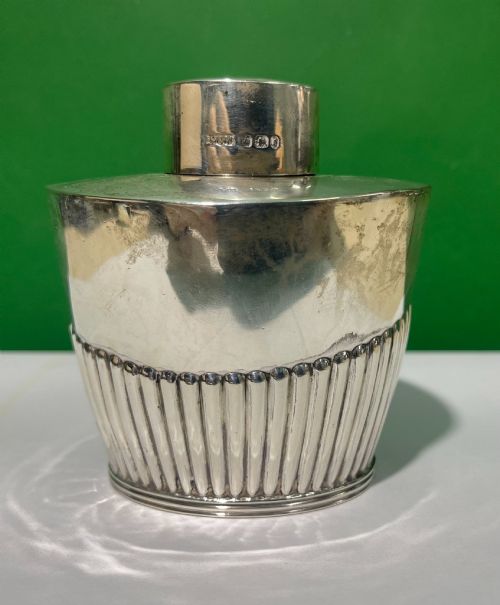
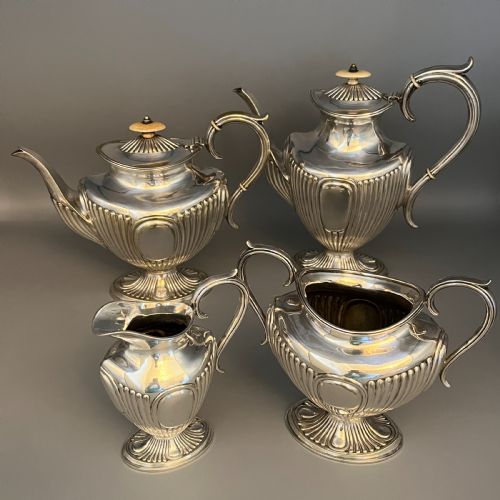
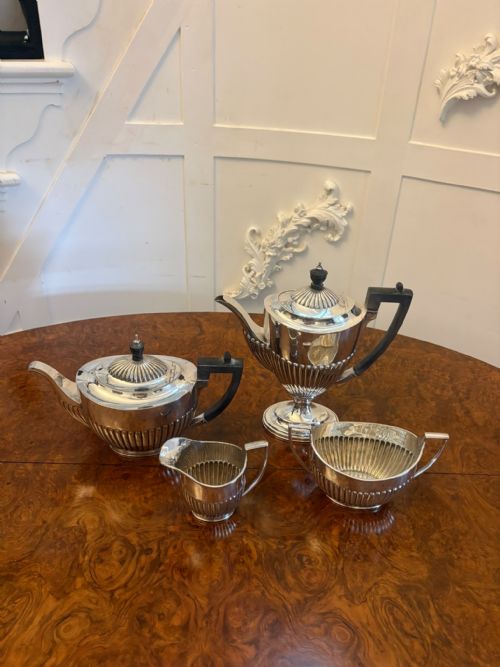
When you search for a fluted silver pot, you encounter items ranging from individual teapots and hot water vessels to complete multi-piece tea and coffee sets, mustard pots, pepperettes, and salt cellars. The most common examples on this page are silver plated and sterling silver tea service components and tableware originating from the Victorian, Edwardian, and nineteenth-century periods.
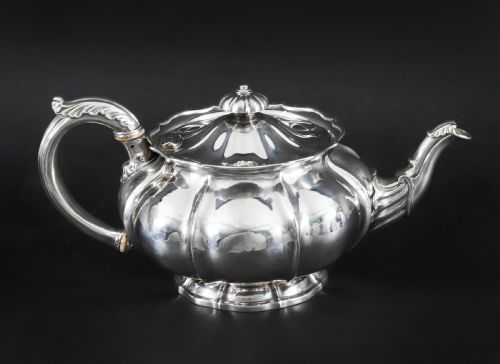
The selection also includes associated forms such as silver lidded jugs with hand-engraved floral designs and woven handles, alongside Georgian sterling silver teapots. Alongside domestic tableware, the listings encompass related items like a Regency pepper pot pistol and pairs of hallmarked salt cellars.
How they were made
The objects are constructed predominantly from sterling silver and silver plate, utilising metals formed into vessels with distinct vertical fluting. Makers incorporated contrasting elements such as ebonised wood, cane, bone, wood, and steel for handles and functional components.
Surface decoration relies heavily on hand-engraved floral designs applied to the silver bodies. Hallmarking practices on solid silver pieces record assay office marks and dates from the nineteenth and early twentieth centuries.
Fluted Silver Pot Retail Price Guide 2026
Typical asking prices for fluted silver pot among the pieces listed under this phrase on Sellingantiques today, from the lower quarter to the upper quarter. They describe what is for sale here now, not the wider market.
The listings on this page span the Victorian, Edwardian, Georgian, and Regency periods, utilising sterling silver, silver plate, ebonised wood, and bone.
What varies in quality
Quality rests upon the crispness of the fluting and the integrity of the original surface decoration, whether hand-engraved or cast. Complete services retained in their fitted cases demonstrate a higher degree of original preservation than scattered single items.
The calibre of the maker and the weight of the metal distinguish standard domestic items from pieces bearing hallmarks associated with known silversmiths and major urban workshops.
Paul Storr·Heath and Middleton·Harry Atkin
The Fluted Silver Pot Glossary
- Sterling silver
- An alloy containing a high proportion of pure silver by weight, standard for quality British tableware. Items of this standard typically bear official assay office hallmarks.
- Silver plate
- A base metal foundation coated with a thin layer of silver. This technique offered the visual appearance of solid silver at a lower cost during the nineteenth century.
- Pepperette
- A small tabletop container designed for dispensing ground pepper. These often match larger salt cellars and mustard pots within dining table services.
- Hallmark
- An official stamp applied to precious metals to guarantee their purity and origin. These marks indicate the maker, assay office, and year of testing.
- Fluting
- A series of shallow, vertical parallel grooves or channels carved or pressed into the body of a vessel. This decorative technique catches the light and adds texture to the silver surface.
Fluted Silver Pot: Frequently Asked Questions
What is a fluted silver pot used for?
These vessels served primarily for brewing and pouring tea, coffee, or hot water during formal dining and social gatherings.
Smaller variants such as mustard pots, salt cellars, and pepperettes held condiments on the dining table.
How do I care for silver plated tableware?
Silver plated items require gentle cleaning with specialised silver polish to remove tarnish without wearing away the plated surface.
Storage in dry environments helps prevent rapid oxidation and preserves the engraved floral designs.
How can I tell Victorian pieces apart?
Victorian items often display specific stylistic traits from the nineteenth century alongside official assay office date letters.
Later pieces from around nineteen hundred often reflect Edwardian design sensibilities while retaining traditional silver manufacturing methods.
What materials are used in these handles?
Handles on these pots frequently incorporate ebonised wood, cane, or bone to provide insulation against heat.
These natural materials were chosen for their durability and comfortable grip during use.