





Fluted Oak Table
Fluted oak table examples range from sturdy Georgian side tables to refined Edwardian writing desks, offering both utility and character.
Fluted Oak Table
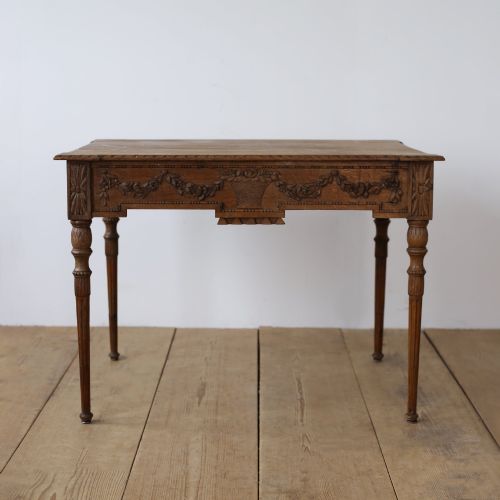
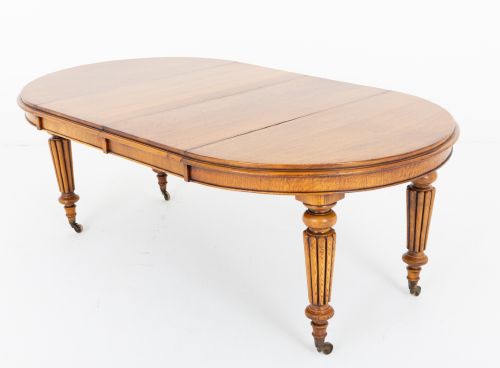
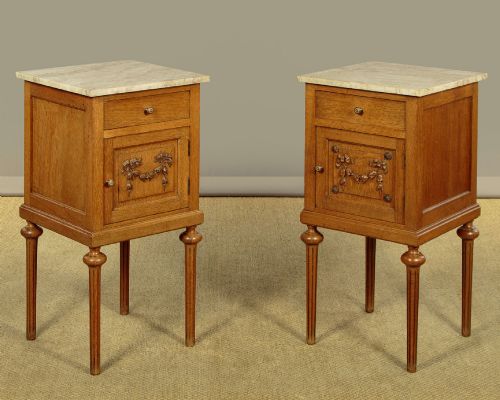
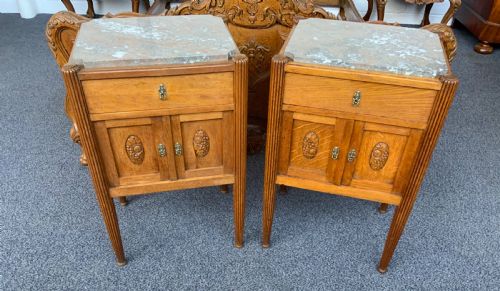
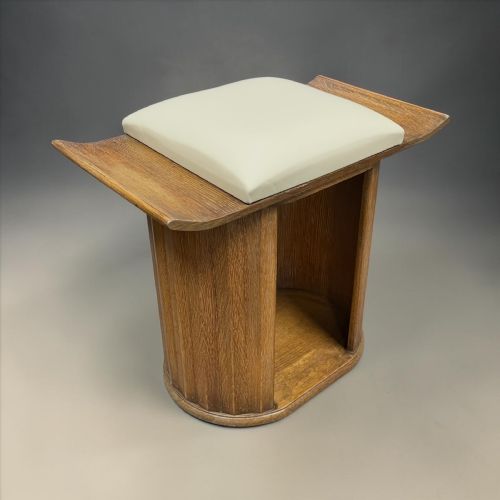
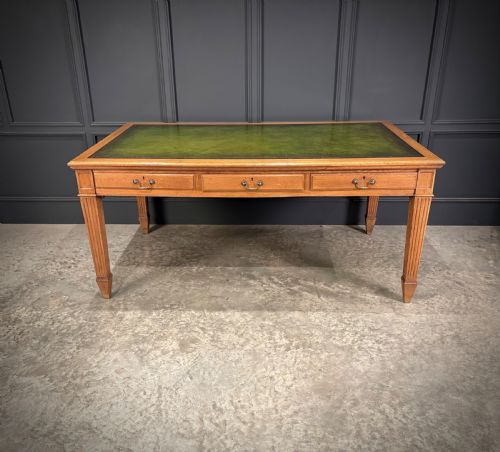
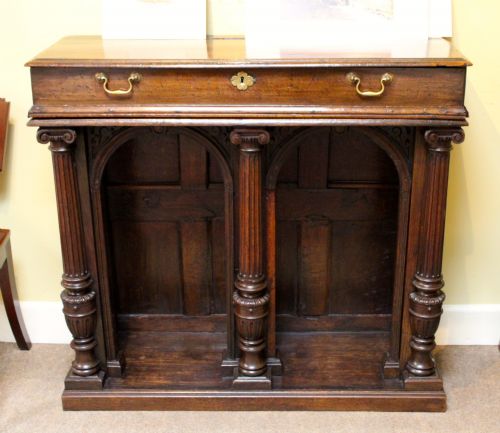
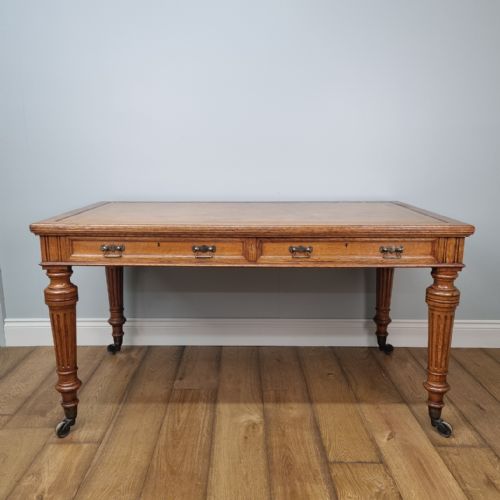
A fluted oak table brings together solid timber and carved vertical grooves, appearing across centuries of domestic and formal furniture. You encounter these pieces in forms ranging from side tables and desks to dressing table stools and bedside cabinets.
The selection on this page spans the eighteenth, nineteenth, and early twentieth centuries, encompassing styles such as Victorian, Edwardian, Art Deco, and 18th Century Georgian. Most examples utilise oak as the primary timber, occasionally paired with brass, leather, marble, or parcel gilt.
Functional pieces include partners writing tables, hall consoles, and metamorphic tables designed for diverse domestic tasks. Whether you seek an 18th-century Dutch dresser base or a 1930s limed oak side table, the defining feature remains the worked oak surface.
How they were made
Makers constructed these pieces predominantly from solid oak, sometimes selecting golden oak or limed oak finishes depending on the period. Workshops utilised traditional joinery methods to build durable frames for side tables, desks, and cabinets.
Carving formed an essential part of the process, producing vertical flutes upon legs, columns, and friezes. Artisans incorporated secondary materials such as tooled leather writing surfaces, marble inserts, brass hardware, and parcel gilt highlights to complete the construction.
Fluted Oak Table Retail Price Guide 2026
Typical asking prices for fluted oak table among the pieces listed under this phrase on Sellingantiques today, from the lower quarter to the upper quarter. They describe what is for sale here now, not the wider market.
Listings feature oak combined with brass, leather, marble, fabric, and parcel gilt across diverse periods.
What varies in quality
Quality in these pieces rests upon the precision of the timber selection and the crispness of the carved fluting. Finer examples display balanced proportions, clean joinery, and well-chosen grain patterns across the oak surfaces.
Consideration is also given to the integration of secondary materials like leather inserts, marble tops, and brass mounts. Pieces bearing attribution to established makers or workshops typically exhibit a higher degree of finishing refinement.
Gillows·Holland and Sons·Johnstone Jeanes and Co·Maple and Co
The Fluted Oak Table Glossary
- Fluting
- A series of shallow, parallel concave grooves carved vertically into a column, leg, or furniture surface. This decorative technique adds linear texture and classical proportion to the timber.
- Partners writing table
- A large desk designed to be used from both sides simultaneously, typically featuring drawers or pedestals facing opposite directions. These pieces often incorporate leather writing surfaces.
- Dumb waiter
- A tiered freestanding piece of furniture used for holding food, tableware, or books without requiring servant attendance. They often feature carved columns or fluted supports.
- Limed oak
- A wood finishing treatment that leaves a pale, whitish deposit within the open pores of the oak grain. The process highlights the natural texture of the timber while lightening its overall tone.
Fluted Oak Table: Frequently Asked Questions
What periods do fluted oak tables come from?
These pieces originate from various eras, including the 18th century, the Victorian and Edwardian periods, and the 1930s.
Designs shift from Georgian proportions and Gothic influences to early twentieth-century Art Deco and modernist forms.
Where were fluted oak tables used in the home?
Historically, they served multiple domestic functions in halls, studies, bedrooms, and dining rooms.
Specific forms include writing desks, bedside cabinets, console tables, serving tables, and dressing table stools.
What materials accompany the oak on these tables?
While oak forms the primary structure, makers frequently incorporated leather for writing surfaces and marble for tabletops.
Additional details include brass hardware, fabric upholstery, parcel gilt highlights, and pine secondary framing.
How do I identify Art Deco fluted oak tables?
Art Deco examples generally date from the 1920s and 1930s, displaying streamlined geometry alongside limed oak finishes or modernist lines.
They contrast with earlier Victorian or 18th-century iterations, which tend to feature heavier carved ornamentation or traditional architectural columns.