




Fluted Leg French Sofa
A fluted leg french sofa brings classical elegance and fine neoclassical detail into a room, shaped by the enduring influence of the French Louis XVI style.
Fluted Leg French Sofa
A fluted leg french sofa is an inviting piece of seating furniture characterised by neoclassical proportions and straight, carved legs. Buyers searching this phrase look for seating that combines French design traditions with comfortable upholstery for formal or reception spaces.
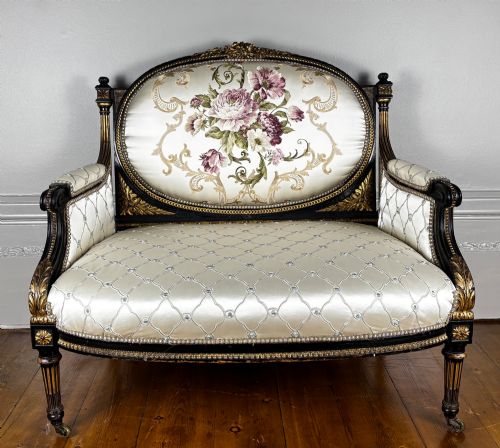
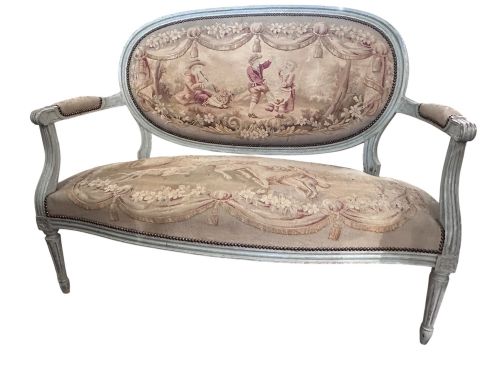
The versions most commonly met on this page date from the nineteenth century through the early twentieth century. They encompass Louis XVI style revivals, caned settees, painted frames, and giltwood pieces upholstered in textile, linen, or fabric.
Makers and workshops of these periods frequently employed walnut, beech, mahogany, or giltwood to construct frames that ranged from intimate love seats to large salon sofas. Such seating often formed part of larger salon suites or stood independently as a focal point.
Materials and construction
Frames of a fluted leg french sofa are typically fashioned from solid hardwoods such as beech, walnut, or mahogany, occasionally finished with ebonisation, parcel gilt, or paint. Caned panels utilise woven cane inserted into shaped wooden rails, while giltwood frames feature applied gold leaf over a prepared base.
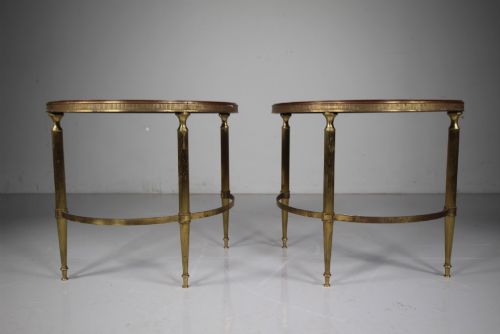
Upholstery techniques rely on traditional textiles, linen, and decorative fabrics secured to sprung or webbed bases. Brass hardware or decorative mounts occasionally accent side tables or associated salon pieces accompanying these seating forms.
Some love seats whisper of quiet nineteenth-century correspondence behind closed salon doors.
Judging quality and execution
The distinction between standard and superior examples lies in the crispness of the hand-carved fluting and the overall harmony of the neoclassical proportions. Finer frames exhibit deeper relief in the carved woodwork and more refined joinery at the corners and leg junctions.
Surface finishes also determine character, where original gilding, subtle paint ageing, or carefully ebonised wood display greater depth than later or heavy-handed restorations. The choice of covering material, from simple linen to elaborate Aubusson tapestry, further elevates the presence of the piece.
The Fluted Leg French Sofa Glossary
- Fluting
- Vertical parallel grooves carved into the shaft of a column or furniture leg. This classical detail draws the eye downward and creates a sense of ordered rhythm.
- Canapé
- A traditional French term for a long upholstered settee or sofa. These pieces typically feature open arms and exposed wooden frames.
- Giltwood
- Timber that has been decorated with a thin layer of gold leaf. It provides a luminous surface that catches candlelight and natural illumination.
- Demi lune
- Half-moon shape applied to tables or console furniture. This silhouette allows pieces to sit flush against a wall while saving floor space.
Fluted Leg French Sofa: Frequently Asked Questions
How do I clean a caned sofa?
Dust cane panels gently with a soft brush and wipe them occasionally with a damp cloth to maintain moisture in the natural fibres. Avoid harsh chemical cleaners that can dry and split the weave over time.
Ensure the room humidity remains stable to prevent the cane from becoming brittle or sagging under heavy use.
Where should I place a giltwood sofa?
Position a giltwood settee away from direct, harsh sunlight to protect both the delicate gold leaf finish and the surrounding upholstery fabrics. A formal drawing room, library, or large hallway provides an appropriate setting for such decorative seating.
Allow enough surrounding space so the carved wooden frame and fluted legs remain fully visible as a focal point.
Are these sofas comfortable for daily lounging?
These historical settees were originally designed for formal reception rooms and structured entertaining rather than casual reclining. Their upright backs and firm seating support formal posture.
Adding supportive scatter cushions can adapt the comfort level for modern living without altering the historic character of the frame.