





Fluted Glass Lights
Fluted glass lights gather and throw a bright, clean illumination through moulded ridges that catch the eye and warm a room.
Fluted Glass Lights
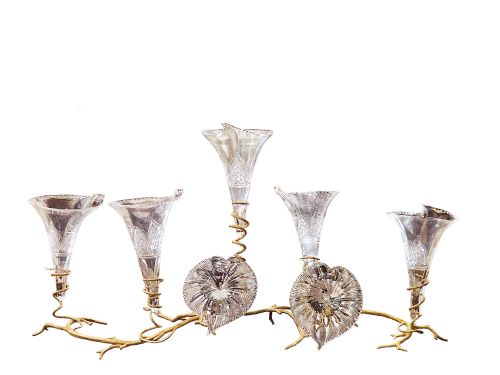
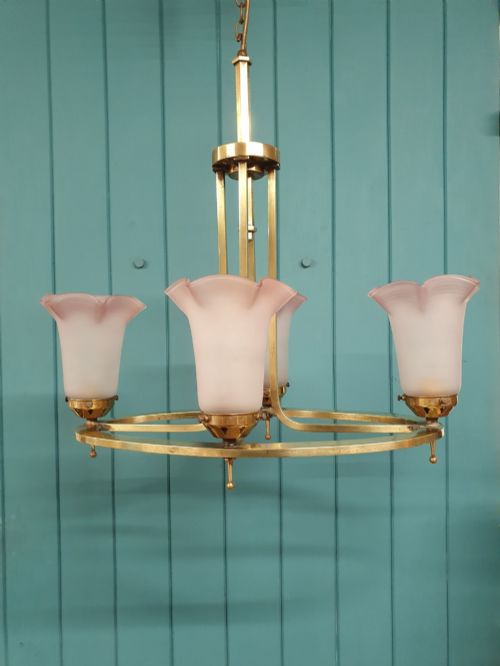
Fluted glass lights encompass a variety of domestic light fittings, from towering oil lamps to ceiling pendants and multi-bulb chandeliers. The evidence shows these pieces span the nineteenth century through the Art Deco era, bringing period character to interior spaces.
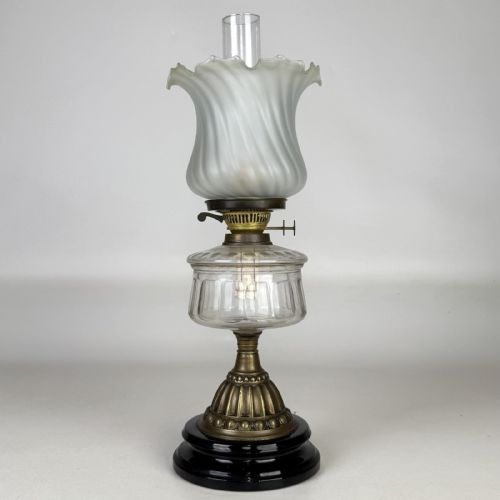
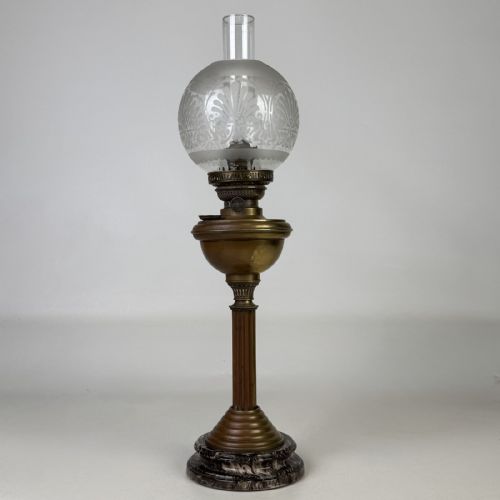
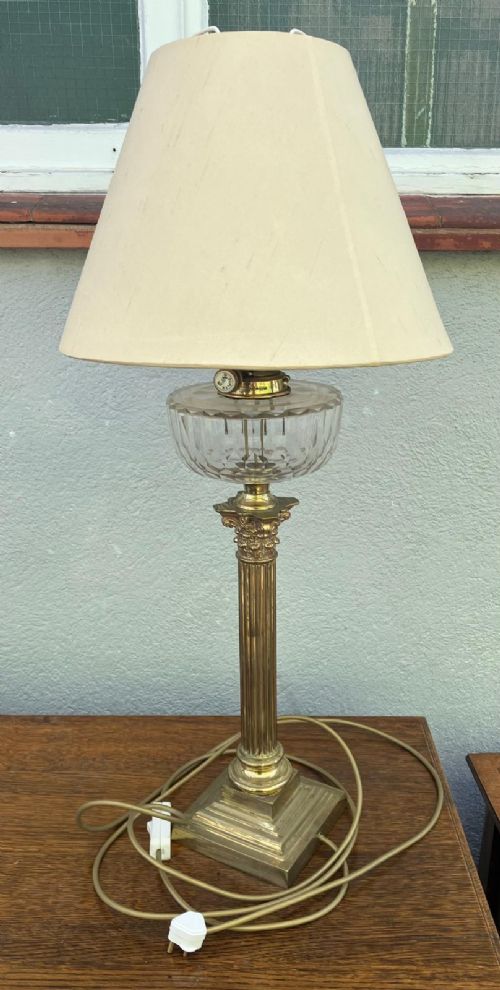
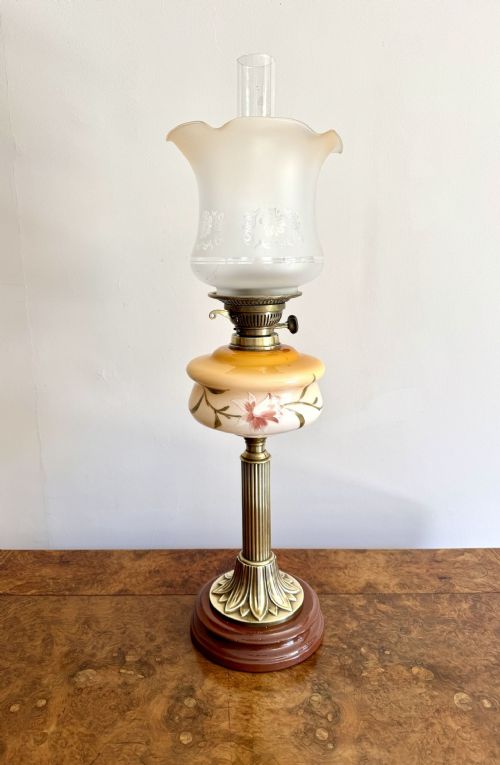
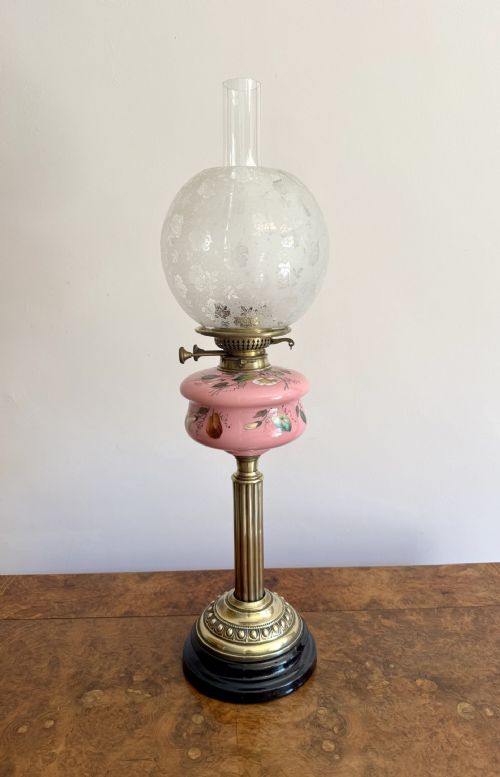
Oil lamps form a significant portion of these listings, combining heavy brass or ceramic bases with coloured glass reservoirs and shades. Pendant lights and ceiling shades also appear frequently, often featuring utilitarian or decorative glass hung from metal galleries.
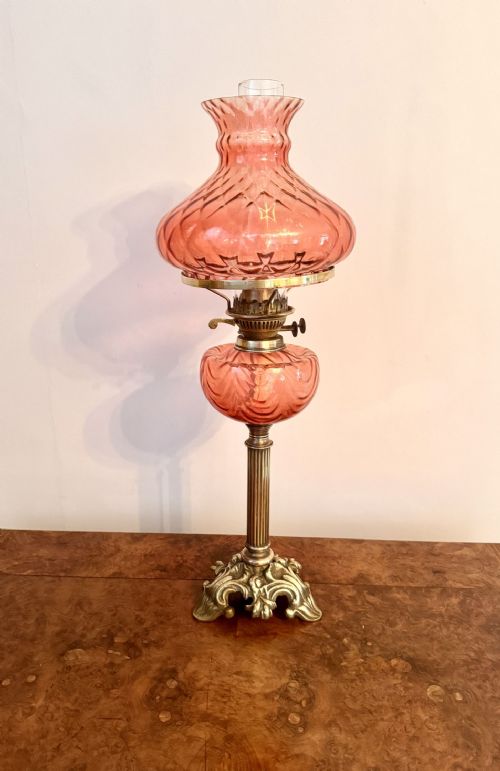
Buyers will encounter distinct Victorian and Edwardian examples alongside later Art Deco designs. Materials range from clear cut glass to rich cranberry, ruby, opaline, and moonstone glass paired with brass, bronze, and ormolu.
Materials and construction
Makers shaped the glass elements through blowing and pressing techniques, creating the characteristic vertical flutes and decorative frilled edges seen on shades and reservoirs. Coloured varieties utilised metallic oxides within the molten batch to achieve deep cranberry and ruby tones.
Metal components relied on cast brass, bronze, and ormolu, frequently fashioned into classical Corinthian columns or stepped Art Deco geometric forms. Many surviving pieces combine these metal stands with ceramic or black glass bases for stability and contrast.
Fluted Glass Lights Retail Price Guide 2026
Typical asking prices for fluted glass lights among the pieces listed under this phrase on Sellingantiques today, from the lower quarter to the upper quarter. They describe what is for sale here now, not the wider market.
Some nineteenth century oil lamps retain their original burners, whispering of evenings spent reading by paraffin flame before the grid arrived.
Judging quality in period lighting
Quality rests in the crispness of the glass moulding and the weight of the metal mounts. Superior pieces display deeply cut flutes, clear resonance in the glass, and substantial cast brass or bronze components that hold their shape securely.
The integration of materials dictates distinction, such as the seamless fit between a cut glass reservoir and its brass collar or the purity of tone in opaline and cranberry shades. Finer examples retain matching period components rather than mismatched replacement shades.
JOSEPH HINKS·MESSENGER
The Fluted Glass Lights Glossary
- Opaline glass
- Opaque white glass developed during the nineteenth century to soften harsh burner glare. It diffuses light evenly across a room.
- Gallery
- The metal ring or collar that holds a glass shade in place on a pendant light or oil lamp. It often secures the shade with thumb screws.
- Reservoir
- The container holding oil or paraffin on nineteenth century lighting before conversion to electricity. Cut glass versions refract light through the fuel chamber.
- Cranberry glass
- Transparent pink-red glass created by adding gold chloride to the molten mixture. It was widely utilised for Victorian lamp shades.
Fluted Glass Lights: Frequently Asked Questions
How do I wire an antique oil lamp?
Most antique oil lamps seen here have already been converted to electricity by passing a cord through the burner mechanism.
For unconverted examples, a professional electrician can safely run internal wiring without damaging the original brass or glass components.
Are these lights suitable for low ceilings?
Pendant lights and smaller ceiling shades sit close to the ceiling line, making them ideal for compact rooms and corridors.
Table lamps and shorter column lamps suit sideboards and desks where height clearance is not restricted.
How do I clean antique opaline glass?
Warm water and mild soap remove dust and everyday grime safely from smooth and fluted glass surfaces.
Avoid harsh abrasives or soaking metal mounts and galleries alongside the glass to protect the original patination.
What is the difference between Victorian and Art Deco lights?
Victorian lighting typically incorporates ornate brass columns, frilled cranberry shades, and classical revival motifs.
Art Deco pieces favour geometric lines, stepped or shell-shaped bases, and streamlined chrome or ormolu fittings.