



Fluted Garden Pedestal
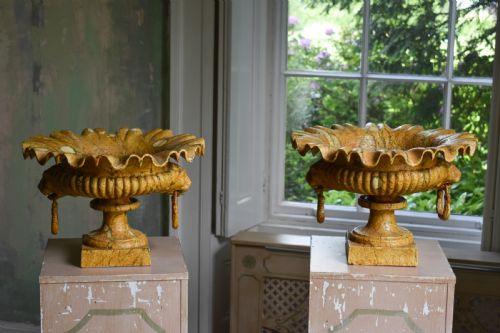
These pieces for a fluted garden pedestal bring classical line and height to a terrace, lifting urns, sundials and statues into the open air.
Fluted Garden Pedestal
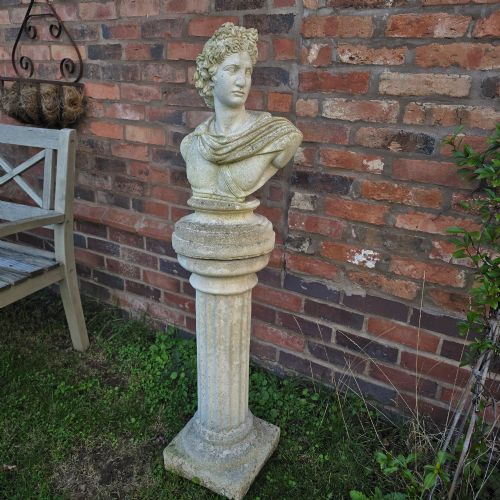
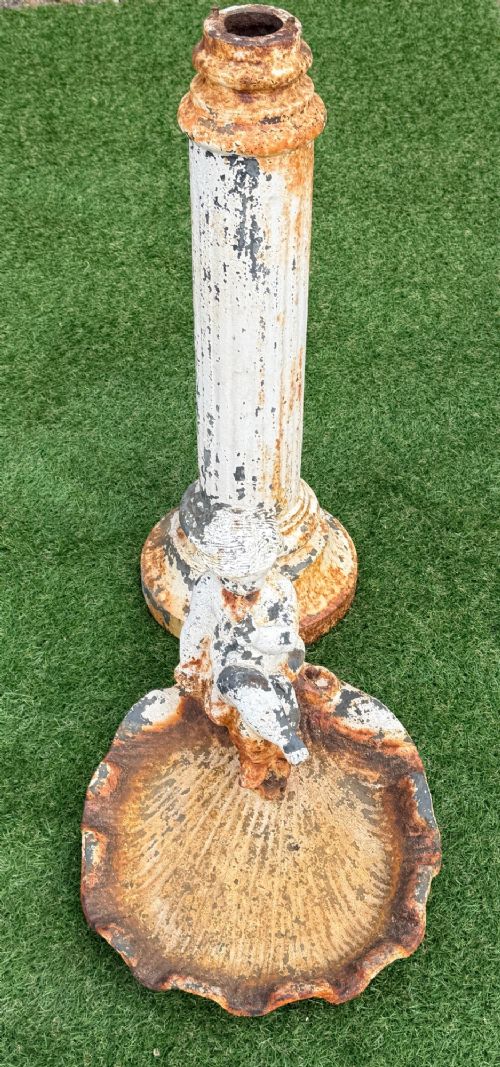
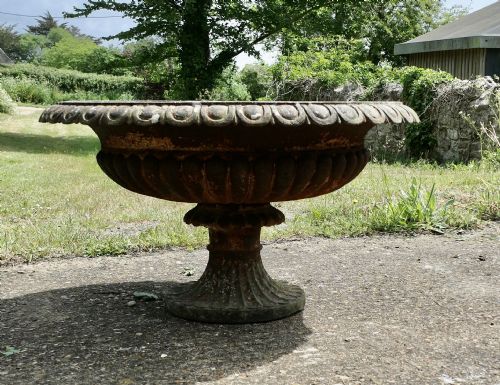
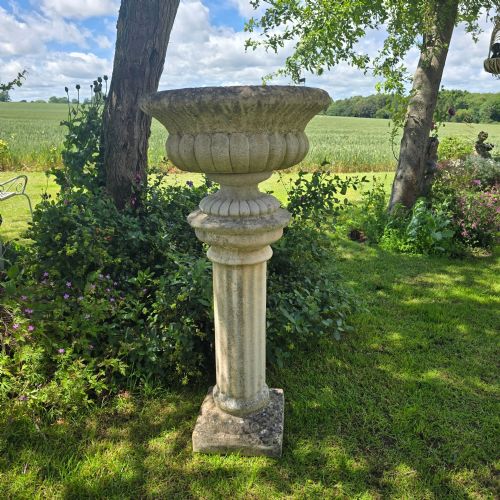
A fluted garden pedestal provides a raised stone or iron column designed to support garden ornaments, urns and statuary. When you search for a fluted garden pedestal, you encounter architectural supports ranging from carved stone columns to cast iron stands.
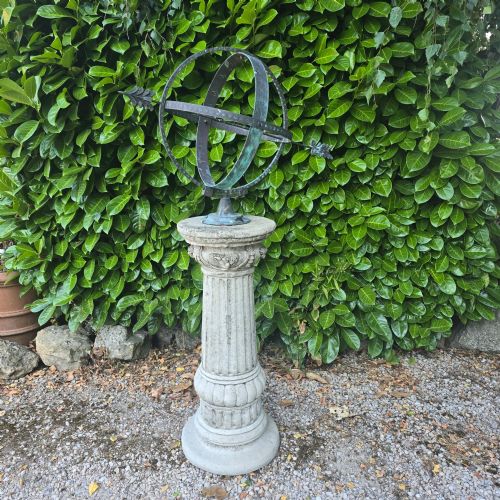
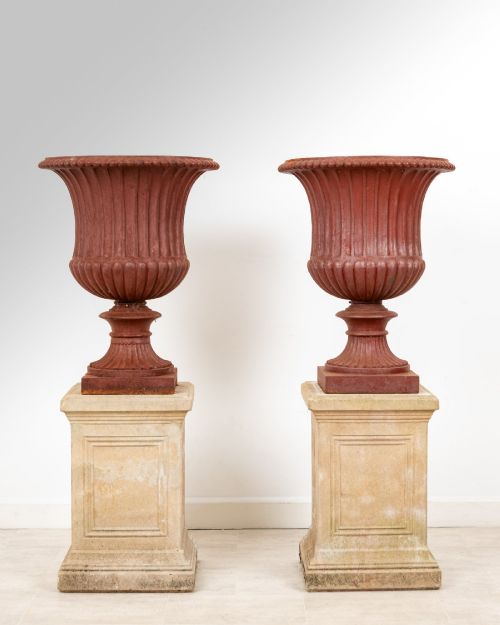
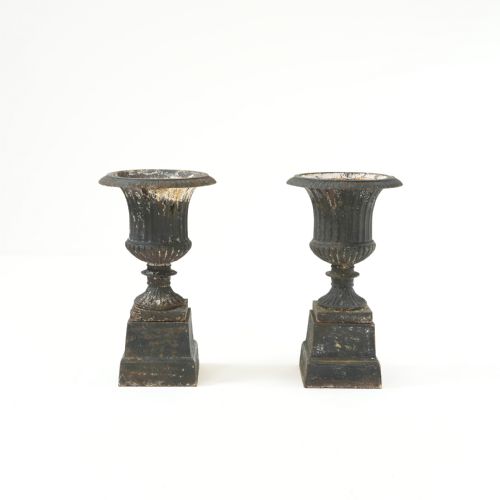
The versions most commonly met on this page date from the nineteenth century into the early twentieth century. They often appear paired with campana urns, bird baths or armillary spheres.
Makers and foundries from the Victorian, Regency and Georgian periods produced these architectural elements for formal gardens and grounds. Their forms draw heavily on neoclassical design principles, featuring vertical fluting and sturdy plinths.
Quality factors
The definition in the fluting and the crispness of the cast or carved detail determine the visual strength of the piece. Heavy, dense metals and solid stones provide superior stability compared to lighter compositions.
Proportions between the supporting column and the mounted urn or statue affect the overall balance. Original weathering and surface patina accumulate naturally over time, distinguishing genuine period examples from later replacements.
Fluted Garden Pedestal Retail Price Guide 2026
Typical asking prices for fluted garden pedestal among the pieces listed under this phrase on Sellingantiques today, from the lower quarter to the upper quarter. They describe what is for sale here now, not the wider market.
Materials across these listings span cast iron, natural stone, Italian marble and reconstituted stone.
Andrew Handyside
The Fluted Garden Pedestal Glossary
- Campana urn
- A bell-shaped garden vessel often mounted atop a pedestal. This classic shape originates from antiquity and remains popular in garden design.
- Plinth
- The base block upon which a column, pedestal or statue rests. It provides a stable footing on uneven ground.
- Armillary sphere
- A skeletal model of celestial spheres, frequently set on a column or pedestal as a garden sundial. It tracks time using the sun's shadow.
- Tazza
- A shallow cup or basin on a pedestal, sometimes utilised as a garden ornament or basin. Italian marble examples appear in classical layouts.
- Reconstituted stone
- A composite material made from crushed stone bound with cement, moulded into architectural shapes. It mimics the appearance of natural carved stone.
Fluted Garden Pedestal: Frequently Asked Questions
What goes on a garden pedestal?
Garden urns, statues, bird baths and armillary spheres sit securely on top of these columns. They elevate focal points above surrounding planting.
Pairs often frame doorways or paths, while single pedestals highlight specific garden sculptures or sundials.
Are these pedestals weather resistant?
Cast iron, stone and reconstituted stone naturally withstand outdoor conditions throughout the seasons. Rain and frost gradually alter the surface finish.
Heavier pieces require no additional securing, remaining stable on firm ground through high winds.
How do I date a stone column?
Tool marks, weathering depth and material composition indicate the manufacturing period. Nineteenth-century examples display hand-finished details distinct from later machine work.
Stylistic cues such as neoclassical fluting align with Victorian, Regency or Georgian design standards.
Can iron pedestals be painted?
Cast iron pieces frequently feature protective painted surfaces that require occasional upkeep. Traditional paint formulations shield the metal from moisture.
Patina builds up over decades, and many collectors prefer the weathered appearance of unpainted or aged surfaces.