



Fluted Cut Glass
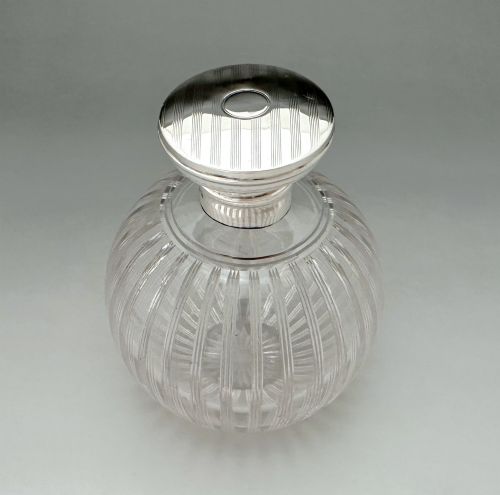
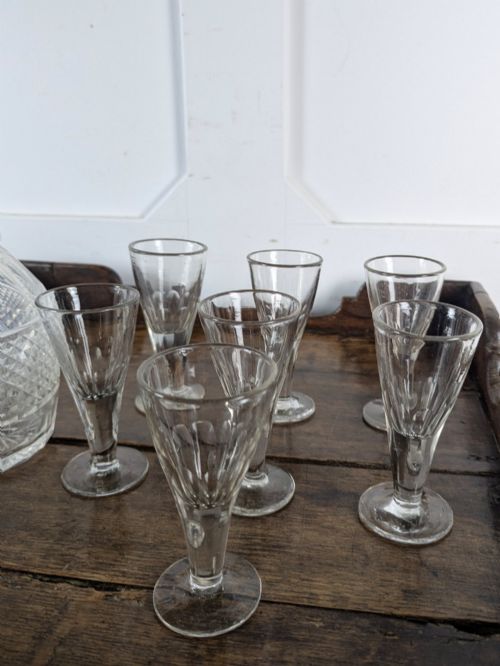
Fluted cut glass brings tactile brilliance to the table through deep vertical facets that catch every flicker of light.
Fluted Cut Glass
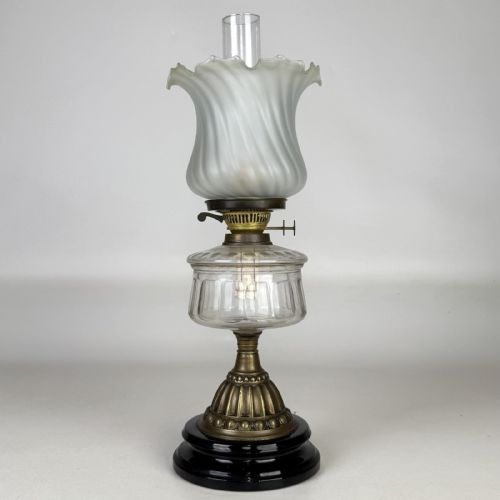
When you search for fluted cut glass, you encounter functional serving vessels and decorative objects designed to manipulate light through precision-ground vertical channels. The selection spans distinct eras, moving from Georgian and Regency forms through Victorian exuberance to Edwardian and Art Deco designs.
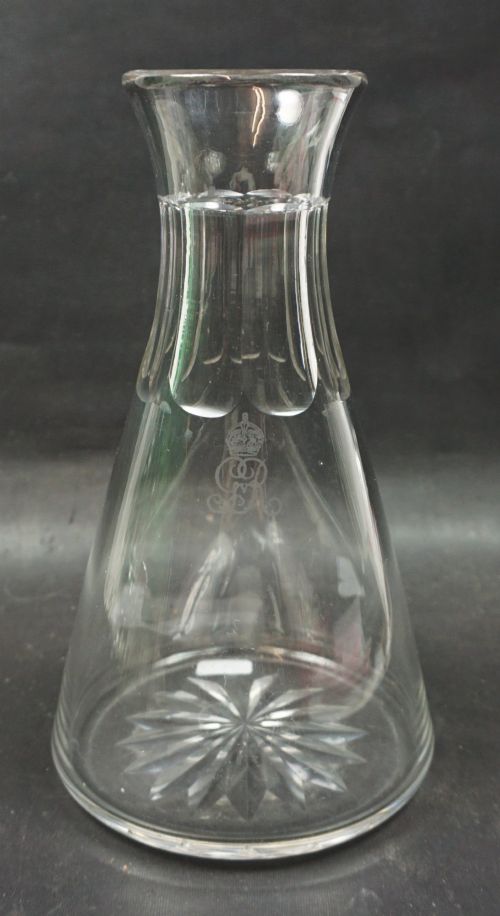
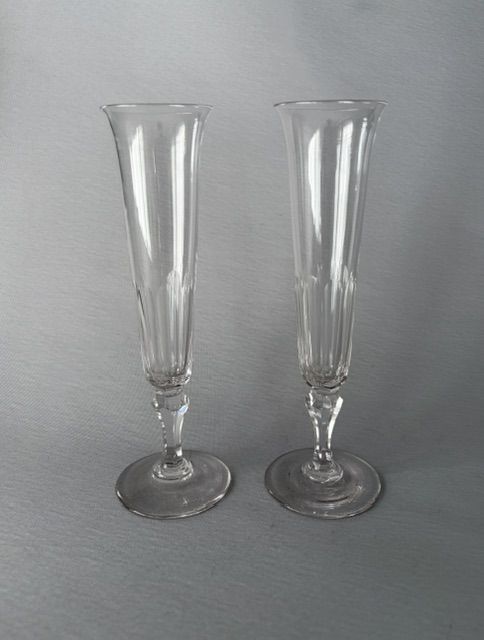
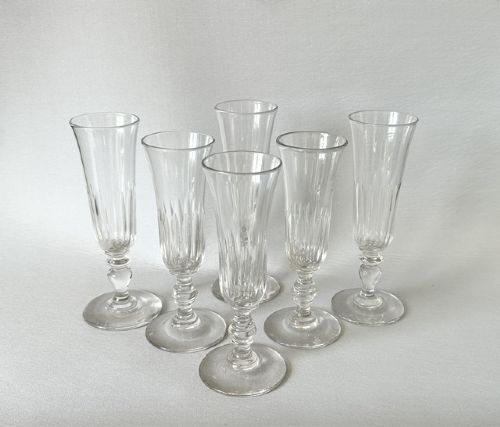
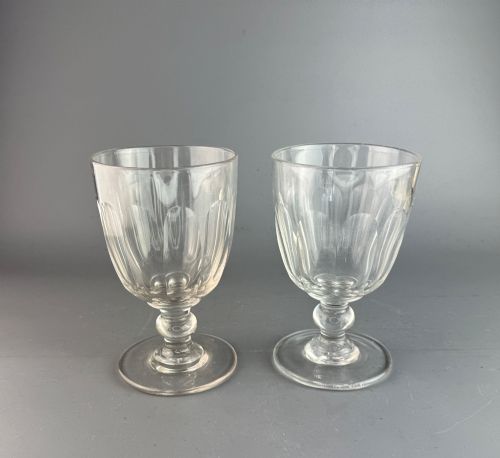
Decanters, carafes, rummers, champagne flutes, jelly glasses, table lamps, and scent bottles dominate the forms on this page. These pieces originate from periods including the Regency, Victorian, and Edwardian eras, alongside pieces marked by twentieth-century movements such as the Vienna Secession.
The most common survival from these periods is the glass decanter, often accompanied by drinking glasses and lighting components featuring vertical flutes. Each object demonstrates how makers applied linear cutting to hollowware and flat surfaces to achieve texture and refractive depth.
Materials and construction
The pieces on this page are formed from lead glass, lead crystal, clear glass, and cut crystal, providing the heavy substance and high refractive index necessary for sharp facet cutting. Artisans shaped these glass bodies before applying wheel-cut flutes, thumb-cuts, and facet-cut stems.
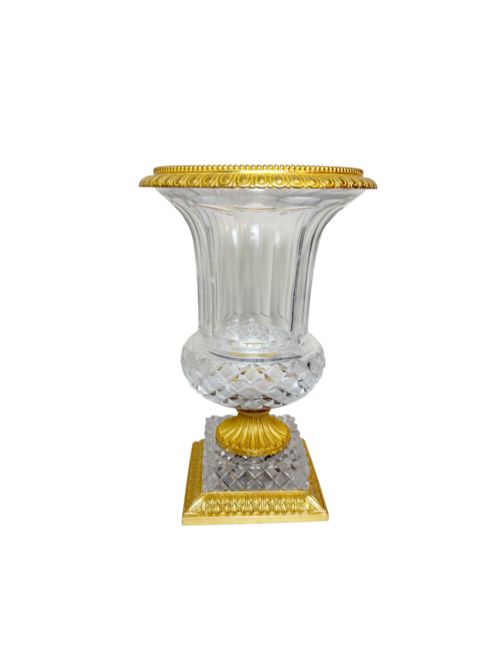
Many items incorporate secondary materials to complement the glass work, notably sterling silver, silver gilt, brass, or ormolu mounts, collars, and handles. These metal elements were fastened to decanters, perfume bottles, spirit flasks, and table lamps to provide structural support and ornamental contrast.
Fluted Cut Glass Retail Price Guide 2026
Typical asking prices for fluted cut glass among the pieces listed under this phrase on Sellingantiques today, from the lower quarter to the upper quarter. They describe what is for sale here now, not the wider market.
Distinctions in quality
Quality in these objects rests upon the precision and depth of the wheel-cutting, where crisp, uniform flutes demonstrate superior craftsmanship over shallow or rounded grooves. The clarity and weight of the underlying lead crystal or glass body also determine the piece's resonance and ability to refract light.
The integration of secondary materials defines the upper tier of the range, such as fully hallmarked silver mounts, solid silver-gilt work, or finely chased ormolu and brass fittings. Harmonious proportions between the cut glass reservoir and its metal or ceramic base separate standard utility items from exceptional decorative commissions.
Hukin and Heath·Moser·Otto Prutscher
The Fluted Cut Glass Glossary
- Flute
- A vertical, concave groove cut into the surface of glassware. This technique creates parallel channels that enhance the refractive qualities of the glass.
- Thumb-cut
- A shallow, circular depression ground into the glass body. It provides a tactile grip for the hand when holding heavy vessels like rummers or flagons.
- Rum decanter
- A heavy-based bottle produced during the Georgian and Regency periods. These vessels feature wide bases for stability on ships or dining tables.
- Ormolu
- Gilded bronze used for mounts and bases in decorative objects. It provides a rich metallic contrast to clear cut glass.
- Wiener Werkstätte
- A production community of artists and craftsmen established in Vienna. They focused on modernist design principles during the early twentieth century.
Fluted Cut Glass: Frequently Asked Questions
How do I date a cut glass decanter?
Dating relies on the shape of the body, the profile of any neck rings, and the form of the stopper. Earlier Georgian and Regency decanters often feature three distinct neck rings and heavier proportions.
Later Victorian and Edwardian examples introduce more varied silhouettes, sometimes accompanied by silver mounts bearing assay office hallmarks and date letters.
What is the difference between lead crystal and standard glass?
Lead crystal contains a proportion of lead oxide, which increases the weight, softness for cutting, and refractive index of the material. This composition allows artisans to cut deeper, sharper facets that scatter light more intensely than standard soda-lime glass.
Pieces made from lead crystal also produce a clear, sustained ring when gently struck.
Can I use antique cut glass decanters for serving wine?
Antique decanters are safe for serving wine provided they are cleaned gently without harsh abrasives. Many collectors use them regularly for contemporary dining.
Care should be taken with pieces featuring sterling silver or silver-plated mounts to ensure those metals are not immersed in harsh cleaning solutions.
What are thumb-cut flutes?
Thumb-cuts are distinct concave indentations ground into the exterior of drinking vessels and decanters. They were shaped to fit the human thumb and fingers securely.
This technique offered a practical grip when handling heavy lead glass items during nineteenth-century dinner parties.