

Fluted Console Table
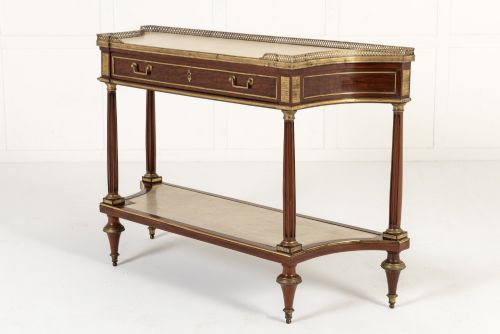
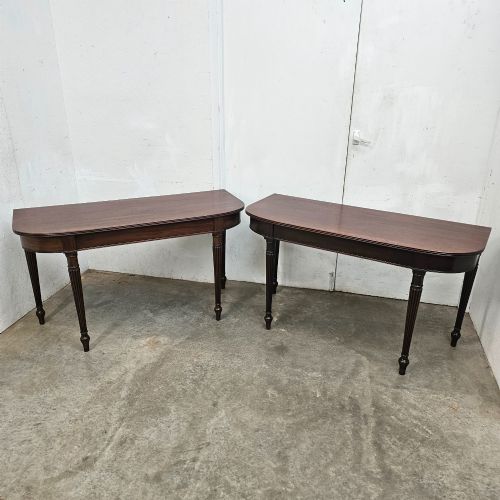
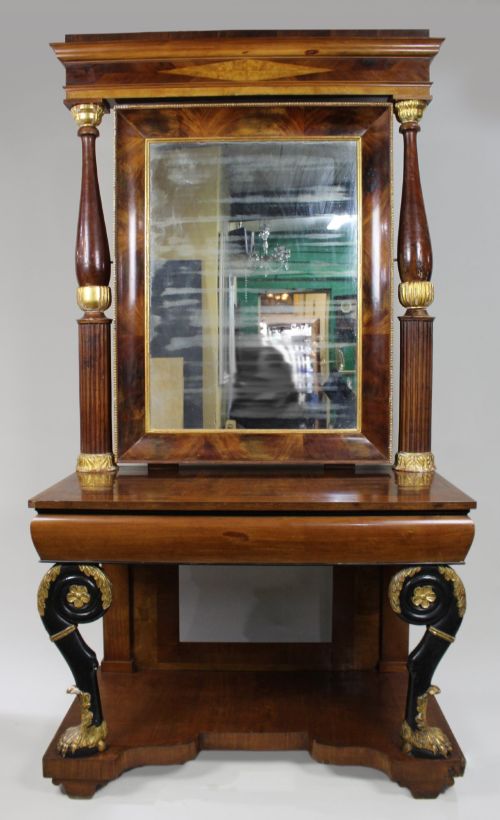
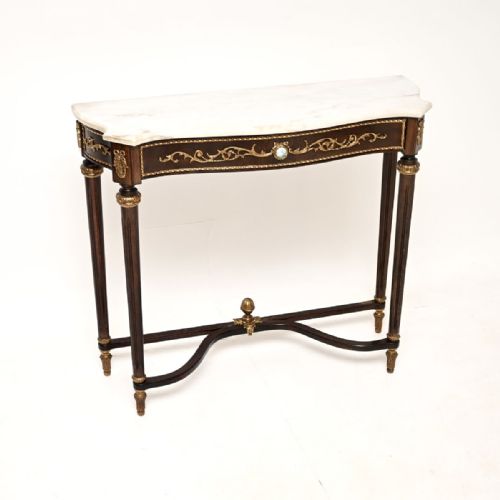
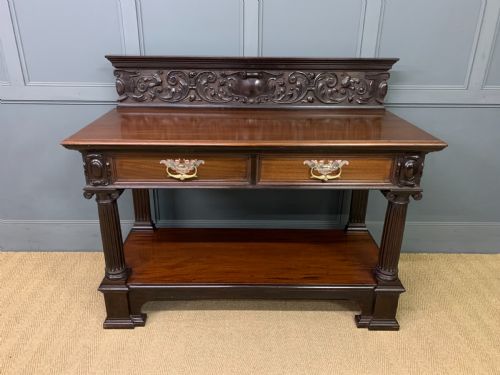
A fluted console table brings architectural rhythm and refined surface space to a hallway, sitting room or drawing room.
Fluted Console Table
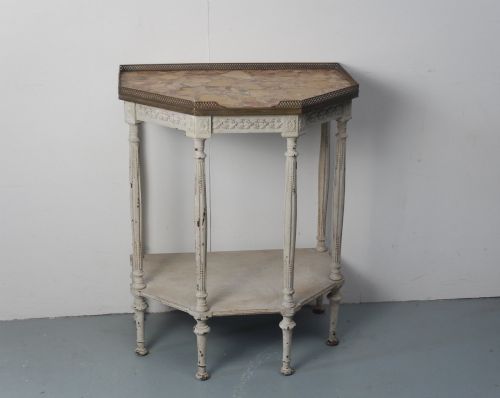
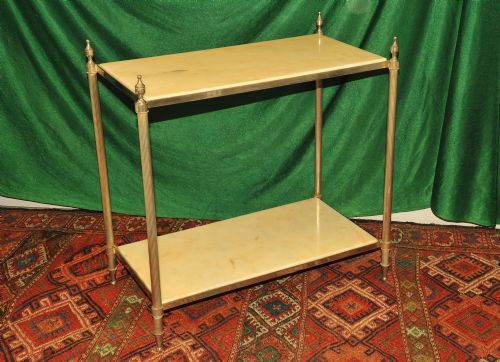
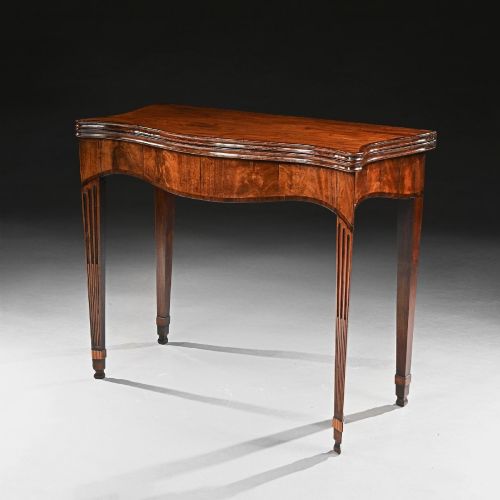
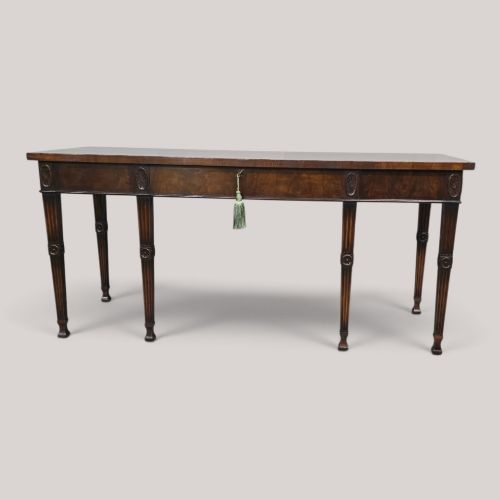
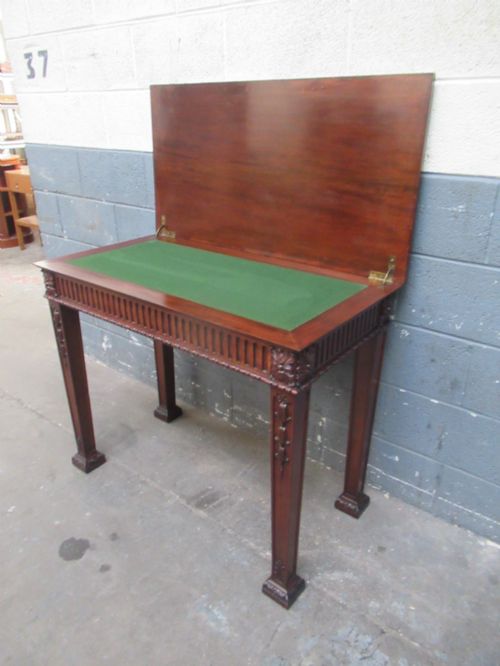
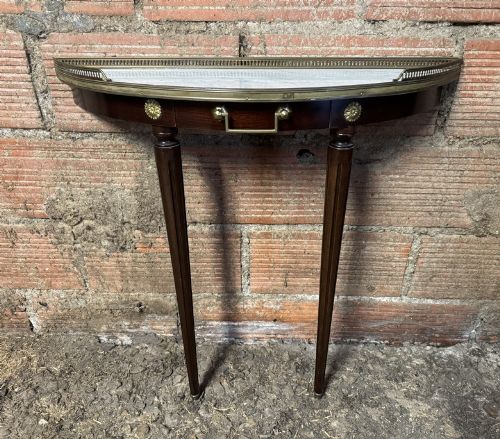
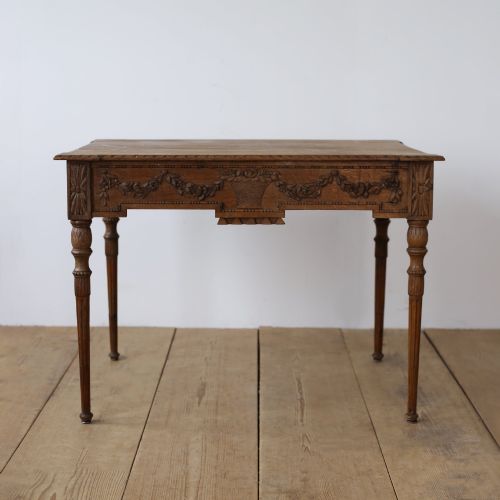
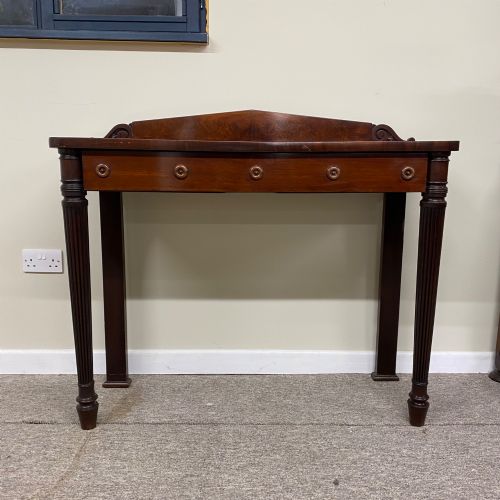
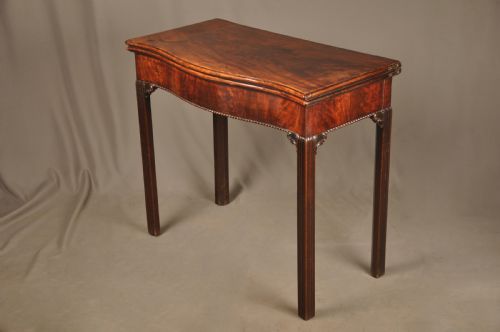
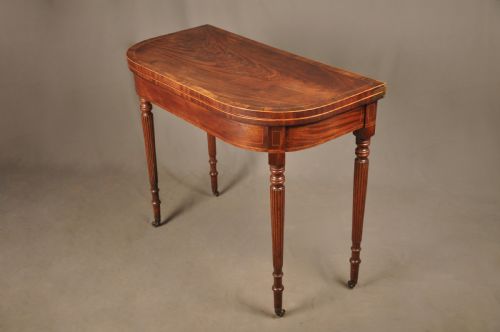
A fluted console table is an architectural piece designed to sit flush against a wall, frequently appearing in the listings alongside related forms such as side tables, serving tables and card tables. The examples met on this page span several centuries, reaching from the 18th century and the Regency era through to the Victorian period, Edwardian years and the 1930s.
These tables display stylistic influences ranging from Georgian and George III to Neoclassical, Adam, Sheraton and French Louis XVI. Forms vary from serpentine and breakfront shapes to demi-lune designs, often incorporating pier mirrors or folding tops intended for games and writing.
How They Were Made
Cabinetmakers utilised robust timber carcasses, predominantly relying upon mahogany, rosewood, walnut, oak and painted wood. Surfaces were frequently enriched with intricate inlays, parcel gilt details, crossbanding in burr yew, and leather inserts for writing surfaces.
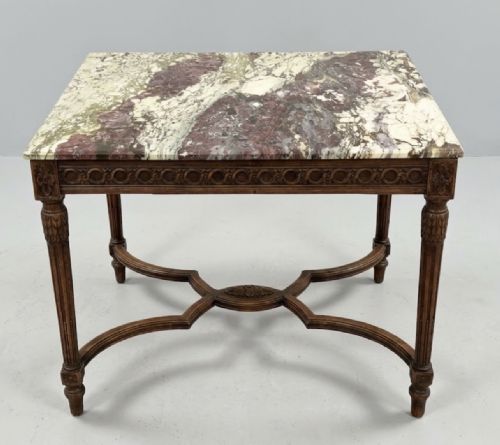
Many of these tables are finished with heavy slab tops in various marbles, including Breccia Medicea violetta and rouge varieties. Structural carving and applied mouldings define the decorative vocabulary of the Neoclassical and Adam styles seen across the inventory.
Fluted Console Table Retail Price Guide 2026
Typical asking prices for fluted console table among the pieces listed under this phrase on Sellingantiques today, from the lower quarter to the upper quarter. They describe what is for sale here now, not the wider market.
The listings demonstrate a strong preference for 18th-century and 19th-century mahogany, alongside Edwardian and 1930s variations in oak and painted wood.
What Varies in Quality
The standard of carving and the crispness of the fluting on the timber legs set the finer examples apart from simpler commercial productions. Hand-chiselled detailing and balanced proportions indicate superior craftsmanship.
The selection of timber grain, particularly figured mahogany or rosewood, alongside the quality of imported marble tops, dictates the overall presence of the table. Original painted surfaces and patination earned through age elevate the standing of a piece.
The Fluted Console Table Glossary
- Demi-lune
- Having a half-moon shape with a curved front and a flat back designed to stand against a wall. This profile is common amongst console and side tables.
- Serpentine
- A curved outline composed of a convex centre flanked by concave sides, or vice versa. It adds fluid movement to the front elevation of a table.
- Crossbanding
- A border strip of veneer laid on the edge of a table top with the grain running perpendicular to the main surface. This technique frames the primary timber.
- Parcel gilt
- Partially gilded with gold leaf to highlight specific carved details or mouldings. It creates a subtle contrast against dark hardwoods.
Fluted Console Table: Frequently Asked Questions
Where should a console table go?
A console table is traditionally positioned in an entrance hall or against a blank wall in a principal reception room. Its shallow depth ensures it occupies minimal floor space while providing a useful surface for lamps and decorative objects.
Pairs of demi-lune tables are frequently deployed to frame doorways or fireplaces, creating a balanced focal point within an interior scheme.
How do I date an antique table?
Dating relies upon examining the timber species, construction methods, and stylistic vocabulary. The presence of specific motifs like Adam-style husks or Regency brass mounts points directly to particular periods.
Secondary woods used in the interior framing, such as oak or pine, also offer strong clues regarding the geographic origin and era of manufacture.
Can these tables be used for dining?
Console tables are generally too narrow for dining purposes, though card tables and serving tables offer alternative functions. Serving tables were historically built to hold heavy dishes during formal meals.
Many period tables feature fold-over tops that transform a slim console into a baize-lined gaming surface when required.
What is the difference between a console and a side table?
A console table is specifically designed to be secured against a wall, sometimes relying on front legs while the rear is fastened for stability. Side tables are free-standing items of furniture with four complete legs.
In historical listings, the terms frequently overlap depending on the proportions and intended placement of the piece.