



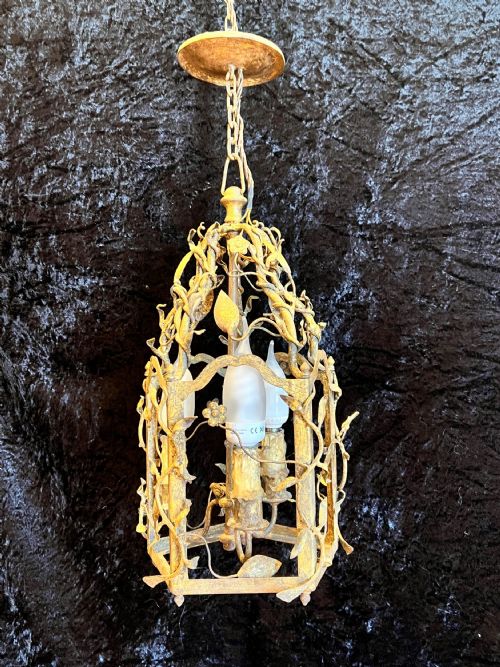

Florentine Gilded Light Pendant
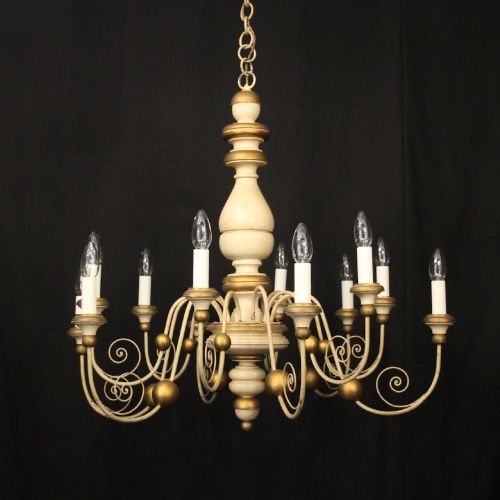
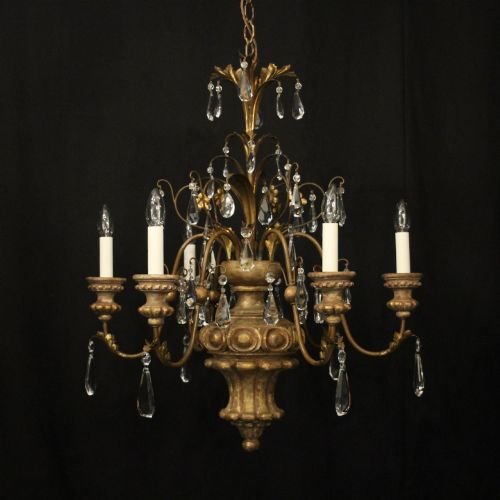
Florentine gilded light pendant fixtures bring dramatic Italian style and luminosity into a room, combining ornate carved forms with rich metallic finishes.
Florentine Gilded Light Pendant
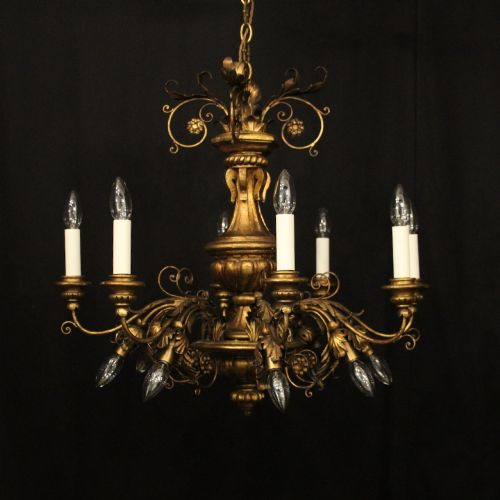
A florentine gilded light pendant search uncovers hanging illumination drawing heavily on Italian aesthetics, predominantly represented by multi-light chandeliers and hanging lanterns. These fixtures span periods from the eighteenth century through the Edwardian era and into the early decades of the twentieth century, with 1920 and 1930 examples appearing frequently.
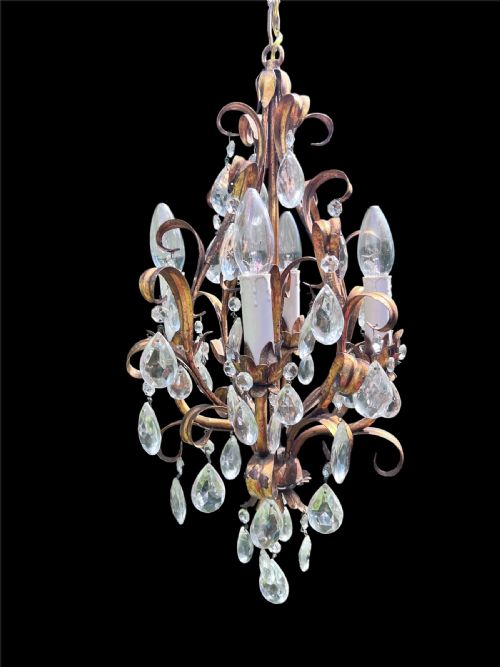
The objects take diverse forms, from compact three-light lanterns to sprawling twenty-four-light double-tiered chandeliers. Styles range through Florentine, Italian Baroque, Rococo Revival, and French Chateau, demonstrating significant cross-cultural design influences during their respective periods of creation.
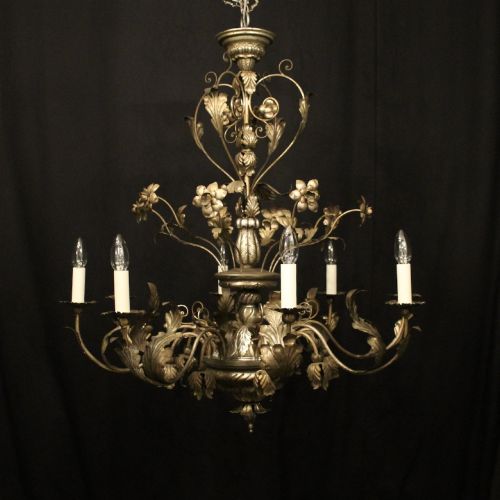
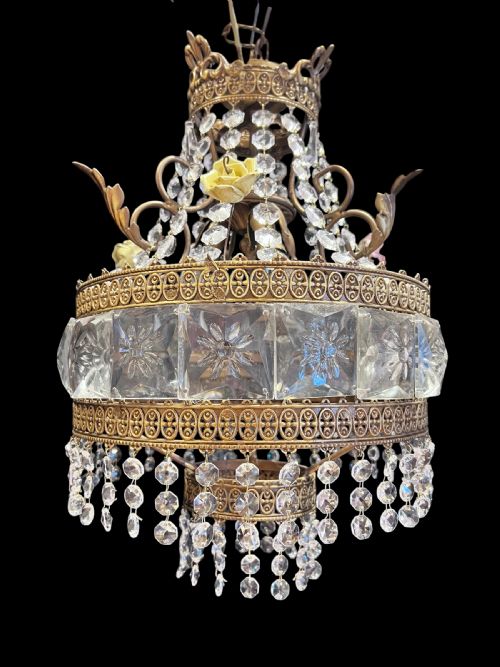
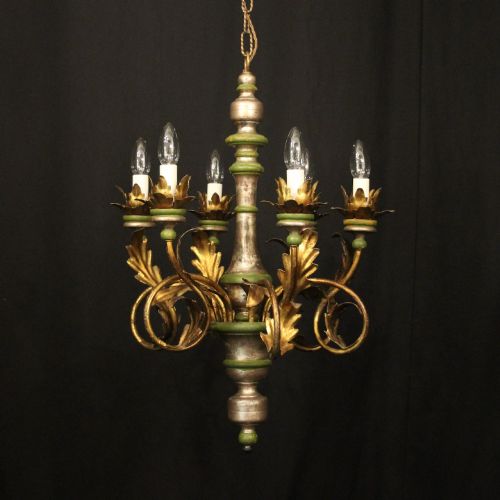
Most pieces rely on traditional Italian craftsmanship, utilising carved wooden frames, wrought iron, and metallic structures finished in gold leaf or polychrome paint. Buyers encounter everything from simple rustic iron lanterns to elaborate floral and glass-drop creations.
Materials and Construction Techniques
Makers constructed these fixtures using robust core materials such as giltwood, carved wood, wrought iron, and general gilt metal. Artisans applied gold leaf or polychrome finishes directly to the carved surfaces to achieve the characteristic radiant appearance.
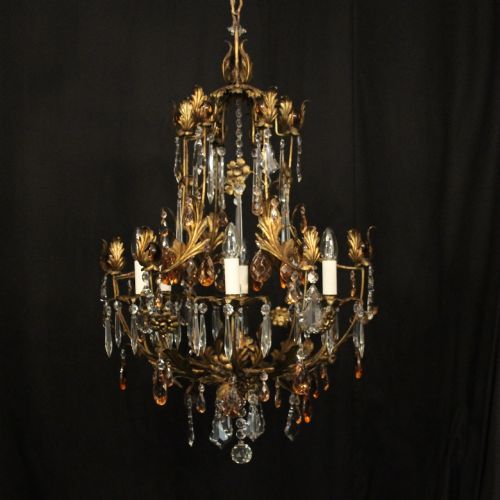
Crystal and glass drops frequently adorn the metal frames, suspended to catch and refract the illumination from multiple bulbs. Porcelain flowers and beaded elements also appear in specific iterations, adding intricate botanical detail to the metallic structures.
Florentine Gilded Light Pendant Retail Price Guide 2026
Typical asking prices for florentine gilded light pendant among the pieces listed under this phrase on Sellingantiques today, from the lower quarter to the upper quarter. They describe what is for sale here now, not the wider market.
Some adventurous chandeliers incorporate colourful glass drops that cast stained-glass reflections across the ceiling when illuminated.
Qualities That Separate the Best Examples
The distinction between standard and superior pieces rests on the complexity and depth of the carved work and the richness of the gilding. Hand-carved giltwood frames with nuanced polychrome details and extensive crystal arrangements demand greater artisanal skill than plain metal frameworks.
Scale and ambition also dictate the standing of a piece, with multi-tiered structures holding twelve to twenty-four lights representing a more substantial design effort than smaller three or five-light configurations. The integration of delicate elements like porcelain flowers further elevates the visual complexity of the fixture.
The Florentine Gilded Light Pendant Glossary
- Giltwood
- Wood that has been treated with gold leaf or a gold-coloured finish. This material forms the carved structural base for many traditional Florentine chandeliers.
- Polychrome
- Decorated in multiple colours. This technique appears on specific gilded chandeliers to highlight floral or carved wooden details.
- Crystal
- High-clarity glass cut into facets to refract light. These drops and beads hang from the arms and bobeches of ornate Italian light fixtures.
- Wrought iron
- Iron shaped by heating and hammering. It provides a sturdy structural framework for rustic Italian lanterns and heavy multi-light chandeliers.
Florentine Gilded Light Pendant: Frequently Asked Questions
Where do florentine gilded light pendant fixtures work best?
These decorative fixtures suit high ceilings in principal rooms such as dining spaces, hallways, or drawing rooms where their size and illumination can be fully appreciated.
Their ornate metallic finishes and crystal elements also complement traditional period interiors or eclectic modern spaces needing a strong focal point.
How do I identify an 18th century piece from a 1930s reproduction?
Earlier pieces typically show deep, hand-carved wooden structures with authentic wear patterns in the gold leaf and gesso layers beneath. Later twentieth-century interpretations often utilise different joining techniques and machine-finished components.
Examining the metal fixings, wiring channels, and the specific style of the giltwood carving helps clarify the exact manufacturing period.
What is the difference between a chandelier and a hanging lantern?
Chandeliers branch out into multiple arms designed to hold several exposed light bulbs or candles, often arranged in single or double tiers. Hanging lanterns enclose the light source within a structured frame of glass and metal or carved wood.
Both serve as pendant illumination but offer distinct silhouettes depending on the room's proportions and lighting requirements.
How are these delicate fixtures cleaned safely?
Dusting the structure regularly with a soft, dry brush prevents dirt accumulation on the delicate gilt surfaces and crystal droplets. Avoid using harsh chemical cleaners that might strip the gold leaf or damage the polychrome painted details.
For thorough cleaning, individual crystal drops can sometimes be removed and washed gently in warm soapy water before being dried and reattached.