

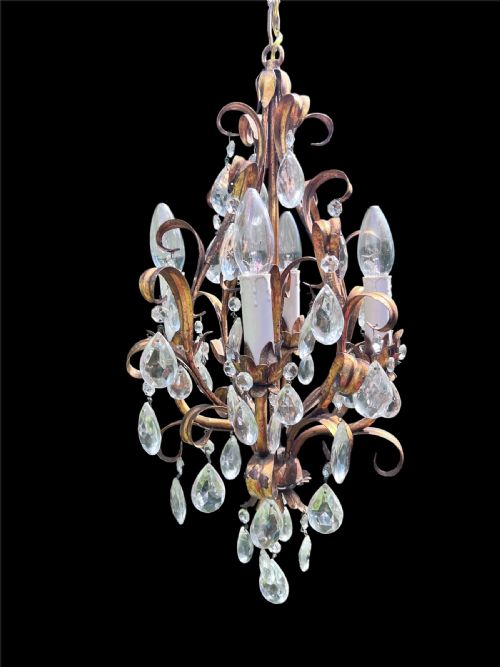


Florentine Crystal Light Fixture
These florentine crystal light fixture examples bring genuine Italian lighting traditions into a room, offering striking illumination through ornate metalwork and glass drops.
Florentine Crystal Light Fixture
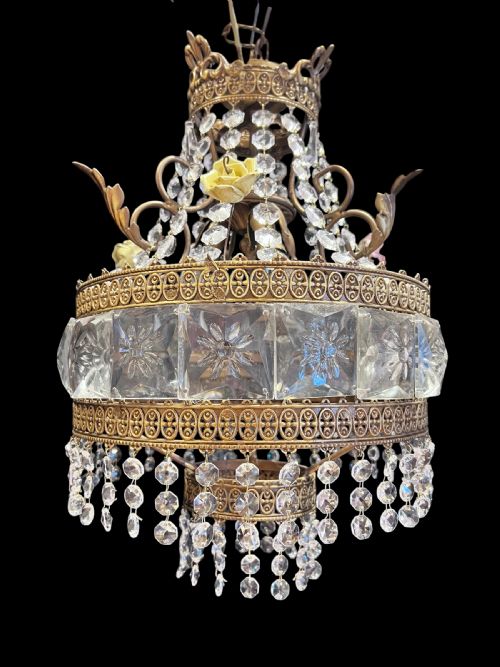
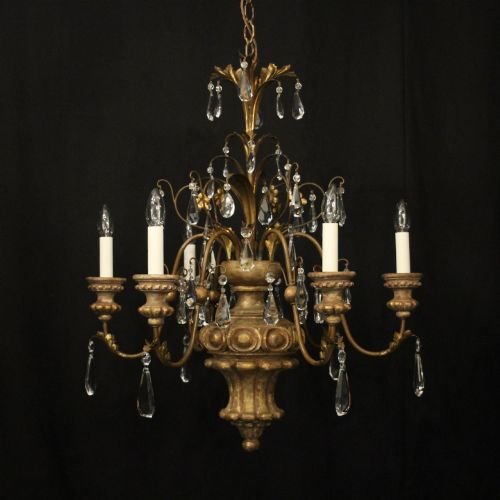
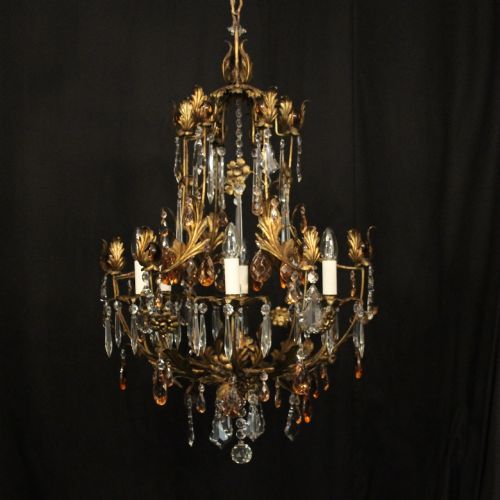
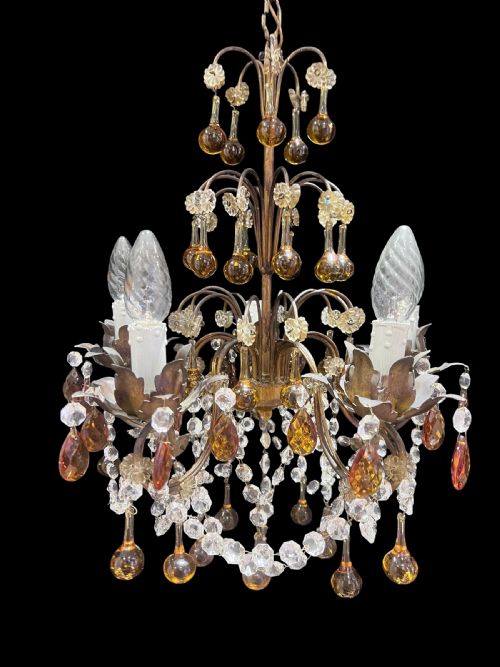
A florentine crystal light fixture typically takes the form of a multi-light chandelier or pendant light, originating from Italy during the early twentieth century. Buyers seeking these pieces encounter ornate metal frameworks decorated with glass drops, beads, and botanical elements.
The options visible here span several decades from 1900 to 1930, capturing the late antique and baroque revival tastes. Common configurations range from compact three-light versions up to grand eighteen-light double-tiered arrangements.
Many examples embrace distinct regional aesthetics such as Italian Florentine and Italian Rococo styles. These pieces function as dramatic centrepieces, bringing historical character and layered illumination to high-ceilinged interiors.
Materials and construction methods
Construction relies heavily on gilt metal, brass, and iron frames that provide a sturdy armature for numerous light points. Artisans applied surface treatments including silver gilding and polychrome paint to achieve rich decorative finishes.
Suspended glass and crystal elements catch and refract the light, sometimes incorporating coloured fruits or porcelain flowers into the design. Metal leafy motifs and gilded wood elements are frequently integrated into the overall framework.
Florentine Crystal Light Fixture Retail Price Guide 2026
Typical asking prices for florentine crystal light fixture among the pieces listed under this phrase on Sellingantiques today, from the lower quarter to the upper quarter. They describe what is for sale here now, not the wider market.
The selection includes both single pendant lights and massive eighteen-light double-tiered chandeliers showcasing Italian Baroque styles.
Factors defining quality in these fixtures
Quality reveals itself in the complexity of the metal armature and the richness of the gilding. Finer examples display deeply detailed gilt leaf work and substantial iron or bronze frames rather than simpler pressed sheet metal.
The composition of the hanging elements also separates standard pieces from exceptional ones. The inclusion of hand-shaped porcelain flowers, coloured fruits, and precision-cut crystals indicates higher workshop standards.
The Florentine Crystal Light Fixture Glossary
- Chandelier
- A branched ornamental light fixture designed to be suspended from the ceiling. These fixtures support multiple light bulbs or candles across single or double tiers.
- Gilt metal
- Metal that has been coated with a thin layer of gold leaf or gilt paint. This finish provides a warm, reflective surface characteristic of antique Italian lighting.
- Coloured crystal
- Glass components tinted in various hues and cut to refract light. They add vibrant splashes of colour to the fixture when illuminated.
- Polychrome
- A decorative scheme employing multiple colours on a single surface. This technique highlights carved details like leaves and floral motifs.
- Pendant light
- A single light fixture suspended from the ceiling by a cord, chain, or rod. These serve as more compact alternatives to large chandeliers.
Florentine Crystal Light Fixture: Frequently Asked Questions
How do I clean a crystal chandelier?
Maintenance requires gentle cleaning with a soft cloth and a mild glass cleaning solution applied directly to the cloth rather than the fixture. This prevents moisture from damaging the delicate gilt metal surfaces and wiring.
Taking time to wipe each crystal and glass drop individually preserves the brilliance and sparkle of the piece. Regular dusting helps prevent grime buildup on the intricate leafy metalwork.
What ceiling height do I need?
These fixtures require adequate vertical clearance, particularly multi-tiered or eighteen-light versions that hang down substantially into a room. Rooms with standard lower ceilings benefit from simpler pendant lights or smaller three-light options.
Positioning the base of the fixture well above head height ensures safe movement underneath while maintaining visual balance. Dining tables and entrance halls offer ideal hanging spots where lower placement is acceptable.
How do I date an antique chandelier?
Dating relies on examining the construction techniques, wiring types, and stylistic indicators present in the metalwork and glass. Pieces from the early decades of the twentieth century often combine antique revival styles with specific mounting hardware.
Comparing the specific decorative motifs, such as porcelain flowers or coloured fruit drops, helps align the piece with documented periods like 1910 or 1930. Structural examination of the gilt metal frame reveals manufacturing clues from the era.
Can these fixtures support modern bulbs?
Most antique fixtures accommodate modern electrical standards with appropriate rewiring carried out by a qualified professional. Low-heat LED bulbs work well to protect vintage glass and delicate painted surfaces from thermal stress.
Consulting an electrician ensures the internal wiring safely handles current household electrical loads. Warm white bulbs help replicate the soft glow originally intended for these decorative pieces.