

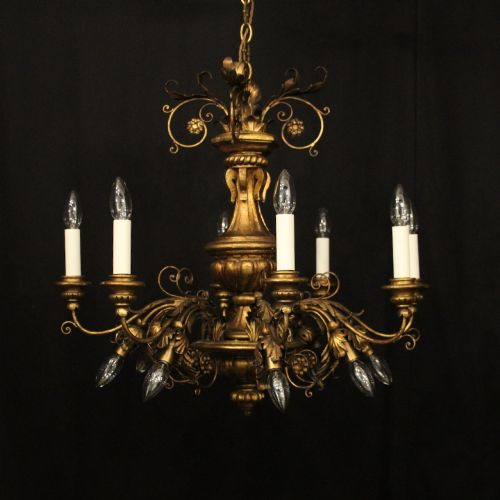
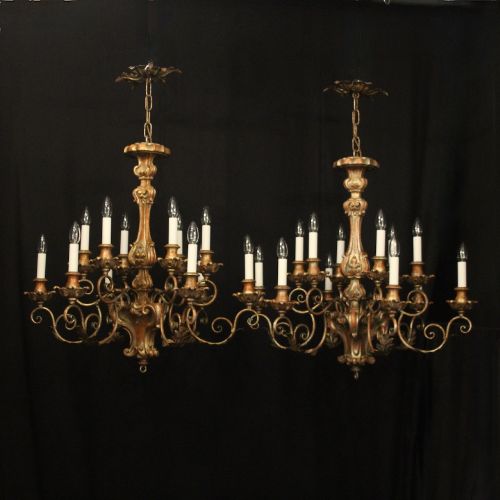
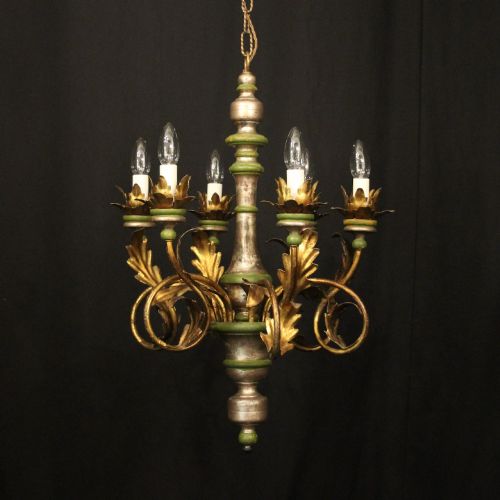
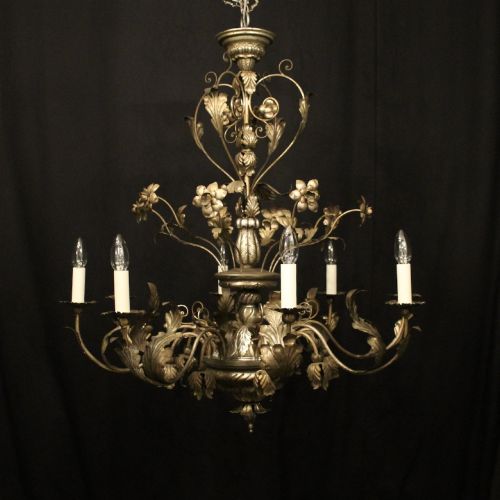


Florentine Carved Pendant
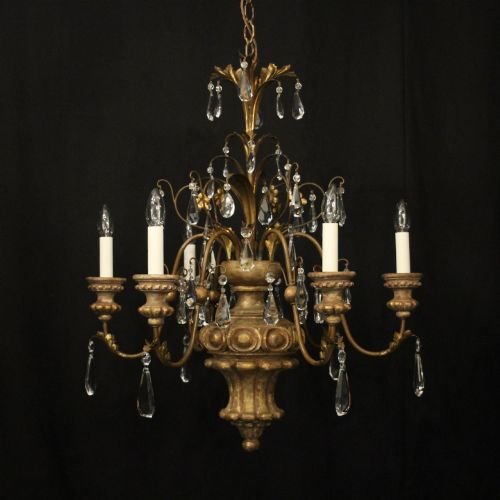
These florentine carved pendant pieces bring dramatic Italian lighting into a room, offering grand scale and ornate wooden detail.
Florentine Carved Pendant
A florentine carved pendant typically takes the form of a large chandelier or a hanging lantern, designed to draw the eye upward in a high-ceilinged space. They originate from periods ranging from the eighteenth century through to the early decades of the twentieth century, bringing distinct Italian craftsmanship to an interior.
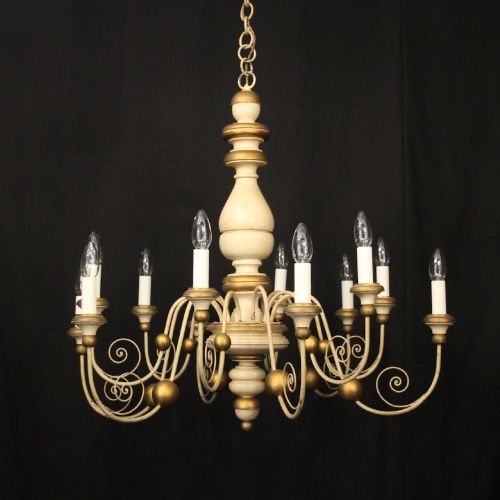
Buyers are most likely to encounter multi-light chandeliers rendered in carved wood, carrying traditional regional styles such as Florentine Baroque and Italian Rococo. These fixtures often feature numerous light arms, ranging from compact triple-light setups up to grand sixteen-light arrangements.
How they were made
Makers shaped these fixtures from solid timber, applying layers of gesso to build up intricate surface ornamentation before finishing the wood. Gilding and gold leaf were then applied by hand to catch the candlelight or electric illumination, creating a luminous metallic sheen.
Polychrome finishes also appear across the surviving pieces, combining painted details with gilt elements to add depth and visual complexity. Structural components occasionally incorporate wrought iron or other metals to support the substantial weight of the larger multi-light configurations.
Florentine Carved Pendant Retail Price Guide 2026
Typical asking prices for florentine carved pendant among the pieces listed under this phrase on Sellingantiques today, from the lower quarter to the upper quarter. They describe what is for sale here now, not the wider market.
Materials documented across the inventory include giltwood, gesso, wrought iron, and carved wood.
What varies in quality
The crispness of the wood carving separates standard workshop output from exceptional examples, where the carver's hand remains visible in the depth and movement of the acanthus leaves and scrolls. Finer pieces demonstrate superior control over the gesso ground, ensuring the gilt or polychrome surface reflects light evenly without obscuring the underlying relief.
Proportion and scale dictate the visual success of the fixture, with superior examples balancing generous light counts against harmonious architectural lines. The integrity of the original surface finish, whether aged gold leaf or layered paint, holds significant weight in determining the piece's decorative presence.
The Florentine Carved Pendant Glossary
- Giltwood
- Timber covered with a thin layer of gold leaf or gold powder applied over a prepared gesso ground. This technique provides the characteristic metallic brilliance seen on traditional Italian frames and light fittings.
- Gesso
- A plaster mixture applied to wood surfaces to create a smooth, durable base for carving or gilding. It allows craftsmen to model sharp, intricate details before applying gold leaf.
- Polychrome
- The practice of decorating architectural elements or objects in multiple colours. In these pieces, painted decoration often contrasts with or complements areas of gold leaf.
- Rococo
- An ornate design style characterised by asymmetry, scrolling curves, and organic forms inspired by shells and plants. It heavily influences the decorative vocabulary of many Italian light fixtures.
Florentine Carved Pendant: Frequently Asked Questions
What periods do these pieces span?
The available lighting fixtures span several centuries, beginning with eighteenth-century examples and extending through the nineteenth century and the Edwardian era.
Twentieth-century pieces from the 1920s and 1930s also appear, maintaining the traditional craftsmanship of earlier Italian workshops.
How were these fixtures used originally?
These grand chandeliers and hanging lanterns served as primary light sources in large reception rooms, palazzos, and formal dining halls.
Their substantial scale and reflective gilt surfaces maximised the impact of candles or early electric bulbs in high-ceilinged spaces.
How do I live with a giltwood chandelier?
These large fixtures require secure ceiling anchor points capable of supporting considerable weight from timber and metal components.
Regular dusting with a soft brush preserves the delicate gilt and polychrome surfaces without disturbing the historic finish.
How do I distinguish different styles?
Styles like Florentine Baroque focus on symmetrical grandeur, heavy acanthus carving, and rich gold leaf applications.
Italian Rococo introduces lighter, more fluid asymmetrical scrolls and organic shell motifs across the wooden frame.