


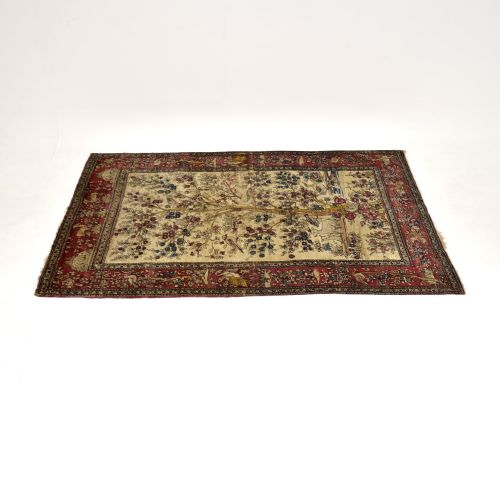
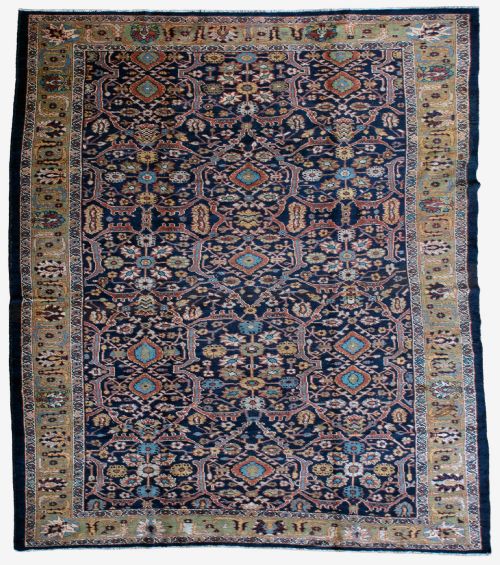
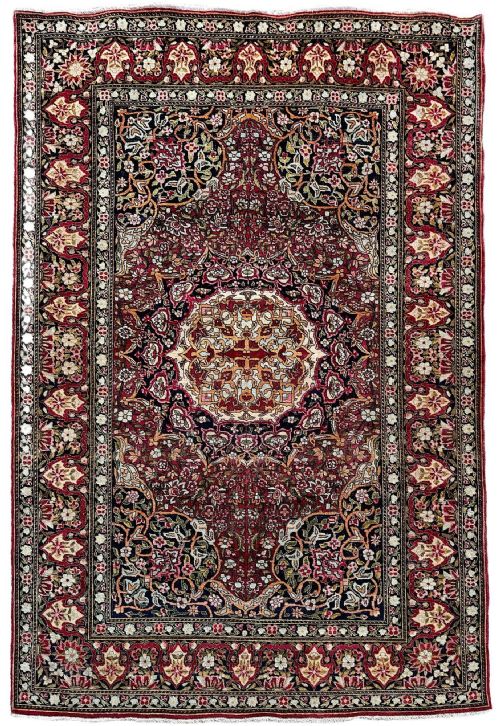
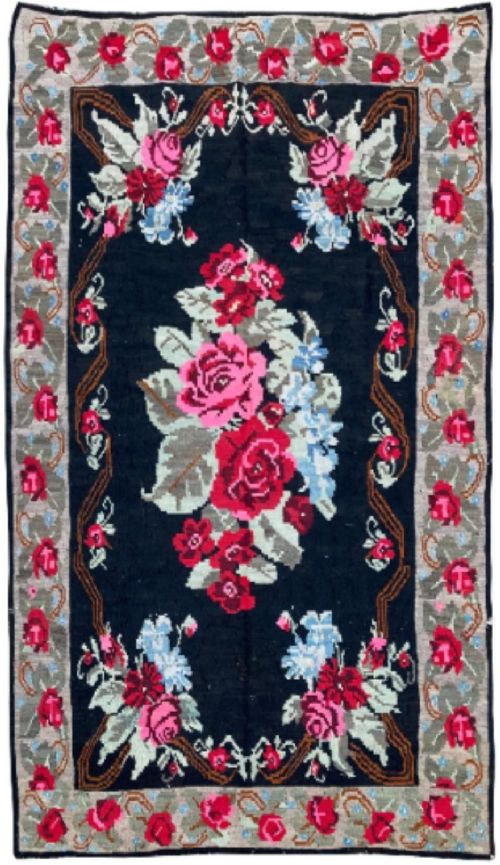
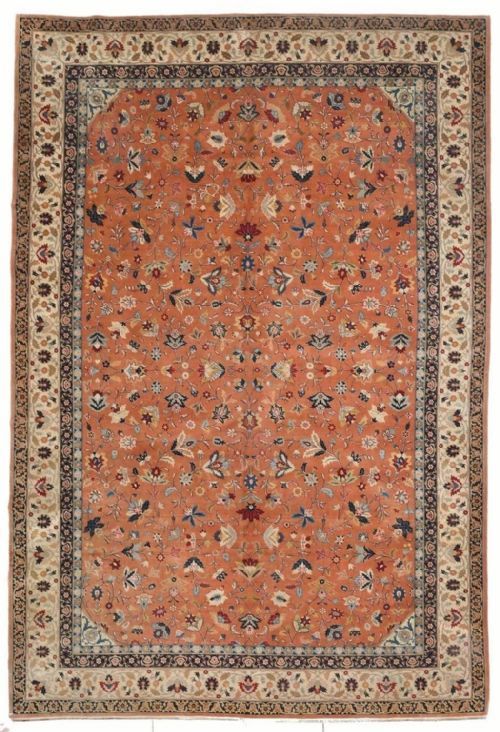
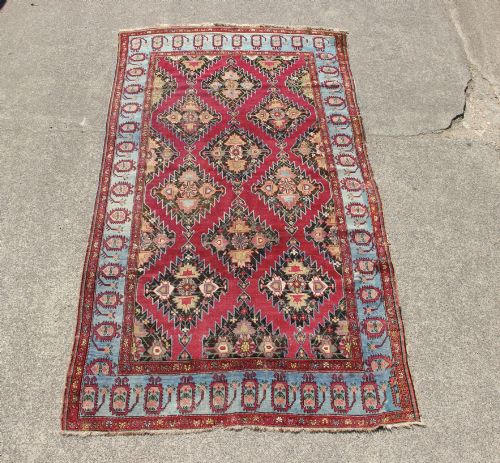
Floral Woven Area Carpet
These floral woven area carpets bring centuries of traditional Persian, Caucasian, and Kashmiri design into a room.
Floral Woven Area Carpet
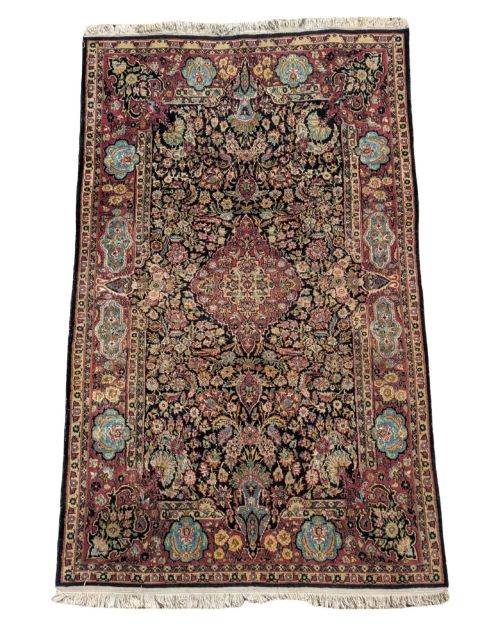
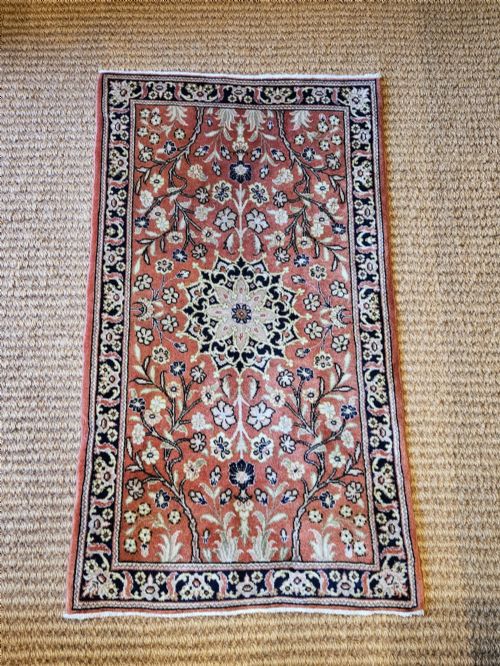
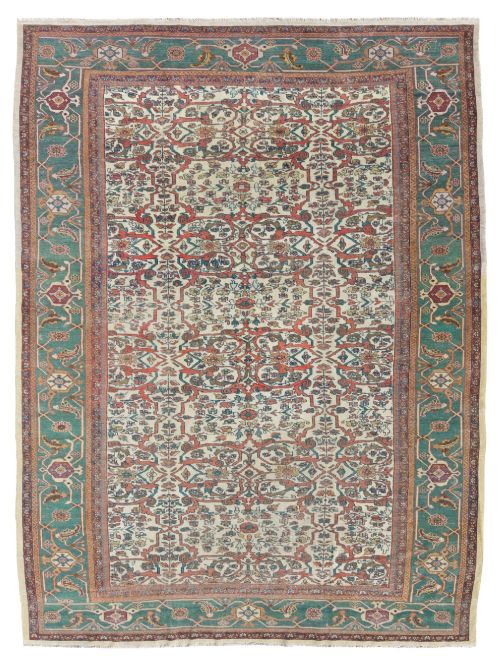
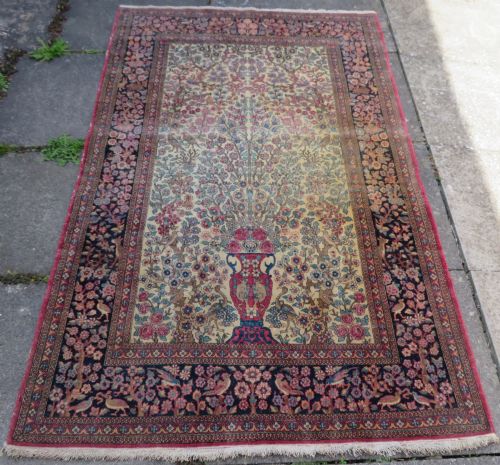
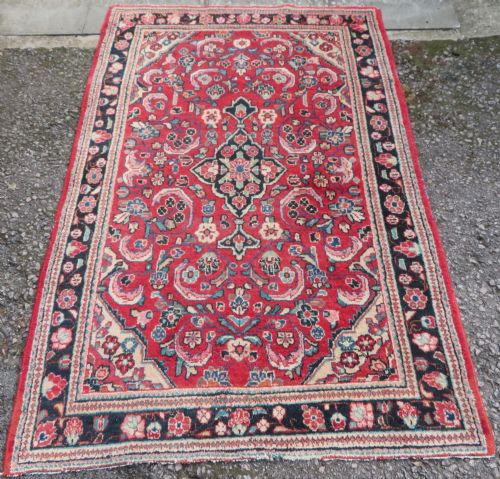
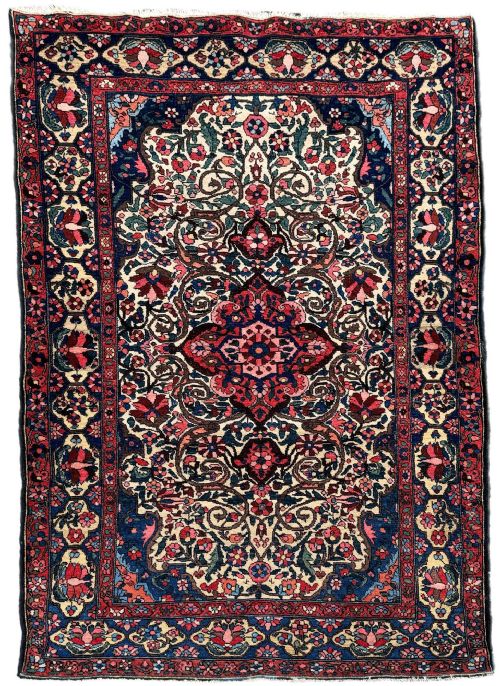
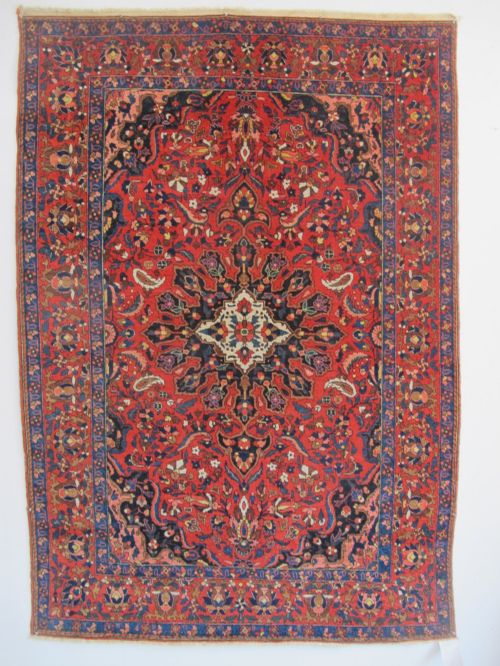
A floral woven area carpet covers the floor with intricate botanical motifs, medallions, and vines originating from historic weaving centres in Persia, the Caucasus, India, and China. When searching for a floral woven area carpet, buyers encounter formats ranging from hearth-sized hearth rugs to grand carpets spanning over four metres in length.
The selection spans from the mid nineteenth century through the early twentieth century, encompassing periods such as the 1850s, 1880s, 1900s, and the 1920s and 1930s. Regional styles dominate the selection, including Heriz, Tabriz, Bakhtiar, Sultanabad, Mahal, Isfahan, Karabagh, and Oushak designs.
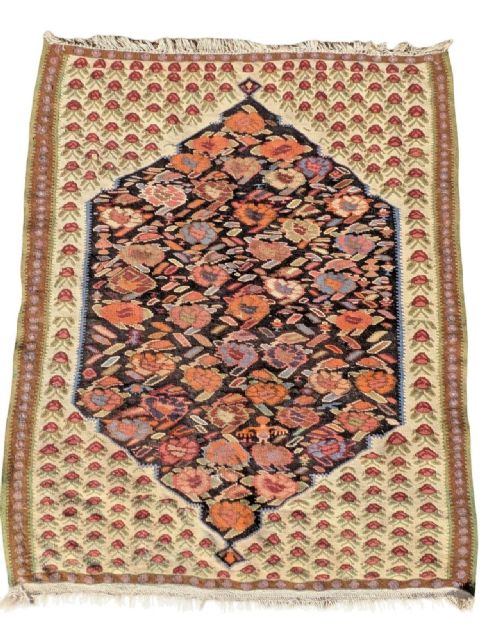
Object forms listed on this page appear as rugs, area rugs, large carpets, and kilim rugs. These textiles served functional roles in country houses and town residences alike, providing warmth and colour underfoot through woven patterns.
How they were made
Weavers constructed these carpets using wool, cotton, and silk, often combining wool piles with cotton foundations or incorporating silk highlights to accentuate specific botanical details. Hand-weaving techniques governed the production across Persian workshops, Indian looms, and Caucasian villages.
Dyes derived from natural sources imparted deep tones to the woollen and silk yarns, creating nuanced palettes that matured over decades of use. Artisans knotted or wove the fibres meticulously onto warps and wefts to achieve the dense pile and flatweave structures seen in these historic carpets.
Some weavers tucked hidden floral symbols into carpet borders as secret wishes for prosperity.
What varies in quality
Knot density and structural integrity dictate the calibre of a woven carpet, distinguishing finely detailed city workshop pieces from robust village productions. The clarity of the floral drawing and the precision of the central medallions reveal the skill of the original weaver.
Materials dictate longevity and handle, with pure wool piles, cotton foundations, and supplemental silk highlights providing varying degrees of lustre and resilience. The preservation of the original borders and fringe areas indicates how carefully a textile has been maintained over generations.
The Floral Woven Area Carpet Glossary
- Kilim
- A flatwoven carpet or rug produced without a pile, traditionally utilising slit-weave techniques to create sharp geometric or stylized floral patterns. These pieces offer a lighter weight compared to knotted pile carpets.
- Pile
- The upright yarn loops or cut ends that form the soft surface of a carpet. In these pieces, the pile is predominantly wool or silk.
- Medallion
- A central ornamental motif, often circular, oval, or lobed, placed in the middle of the carpet field. Traditional Persian designs frequently anchor their floral compositions around this focal point.
- Warp
- The vertical threads stretched tightly on a loom before weaving begins. Weft threads pass horizontally over and under the warps to secure the knots.
- Silk highlights
- Small areas woven in silk yarn within a predominantly wool composition to catch the light and emphasise specific floral details or borders.
Floral Woven Area Carpet: Frequently Asked Questions
How do I clean an old wool carpet?
Professional specialist cleaning is essential for antique woven carpets to protect delicate wool and silk fibres from damage. Routine maintenance requires gentle suction vacuuming without a rotating brush.
Water saturation and household detergents can cause historic dyes to run or weaken the cotton foundation threads. Consult a conservator experienced in antique textiles before attempting any stain removal.
Can these carpets handle heavy foot traffic?
Sturdy wool village rugs and large carpets withstand everyday use in hallways and sitting rooms when paired with a quality underlay. The natural lanolin in traditional wool provides inherent resilience against wear.
Fine silk highlights and lighter hearth-sized pieces benefit from placement in low-traffic areas like bedrooms or studies to preserve their delicate structures.
How do I identify a Heriz carpet?
Heriz carpets typically feature bold geometric interpretations of floral motifs anchored by a distinct, large central medallion. The corners often display contrasting spandrels that frame the field.
These Persian carpets are known for their robust wool and sturdy construction, designed to endure generations of use in domestic settings.
What is the difference between a rug and a carpet?
Terminology often distinguishes pieces by scale and placement rather than construction method. Rugs generally describe smaller formats like hearth-sized or area pieces.
Carpets designate larger floor coverings that anchor entire rooms, though historic listings often use both terms interchangeably for hand-woven textiles.