



Kirman Floral Area Rug
A kirman floral area rug brings Persian traditional artistry into a room with intricate floral motifs and durable wool construction.
Kirman Floral Area Rug
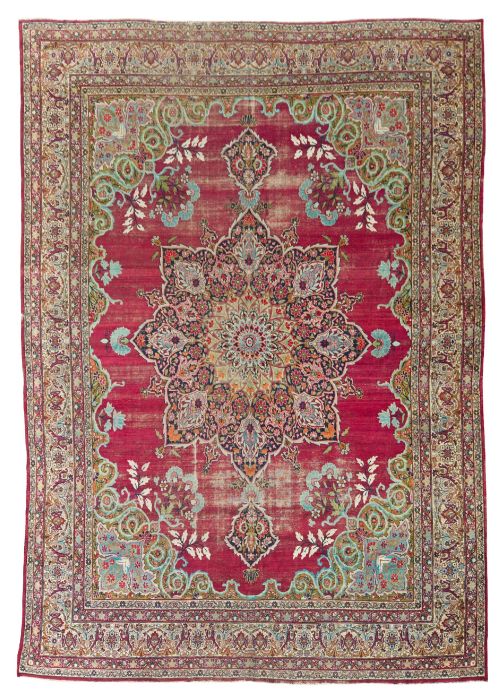
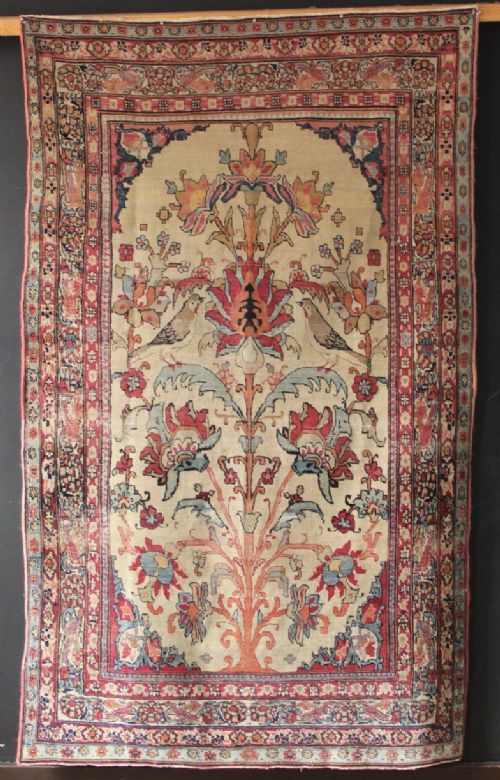
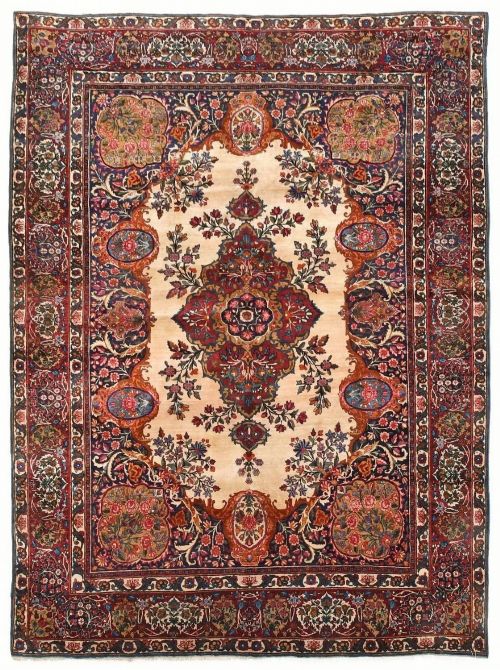
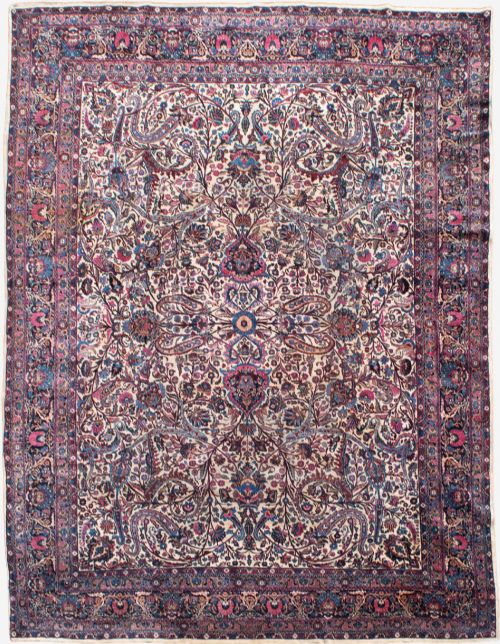
A kirman floral area rug is a Persian floor covering originating from the Kerman region, taking the form of both small rugs and large room-size carpets. When searching this phrase, a buyer encounters pieces spanning from the late nineteenth century up to the mid twentieth century. These textiles showcase traditional Persian styling, often featuring repeat floral boteh designs woven into the field.
The pieces listed here range from compact dimensions suitable for smaller spaces to oversized carpets meant for grand rooms. Most examples belong to the antique and vintage categories, carrying dates from 1870 through to 1940. Persian Kirman and Lavar Kirman variants dominate the selections, demonstrating the enduring output of these workshops across multiple decades.
How They Were Made
Weavers constructed these carpets using wool pile knotted onto cotton foundations, a pairing that provided both surface softness and structural stability. The natural properties of wool allowed artisans to render complex floral patterns with clarity and precision across various scales. Cotton warps and wefts gave the large room-size carpets the necessary tensile strength to lie flat and endure foot traffic.
The production relied on hand-knotting techniques traditional to Persian workshops, executed with dense pile foundations. Artisans utilised dyed wool yarns to build up the multi-layered botanical compositions seen in both standard Kirman and Lavar Kirman examples. This meticulous assembly accounts for the survival of these textiles across generations.
Kirman Floral Area Rug Retail Price Guide 2026
Typical asking prices for kirman floral area rug among the pieces listed under this phrase on Sellingantiques today, from the lower quarter to the upper quarter. They describe what is for sale here now, not the wider market.
Materials across the inventory consist entirely of wool and cotton, utilised for pile and foundation respectively.
What Varies in Quality
Knot density and fineness of weave separate the exceptional examples from standard production pieces, dictating how sharply the floral motifs render. Tighter knotting allows for greater detail within the botanical patterns and contributes to a more resilient pile over decades of use. Finer grades, often associated with Lavar production, display superior handling of line and proportion in the design.
The treatment of the wool and the depth of the palette influence the visual impact of each piece. Superior examples maintain a harmonious balance of natural tones and even wear across the cotton foundation. The overall structural integrity, from the crispness of the borders to the stability of the selvages, defines the standing of individual carpets.
The Kirman Floral Area Rug Glossary
- Kirman
- A Persian rug woven in the Kerman province, known for intricate floral designs and refined weaving techniques. These pieces date across the nineteenth and twentieth centuries.
- Lavar Kirman
- A specific finer grade of Kirman rug, often associated with a tighter weave and delicate floral execution. Collectors prize these for their detailed botanical fields.
- Boteh
- A Paisley-like almond motif filled with floral elements, frequently repeated across traditional Persian rugs. This pattern forms the central design element in many examples.
- Area rug
- A movable floor covering smaller than fitted wall-to-wall carpeting, used to define spaces within a room. These range from compact formats to room-size dimensions.
Kirman Floral Area Rug: Frequently Asked Questions
How do I clean a vintage rug?
Professional dusting and specialist washing are essential for preserving the wool pile and cotton foundation of antique textiles. Avoid harsh chemical treatments and standard domestic cleaning methods that can damage natural dyes.
Regular gentle suction without a beater bar removes surface grit from the pile. Keeping the rug out of direct strong sunlight prevents premature fading of the wool.
Are these rugs suitable for high traffic?
Traditional wool pile on a cotton foundation provides natural durability for daily domestic use. Room-size carpets handle moderate foot traffic well when supported by a proper underlay.
Placing rugs in areas with balanced movement prevents concentrated wear on specific sections of the weave. Rotating the piece periodically ensures even exposure and usage over time.
How do I date a Persian carpet?
Examining the materials, construction methods, and stylistic nuances helps place a rug within a specific era. Dyes, knot density, and the structure of the cotton foundation offer reliable indicators of age.
Comparing the border designs and floral motifs with documented examples from the same region narrows down the production period. Slight irregularities in hand-spun wool also point towards earlier nineteenth-century making.
Can I use an underlay on wood floors?
A breathable rug underlay protects both the wooden floor and the cotton foundation of the carpet. It prevents slipping and reduces friction between the rug fibres and the hard surface below.
Select a natural rubber or felt pad designed specifically for antique textiles. This allows air circulation while keeping the room-size carpet stable underfoot.