
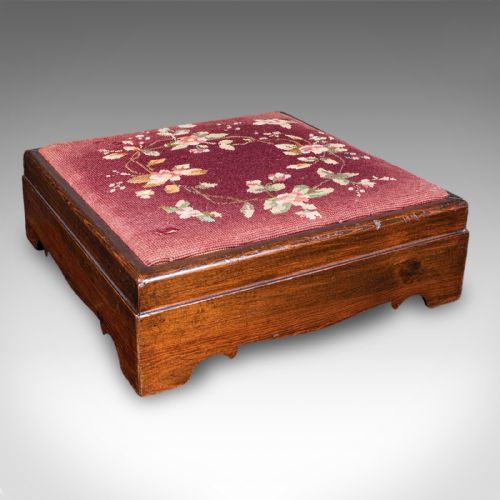
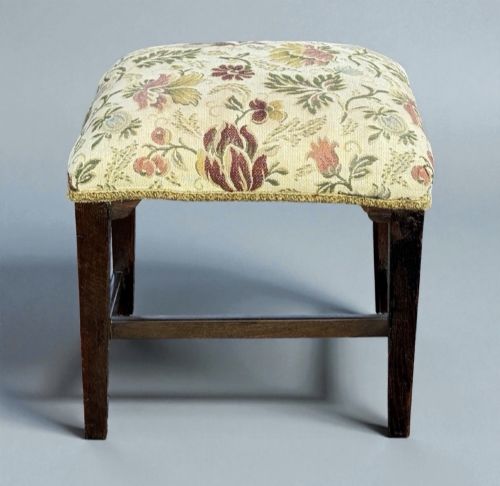
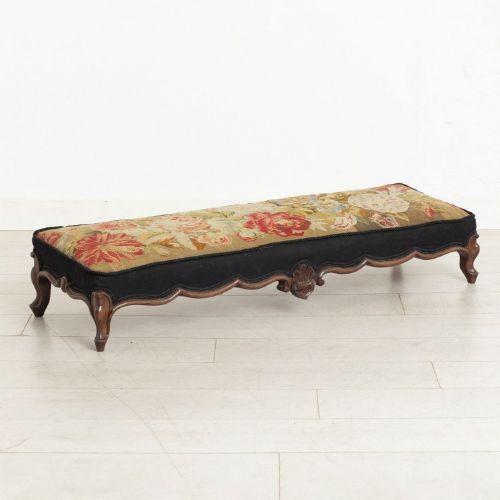


Floral Tapestry Ottoman
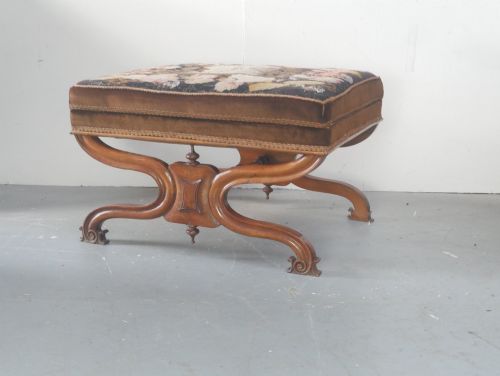
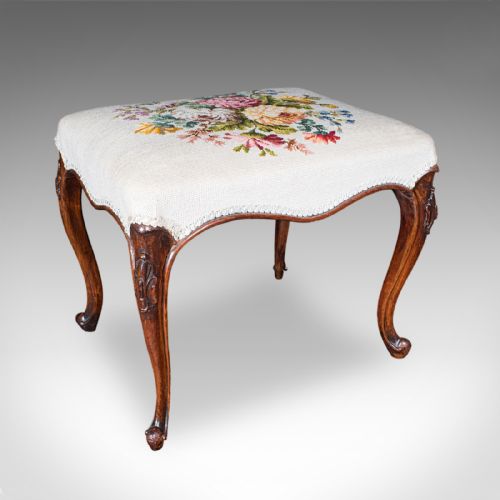
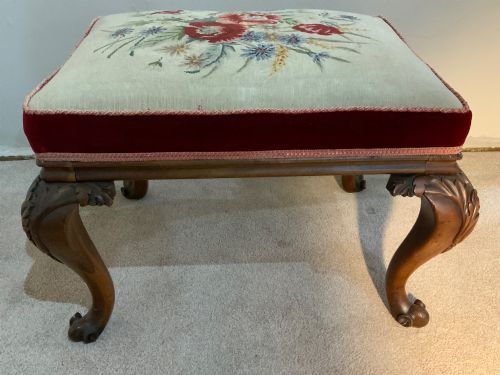
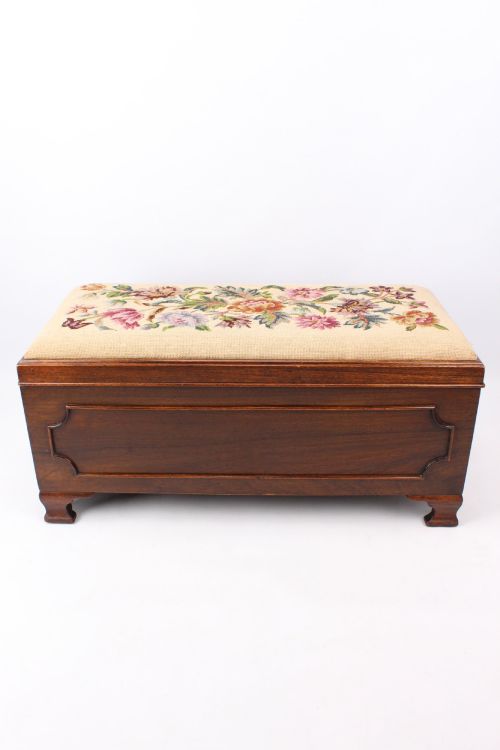
These floral tapestry ottoman pieces combine needlework and timber frame construction, offering a functional seat or footrest for the home.
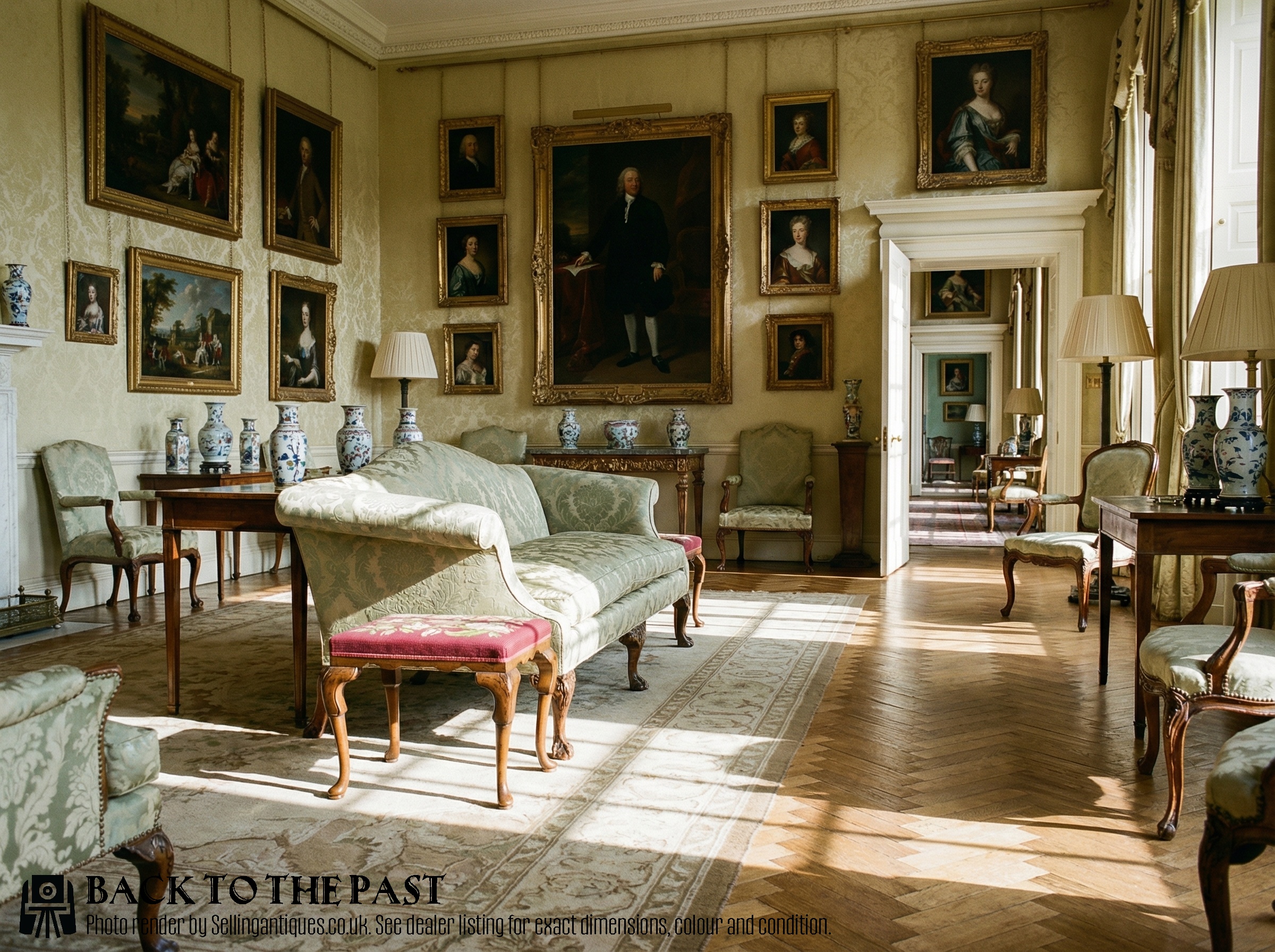
Floral Tapestry Ottoman
A floral tapestry ottoman serves as a low seat, footstool, or fireside accessory, drawing on designs from the Victorian, Edwardian, and Regency periods. When searching for a floral tapestry ottoman, buyers encounter various formats including low footstools, long dressing stools, and box ottomans.
Makers ranged from standard cabinet makers to notable firms such as Whytock and Reid. Forms span compact single stools to larger daybeds and window seats.
Assessing Quality and Craftsmanship
Quality rests in the precision of the timber carving and the structural integrity of the frame joints. Dense hardwoods like rosewood and walnut indicate superior material selection compared to softer pine alternatives.
The execution of the needlework seat displays the artisan's skill, with finely worked wool tapestry panels representing a higher tier of production. Original fabric retains historical interest, whilst the crispness of carved details on the legs and rails distinguishes finer workshop outputs.
Listings feature items spanning the Georgian, Regency, Victorian, and Edwardian periods, utilising walnut, mahogany, rosewood, and tapestry.
Whytock and Reid
The Floral Tapestry Ottoman Glossary
- Ottoman
- A low upholstered seat or footstool without arms or a back. It often incorporates storage space or functions as a dressing stool.
- Needlepoint
- A type of canvas work embroidery executed with wool or silk thread. This technique creates the durable floral patterns seen on many period seat tops.
- Cabriole leg
- A furniture leg that curves out and then in, resembling an animal's leg in motion. It appears frequently on walnut and mahogany pieces from the Victorian and Queen Anne styles.
Floral Tapestry Ottoman: Frequently Asked Questions
How do I date an ottoman?
Dating relies on timber choice, leg style, and construction methods. Earlier examples from the Regency and Georgian eras show distinct joinery and wood selections compared to later Victorian and Edwardian pieces.
Upholstery style and needlework patterns also provide chronological clues, though many pieces have been re-covered over time.
Where were these stools used?
These pieces functioned primarily in drawing rooms, dressing rooms, and fireside settings. Long variants served as window seats or dressing stools.
Box ottomans and work boxes offered concealed storage for sewing materials or domestic items while providing a seat.
Are the tapestry tops original?
Many pieces retain period needlework, though the survival of original fabric varies. Some items feature later replacement upholstery that matches the historic aesthetic.
Examining the wear on the wool and the tension of the textile helps determine its age relative to the wooden frame.
How do I care for the timber and fabric?
Protect the wooden frame from direct sunlight and sudden humidity changes to preserve the polish and prevent timber splitting. Regular dusting with a dry cloth maintains the finish.
Vacuum the tapestry seat gently using a low suction setting with a brush attachment to protect the wool threads.