

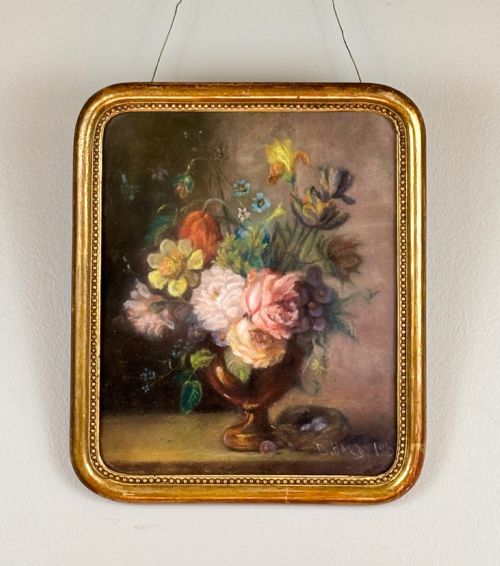
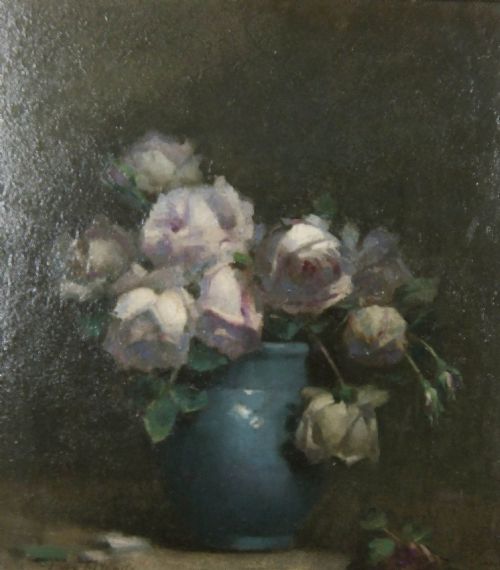


Floral Study Artwork
Floral study artwork captures botanical forms across centuries through delicate watercolours, oils and prints.
Floral Study Artwork
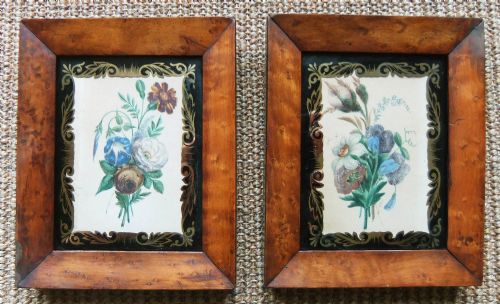
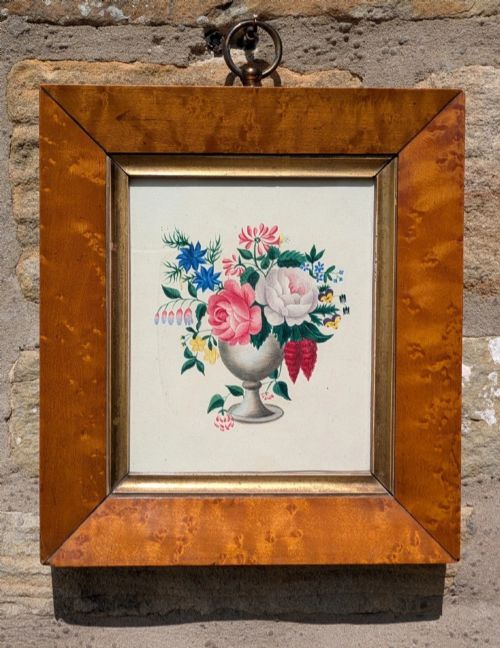
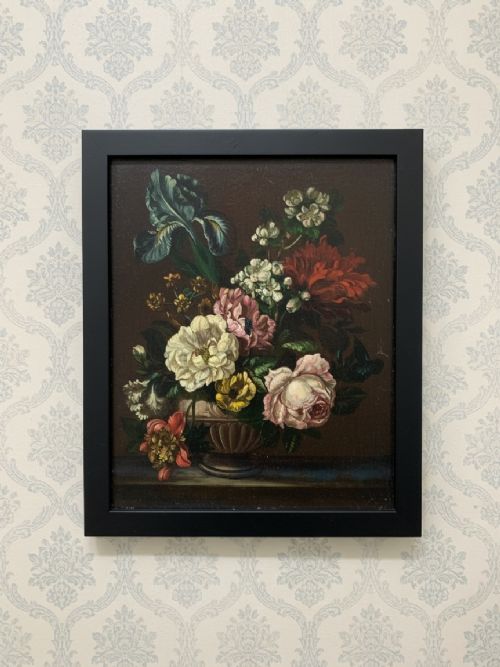
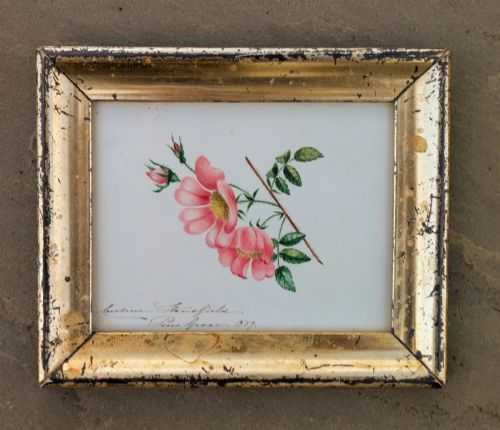
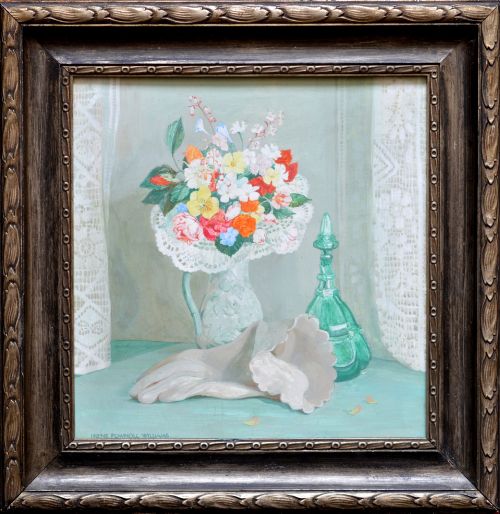
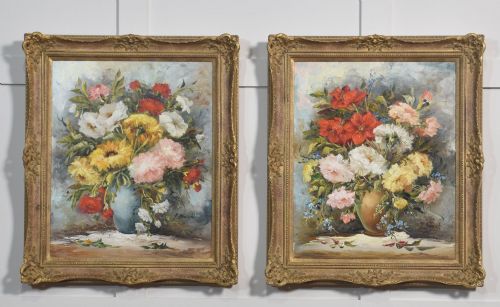
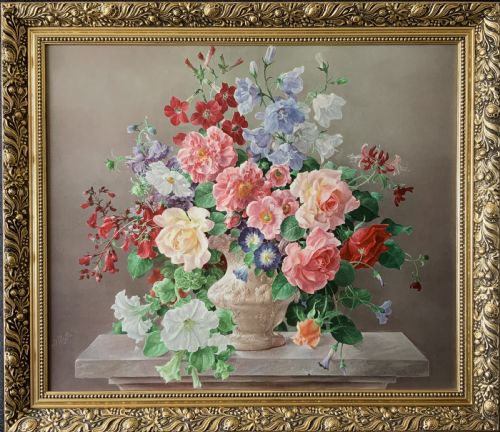
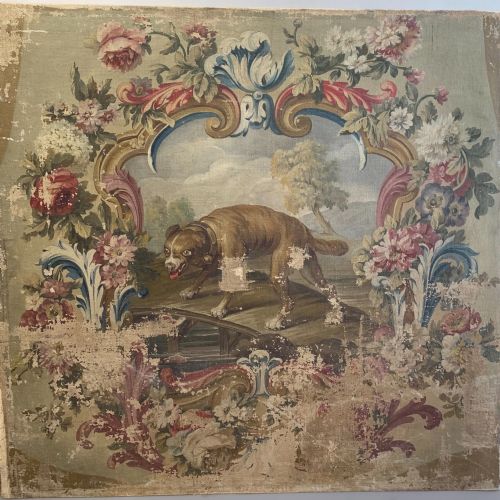
Floral study artwork spans functional botanical records and expressive still-life paintings executed across multiple centuries. A buyer seeking this genre encounters everything from nineteenth-century watercolours to mid-century oil paintings of roses and chrysanthemums.
The pieces include framed watercolours, oil paintings on canvas or panel, pastels, gouache on silk, and vintage prints. Victorian botanical studies and British impressionist compositions dominate the selection available here.
Makers range from named nineteenth and twentieth-century painters to traditional English and continental schools. Works appear individually or in curated pairs, framed in wood and gilt surrounds.
How they were made
Artists utilise traditional pigment applications including watercolour washes on paper, thick oil paints on canvas and board, and delicate gouache on silk. Panel supports feature alongside stretched canvas and heavy art paper.
Framing typically involves wood and gilt wood surrounds that protect fragile works on paper and complement oil paintings. Lithographs, engravings and oleograph prints offer alternative reproduction methods from the nineteenth and twentieth centuries.
Floral Study Artwork Retail Price Guide 2026
Typical asking prices for floral study artwork among the pieces listed under this phrase on Sellingantiques today, from the lower quarter to the upper quarter. They describe what is for sale here now, not the wider market.
Artists sometimes captured insects alongside their blooms, immortalising unexpected garden visitors in delicate watercolour and print.
What varies in quality
The hierarchy rests on the surety of the brushwork, the depth of colour retention, and the fidelity of the botanical observation. Skilled hands capture the transient texture of petals and foliage with precise light and shadow.
Support materials and framing integrity also divide standard works from exceptional pieces. Original period framing and stable grounds on panel or canvas preserve the longevity of the artwork.
Irene Christobelle Pownoll Williams·Harold Clayton·D Hardy·Manuela Bonati·William Thomas Wood·Ernest Higgins Rigg·Sir Matthew Smith·Edith Barrow·Grace Hastie·Phyllis I Hibbert·Lena M Alexander·Marian Chase·L Wilford·Pierre-Joseph Redouté·Jennifer Toombs·Charlotte Isa James·Alice Macallan Swan·John Curtis·Marion Broom·Annie Mary Youngman·Margaret Evangeline Wilson·M K Rhodes·Owen Bowen·Kershaw Schofield·Minnie Smythe
The Floral Study Artwork Glossary
- Watercolour
- A painting method where fine pigment is suspended in water-soluble binders and applied to paper. It creates luminous, transparent botanical studies.
- Tempera
- A permanent, fast-drying painting medium consisting of coloured pigments mixed with a water-soluble binder material such as egg yolk. It produces a flat, matte surface on panel supports.
- Oleograph
- A mechanical colour lithograph printed on textured canvas to simulate an oil painting. This technique gained popularity for reproducing famous art in the nineteenth and twentieth centuries.
- Gouache
- An opaque water-based paint method using pigments bound in water-soluble gum. It yields rich, solid blocks of colour frequently seen on silk and paper.
- Gilt wood
- Wood coated with a thin layer of gold leaf or metallic paint. It provides traditional ornate framing for fine art and mirrors.
Floral Study Artwork: Frequently Asked Questions
What is floral study artwork?
Floral study artwork comprises creative depictions of flowers, plants, and botanical specimens rendered by artists and illustrators. These pieces document natural forms through various media including watercolour, oil paint, and pastel.
They reflect shifting artistic styles from the Regency and Victorian eras through to the mid-twentieth century. Collectors value them for their decorative appeal and detailed botanical observation.
How were these pieces used?
Historic floral artworks served both scientific recording purposes and domestic interior decoration. Wealthy households displayed botanical studies in drawing rooms and country house libraries.
Today, buyers use them to introduce natural colour and classic British style into living spaces. They function effectively as standalone statement pieces or grouped in pairs and small galleries.
How do I care for works on paper?
Works on paper require protection from direct sunlight to prevent pigments and watercolours from fading. Acid-free mounting and framing help preserve the paper substrate over decades.
Keeping pieces away from damp environments ensures mould and foxing do not damage the delicate medium. Glass glazing provides a physical barrier against dust and atmospheric pollutants.
How can I tell the period?
Stylistic cues, framing types, and the materials used offer clear indicators of an artwork's age. Victorian pieces often feature precise botanical detail, whilst twentieth-century works embrace looser impressionist brushwork.
Signatures, inscriptions on the reverse, and paper watermarks also help date individual paintings and prints accurately.