









Floral Pottery Bowl
A floral pottery bowl brings botanical colour to a table, combining hand-painted blooms with enduring ceramic forms across centuries of design.
Floral Pottery Bowl
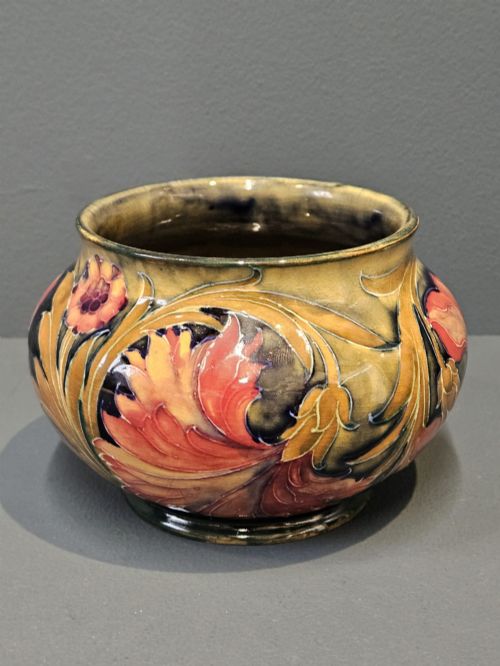
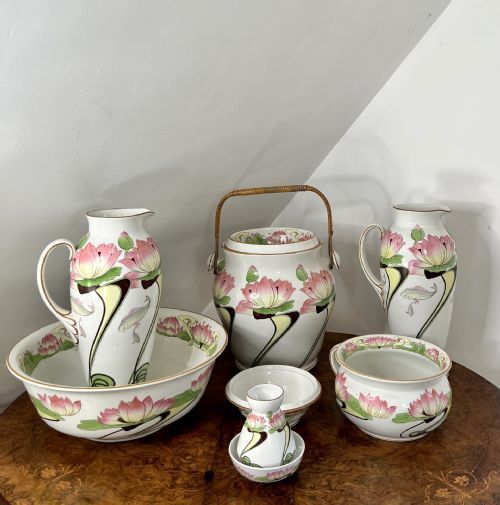
A floral pottery bowl encompasses domestic and decorative vessels adorned with botanical motifs, spanning centuries of global ceramic tradition. Buyers encounter earthenware, porcelain, and ironstone examples originating from British potteries, European manufactories, and Asian kilns. The selection ranges from robust 18th-century delftware and transfer-printed ironstone pedestal bowls to delicate Meiji period Satsuma ware and 1930s tube-lined earthenware.
Pedestal bowls, large decorative basins, and footed vessels form the core of these listings, often featuring hand-painted floral sprays, chrysanthemums, or stylised foliage. British regional potteries sit alongside Japanese export pieces and Chinese blue and white ceramics. This variety reflects how different cultures interpreted botanical decoration on utilitarian and display objects alike.
How they were made
Potters shaped these vessels using traditional throwing and moulding techniques before applying tin glazes, earthen glazes, or enamel pigments. Tin-glazed earthenware provided a smooth white ground for hand-painted pigments, while ironstone offered a dense, durable body suited to large pedestal bowls and dinner services. Artisans built up surface designs using cobalt blues, polychrome enamels, and occasional applications of gold leaf.
Firing methods varied from open kiln stacking for earlier delftware to controlled high-temperature kilns for porcelain and Satsuma ware. Decoration often involved a combination of underglaze blue painting and overglaze enamel work, sometimes fixed with a second lower-temperature firing. Relief moulding and spongeware stamping provided alternative surface textures before final glazing.
Floral Pottery Bowl Retail Price Guide 2026
Typical asking prices for floral pottery bowl among the pieces listed under this phrase on Sellingantiques today, from the lower quarter to the upper quarter. They describe what is for sale here now, not the wider market.
Listings span earthenware, porcelain, and tin-glazed ceramic bodies created across four centuries of domestic and export production.
What varies in quality
The distinction between ordinary production and superior work rests upon the precision of the hand-painting and the clarity of the glaze. Master decorators achieved depth and fine line-work in floral motifs, whereas mass-produced pieces relied on simpler stamping or transfer printing. Signed studio pieces and documented factory wares demonstrate greater artistry in their pigment control and compositional balance.
Body weight and structural crispness also differentiate the tier of a vessel. Well-thrown forms maintain wall uniformity and clean foot rims, while finer porcelain and ironstone bodies show superior resistance to crazing and wear. The integration of gilding and enamel stability further separates standard utilitarian items from exhibition-grade display bowls.
Moorcroft·Doulton Burslem·Ulisse Cantagalli·Maling·Booths
The Floral Pottery Bowl Glossary
- Satsuma ware
- Japanese pottery originating from Satsuma province, characterised by a fine crackle glaze and elaborate polychrome enamel and gilt decoration.
- Ironstone
- A heavy, durable ceramic patented in the 19th century as a robust alternative to porcelain, frequently used for large tablewares.
- Delftware
- Tin-glazed earthenware produced in Dutch and English kilns, known for its opaque white surface and blue-and-white botanical or pictorial painting.
- Spongeware
- Pottery decorated by dabbing pigment onto the biscuit or glazed surface using a natural sponge, creating mottled patterns.
Floral Pottery Bowl: Frequently Asked Questions
How do I clean an antique floral pottery bowl safely?
Wash these vessels by hand in warm water using a mild, non-abrasive detergent and a soft cloth. Avoid submerging pieces with old repairs or exposed earthenware bodies for extended periods.
Dry them immediately with a lint-free towel to protect fragile glazes and any surface gilding from moisture damage.
Can I use these bowls for serving food daily?
Many sturdy ironstone and ceramic bowls remain structurally sound for holding dry foods or fruit on a dining table. Older soft-paste or tin-glazed pieces suit display better due to vulnerable glaze surfaces and historical crazing.
Check individual pieces for stability and glaze integrity before using them with wet or staining ingredients.
How can I distinguish Japanese Satsuma ware from British imitations?
Authentic Satsuma pieces feature a characteristic fine network of microscopic crackles across the cream-coloured earthenware body. They often carry artist signatures or regional factory crests hand-painted on the underside.
British makers produced their own interpretations of Japanese styles, but their paste, weight, and glaze formulas differ noticeably from true export ware.
What is the difference between delftware and later earthenware?
Delftware uses a tin-oxide glaze applied over a porous buff or pinkish clay body to create an opaque white background for painting. 19th-century earthenwares and ironstone utilised refined white clay bodies covered with transparent lead or feldspathic glazes.
This technical shift resulted in stronger vessels that resisted chipping and handled heavy domestic use more effectively.