




Floral Porcelain Vessel
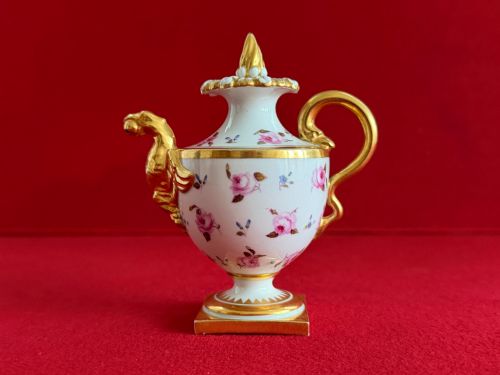
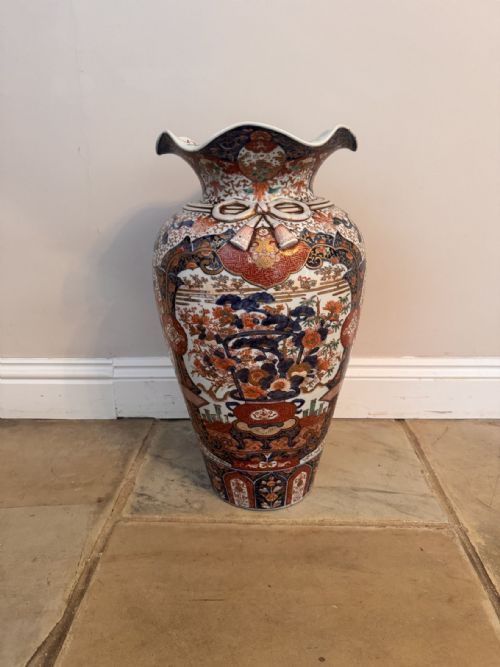
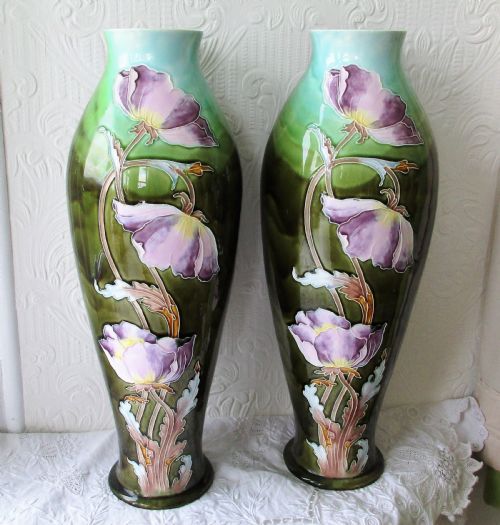
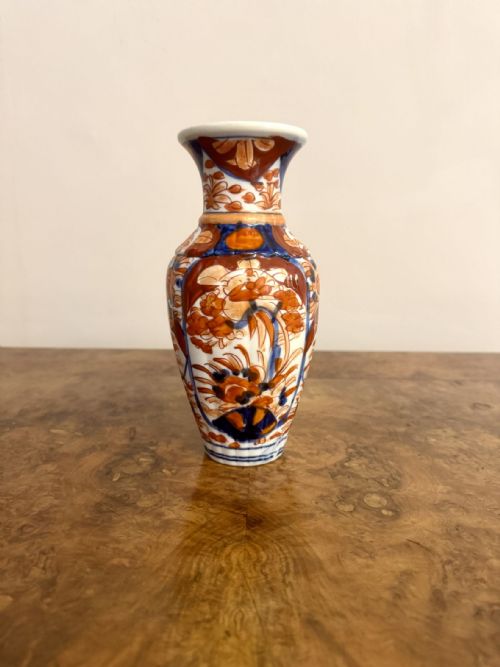
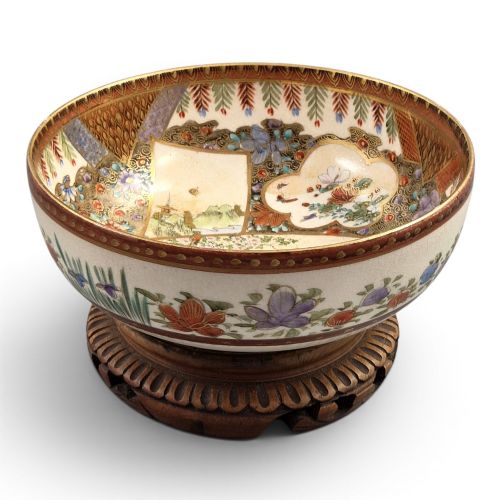
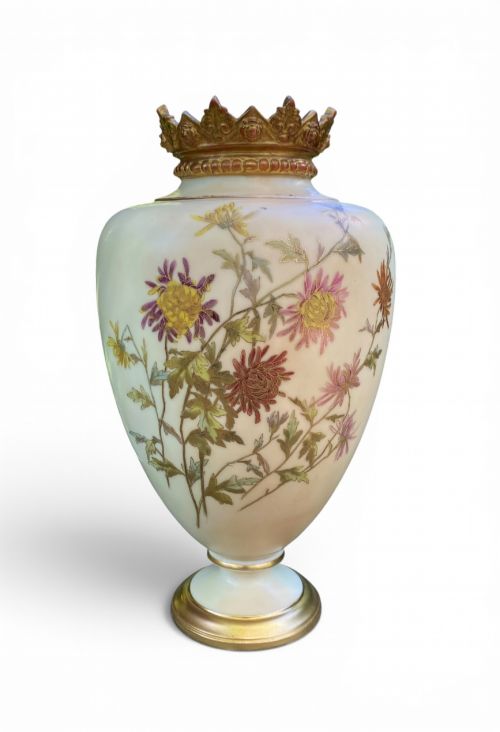
These floral porcelain vessel selections span centuries of global ceramic artistry, offering collectors everything from delicate Regency sprinklers to vibrant Japanese Imari floor vases.
Floral Porcelain Vessel
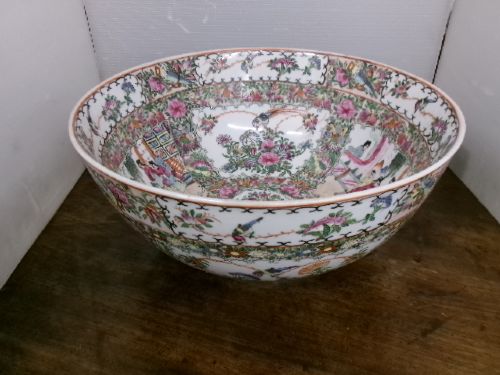
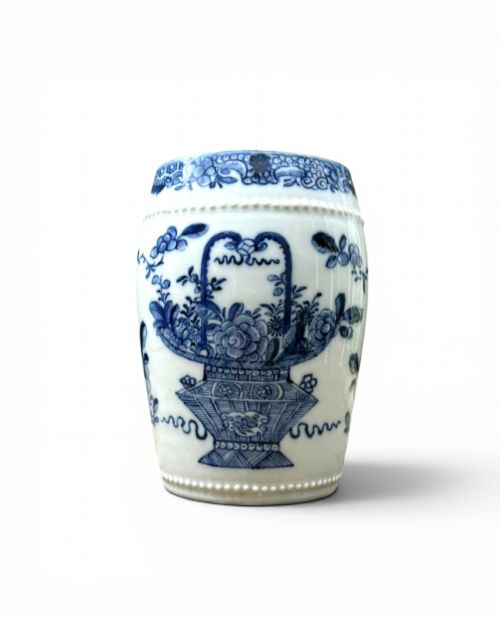
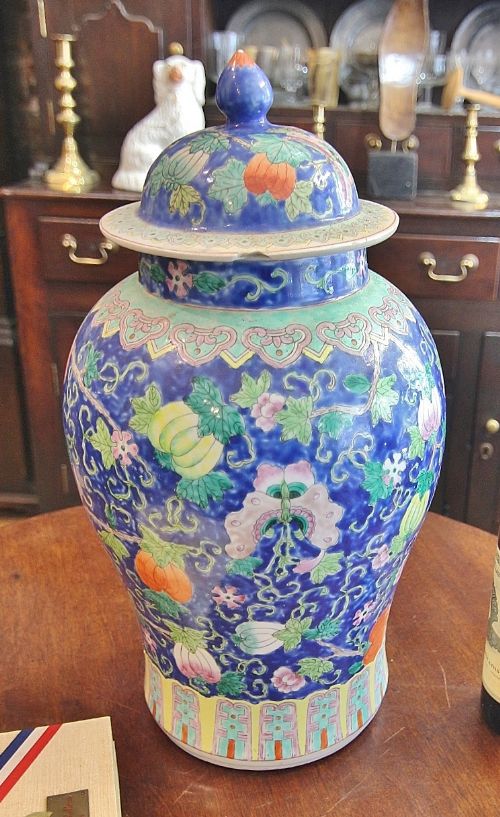
A floral porcelain vessel encompasses a diverse range of decorative and functional ceramics designed to hold flowers, potpourri, or liquids, or simply to display intricate botanical motifs. Buyers exploring this category encounter forms spanning from traditional Chinese export bowls and ginger jars to grand Victorian urns and delicate Edwardian bud vases.
Most entries belong to the nineteenth and early twentieth centuries, capturing the Victorian, Edwardian, and Meiji periods alongside earlier eighteenth-century Chinese production. These items bridge utilitarian household objects and high art, showcasing how domestic spaces incorporated botanical ornamentation over generations.
Materials and technique
Makers utilised fine porcelain, ceramic, earthenware, and stoneware as the structural body for these vessels, shaping them on the wheel or casting them in moulds. Surface decoration relied heavily on hand-painted enamel and underglaze blue, bringing botanical scenes to life with vibrant pigments.
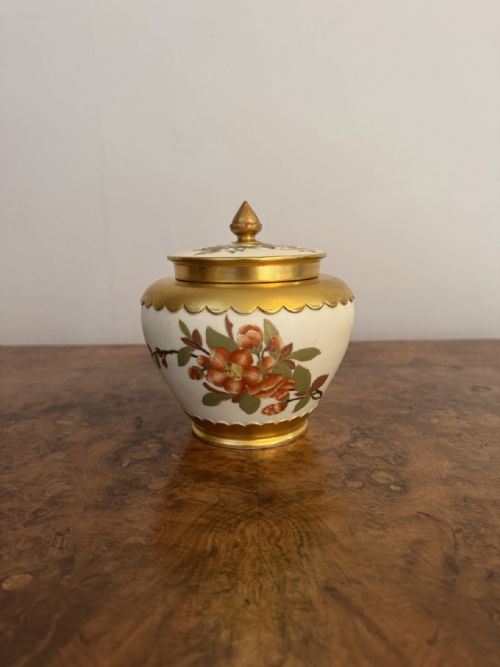
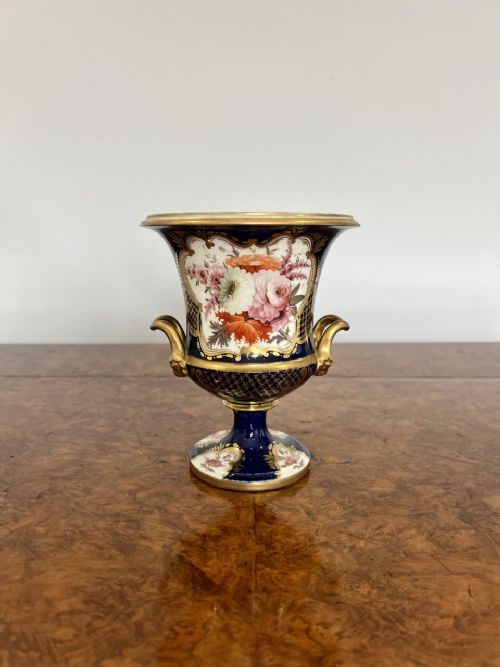
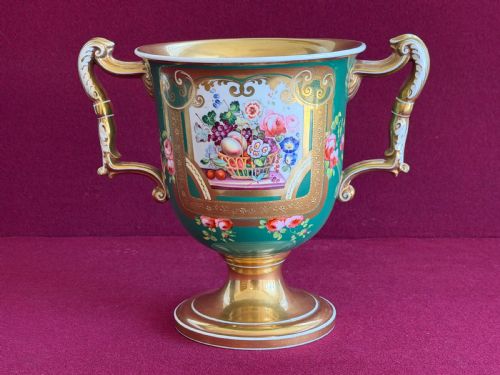
Gilding, gold leaf, and gilt accents frequently highlight rims, handles, and painted panels, adding a layer of reflective brilliance to the fired glaze. Specialised techniques such as piercing created openwork handles and rims, while specialised potting produced barrel shapes, campagna urns, and ovoid profiles.
Among the grand urns and delicate sprinklers, a humble chamber pot waits to remind us that historic porcelain served every room in the house.
What separates the finest pieces
The degree of artistic execution in the hand-painted floral decoration dictates much of the distinction between standard production and masterworks. Pieces bearing the signatures of known artists or prestigious factory marks exhibit superior brushwork and compositional balance.
The complexity of the form and the preservation of delicate elements, such as pierced handles and applied gilding, signal superior craftsmanship. Age and historical provenance also elevate certain items, particularly intact eighteenth-century export wares and documented factory prototypes.
Flight Barr And Barr·Royal Worcester·Spode·H And R Daniel·Coalport·Royal Crown Derby·Doulton·Herend
The Floral Porcelain Vessel Glossary
- Imari
- A style of Japanese porcelain decorated in underglaze blue, iron red, and gold, named after the port from which pieces were shipped to Europe.
- Campagna urn
- A bell-shaped vessel on a pedestal foot, modelled after classical garden urns and popular during the nineteenth century for floral display.
- Famille rose
- A Chinese porcelain palette introduced in the eighteenth century, distinguished by opaque pink or purple enamel derived from colloidal gold.
- Jardiniere
- A large ornamental pot or bowl designed to hold a live growing plant rather than cut flowers.
- Sucrier
- A small covered sugar bowl designed as part of a tea service, often matching contemporary ceramic teapots and caddies.
Floral Porcelain Vessel: Frequently Asked Questions
What is a floral porcelain vessel used for?
These pieces served practical and decorative roles in historic homes, functioning as flower holders, potpourri containers, tea caddies, or washstand accessories.
Larger examples like floor vases and jardiniere items were designed for grand interior display, while smaller items such as rose water sprinklers and loving cups had specific social or domestic functions.
How do I care for antique porcelain?
Display these ceramics away from direct sunlight and areas subject to sudden temperature fluctuations to protect the glaze and enamel work.
Clean them only with a soft, dry cloth or gentle dusting, avoiding harsh chemical cleaners or submersion in water, particularly on pieces with exposed gold leaf or delicate hand-painted surfaces.
How can I tell the period?
Dating relies on factory backstamps, reign marks, stylistic indicators such as Art Nouveau curves or Victorian ornamentation, and the characteristics of the paste and glaze.
Comparing the potting technique and pigment style to documented pieces from makers like Royal Worcester or Qianlong periods helps narrow down the decade of manufacture.
What is Chinese export porcelain?
This term describes ceramics manufactured in China specifically for the Western market, beginning centuries ago and following European aesthetic preferences.
These pieces often combine traditional Chinese potting and underglaze techniques with shapes and motifs requested by overseas trading companies.