



Floral Porcelain Light
These floral porcelain light pieces combine painted ceramic flora with functional illumination, offering a decorative focal point for period interiors.
Floral Porcelain Light
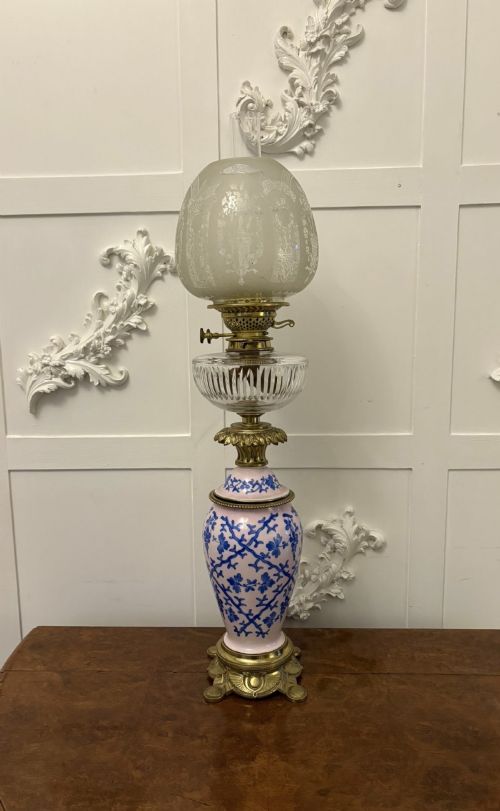
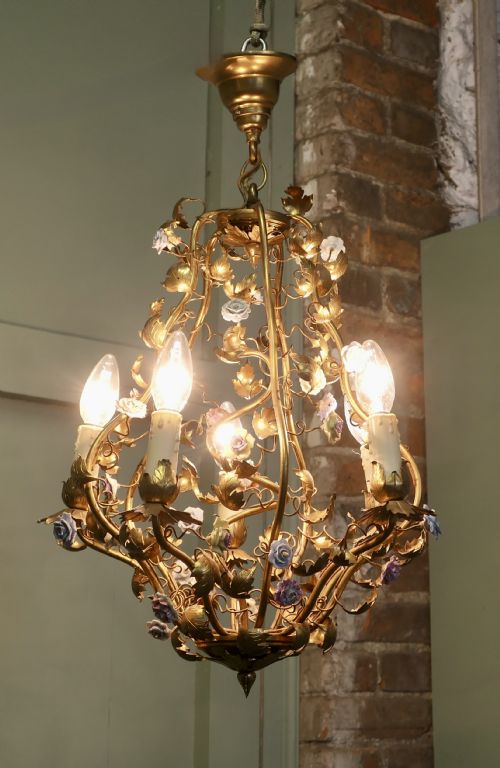
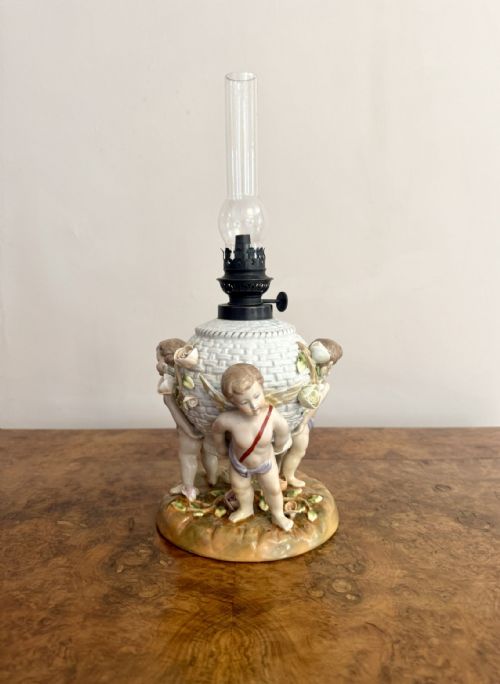
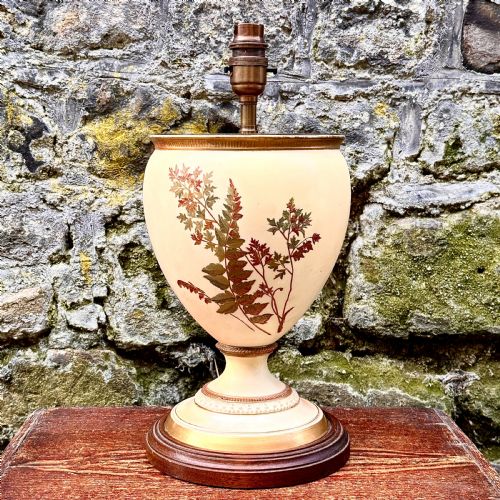
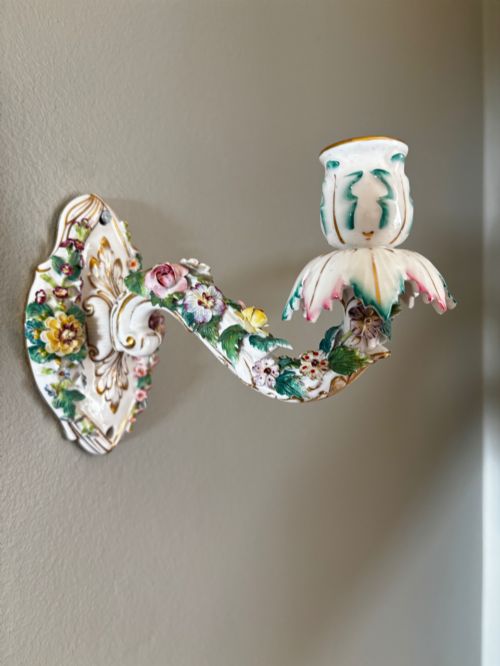
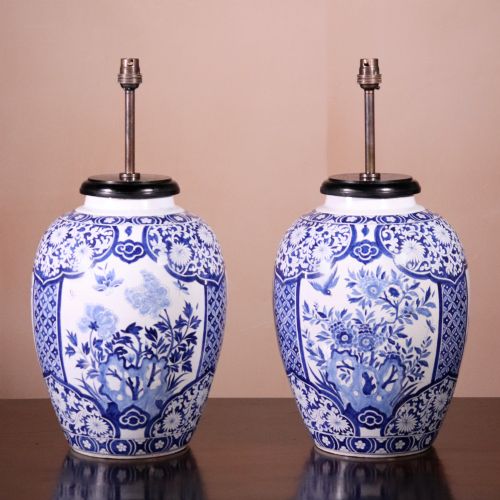
A floral porcelain light manifests in various lighting configurations, including table lamps, chandeliers, wall sconces, and candelabra. Pieces often integrate painted ceramic flowers or figural elements mounted in brass, gilt bronze, or ormolu.
The inventory spans multiple periods from the eighteenth century through to the early twentieth century, encompassing Victorian, Edwardian, and various continental styles. Chinese export styles like Famille Verte and Famille Rose frequently appear alongside European porcelain traditions.
Table lamps and oil lamps adapted from earlier vases form a substantial portion of the selection, sitting alongside multi-branch chandeliers and wall lights decorated with enamel and toleware leaves.
Materials and Techniques
Makers utilised hard-paste and soft-paste porcelain, shaping bodies into baluster vases, ginger jars, and figurative groups before applying hand-painted enamel botanical motifs. Metal mounts in brass, gilt bronze, and ormolu were cast and chased to secure the ceramic components.
Specialised techniques such as pate-sur-pate and polychrome enamelling build up raised surface detail on the porcelain body. Wiring and metal fittings were subsequently added to convert traditional candle holders and oil reservoirs into functional electric lamps.
Judging Quality
The refinement of the hand-painted botanical detail and the crispness of the porcelain modelling distinguish finer examples from standard production. Sitzendorf, Meissen, and Royal Worcester pieces exhibit superior glaze work and delicate floral rendering.
The integration of metal mounts dictates overall structural harmony, where heavy gilt bronze or ormolu frames complement rather than overwhelm the ceramic body. Complete sets of matching candelabra or chandeliers retain greater design integrity than isolated components.
Sitzendorf·Royal Worcester·Meissen·Samson
The Floral Porcelain Light Glossary
- Famille Rose
- A palette of Chinese porcelain enamels dominated by opaque pink or rose colours, introduced in the eighteenth century. This decorative scheme often covers ginger jars and baluster vases adapted into lamps.
- Ormolu
- Gilt bronze mounted onto furniture and lighting fixtures to provide decorative enrichment. It secures porcelain sections and frames candle branches.
- Pate-sur-pate
- A ceramic technique where successive layers of liquid porcelain slip are applied to a dark body to create a low relief cameo effect. This method appears on late nineteenth century French pieces.
- Toleware
- Painted or enamelled sheet metal used to form decorative foliage and structural components on chandeliers and wall sconces. It mimics natural plant growth alongside ceramic flowers.
- Blanc de Chine
- White porcelain produced in China, valued for its smooth glaze and utilised in figural candlesticks and vases.
Floral Porcelain Light: Frequently Asked Questions
How do I clean floral porcelain?
Dust delicate porcelain petals and ceramic leaves gently with a soft dry brush to prevent accumulation. Avoid submerging wired bases or antique metal mounts in water.
Use a slightly damp cloth only on resilient glazed surfaces, ensuring no moisture enters old lamp fittings or electrical components.
Are these lamps rewired?
Many antique porcelain bodies started as oil lamps or vases and underwent conversion to electricity at later dates. Wiring standards vary across the selection.
Buyers should inspect the internal cords and consult a qualified electrician to test older or recently adapted fixtures before regular domestic use.
How do I date these lights?
Stylistic indicators such as Victorian proportions, Edwardian wiring adaptations, and nineteenth century ormolu mounts help establish a timeframe. Maker marks on the underside of the porcelain offer further chronological clues.
Comparing the painting technique against known factory periods clarifies whether a piece originates from the eighteenth or nineteenth century.
Can I match single wall sconces?
Finding an exact pair for single wall sconces or candlesticks proves challenging due to the hand-painted nature of antique ceramics. Variations in floral colour and glaze thickness are common.
Sconces listed as original pairs ensure symmetry on either side of a mantelpiece or mirror.