


Floral Pietra Dura
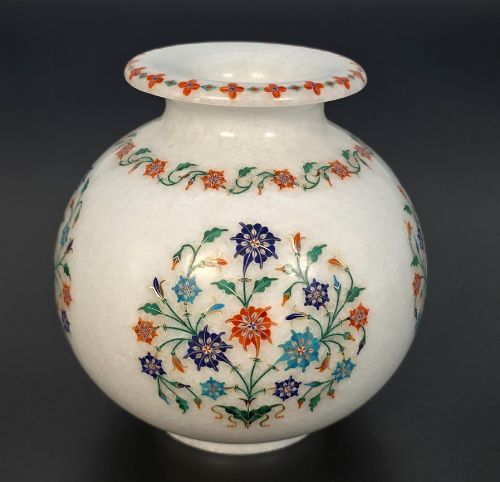
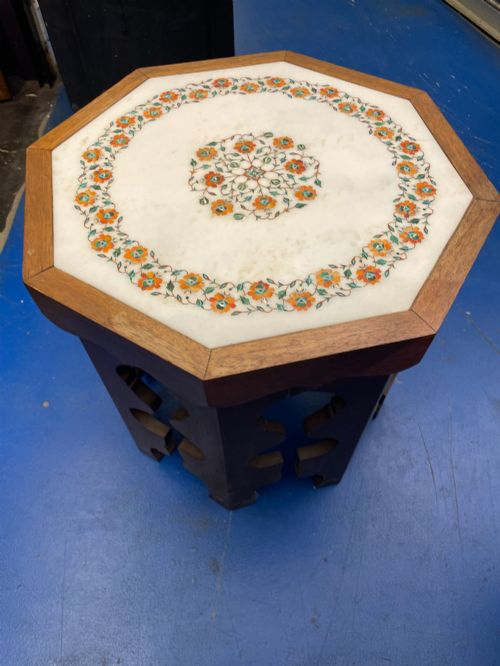
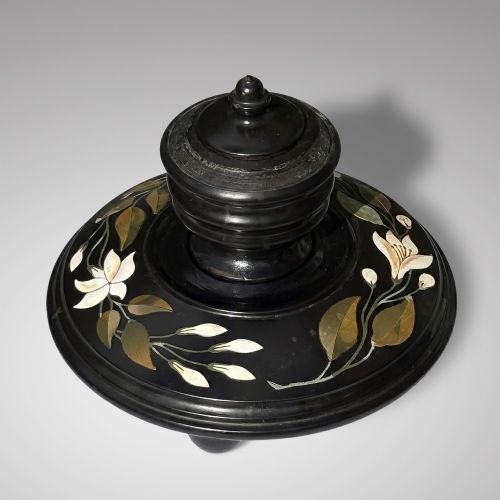
Floral pietra dura pieces are hardstone inlay works bringing botanical panels into marble tables, inkwells and boxes.
Floral Pietra Dura
Floral pietra dura works encompass small decorative objects and larger furniture pieces featuring inlaid hardstone botanical motifs. Buyers seeking this search phrase encounter items ranging from inkwells and obelisks to occasional tables and side cabinets.
The pieces on this page span the Victorian era, the nineteenth century and the early twentieth century, showing origins from Italy, England and India. Occasional tables and decorative marble boxes appear most frequently among these listings.
Makers and artisans utilised white marble, black marble, mahogany and ebonised wood as bases for these intricate stone mosaics. The combination of dark stone and brightly coloured semi-precious stones creates a striking visual contrast.
How they were made
Craftsmen shaped hard semi-precious stones by hand to fit precisely into recesses channelled out of a marble or stone base. The stones were held in place with adhesives and polished flat to create a smooth, continuous surface.
Bases of mahogany, ebonised wood or solid marble provide the structural support for the stone inlays. Brass mounts and gold settings occasionally frame the smaller decorative items like pendants and perfume boxes.
Materials recorded on this page include marble, mahogany, Ashford black marble, pietra dura, white marble, semi-precious stones, ebonised wood and brass.
What varies in quality
The precision of the stone joints dictates the standard of the mosaic work, where tighter seams indicate superior craftsmanship. The variety and depth of the semi-precious stones used for the floral petals also separate standard items from finer works.
The quality of the underlying support structure, whether a solid marble tabletop or a carved mahogany occasional table, influences the overall value. Intricate detailing in the surrounding woodwork or brass mounts adds to the distinction of the piece.
The Floral Pietra Dura Glossary
- Pietra dura
- Hardstone inlay technique using cut and fitted polished coloured stones to create pictorial designs. This Italian term translates literally to hard stone.
- Ashford black marble
- A dark limestone from Derbyshire used as a base for inlaid floral pietra dura work. Artisans utilised this local material for obelisks and inkwells during the nineteenth century.
- Occasional table
- A small movable table suited for various light uses around a room. These pieces frequently feature marble tops inlaid with floral hardstone designs.
- Obelisk
- A tall, four-sided, narrow tapering monument which ends in a pyramid-like shape at the top. Victorian examples in stone often incorporate inlaid botanical specimens.
Floral Pietra Dura: Frequently Asked Questions
How do I clean floral pietra dura?
Dust the stone surface gently with a dry soft cloth to remove everyday particles. Avoid using harsh chemical cleaners or abrasive materials that could scratch the polished marble and semi-precious stones.
Keep the pieces away from excessive moisture and direct sunlight to protect the adhesives used in the hardstone inlay. Professional conservation is recommended if any of the tiny stone sections become loose.
Where were these pieces made?
Production centres for these items include Florence in Italy, where the hardstone technique originated during the Renaissance. English workshops in Derbyshire also produced notable black marble pieces.
Other regional variations emerged from Anglo-Indian and Kashmir traditions during the nineteenth century. Artisans in these areas adapted the inlay methods using local materials and marble bases.
Are all floral pietra dura items tables?
Tables form a notable portion of the available inventory, particularly occasional and centre tables with marble tops. However, smaller decorative objects appear frequently across the listings.
Buyers can find inkwells, paperweights, obelisks, side cabinets, boxes and jewellery items like pendants. Each object applies the same hardstone mosaic technique to different functional forms.
What materials make up the base?
Bases typically consist of white marble, black marble or dark stones like Ashford black marble. These dense stones provide a stable surface for cutting the recesses needed for the inlay.
Wood bases also appear in the listings, including mahogany and ebonised wood. Some smaller decorative accessories utilise brass frames or gold settings to hold the stone panels.