
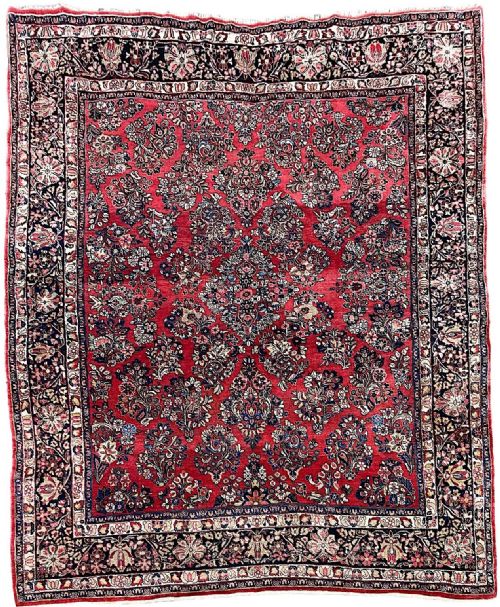


Floral Pattern Wool Carpet
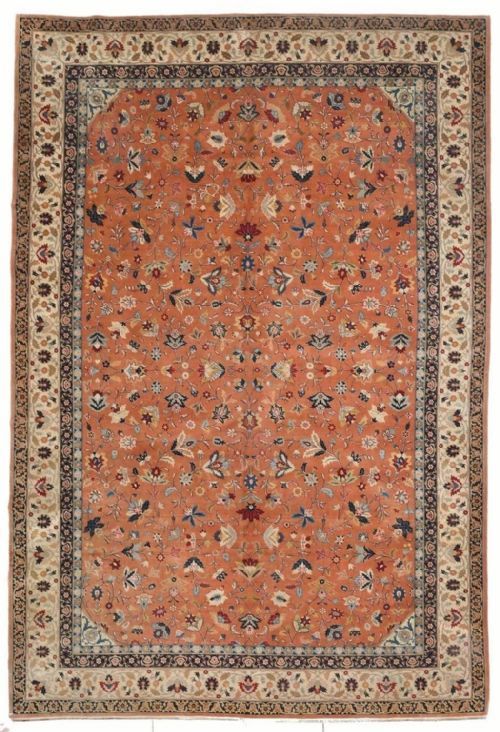
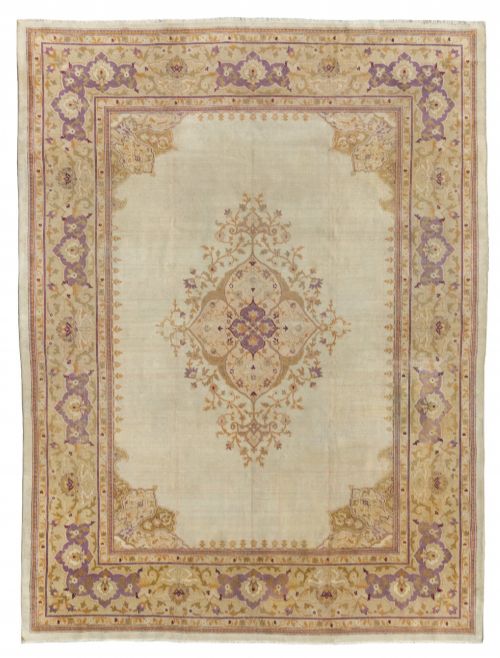
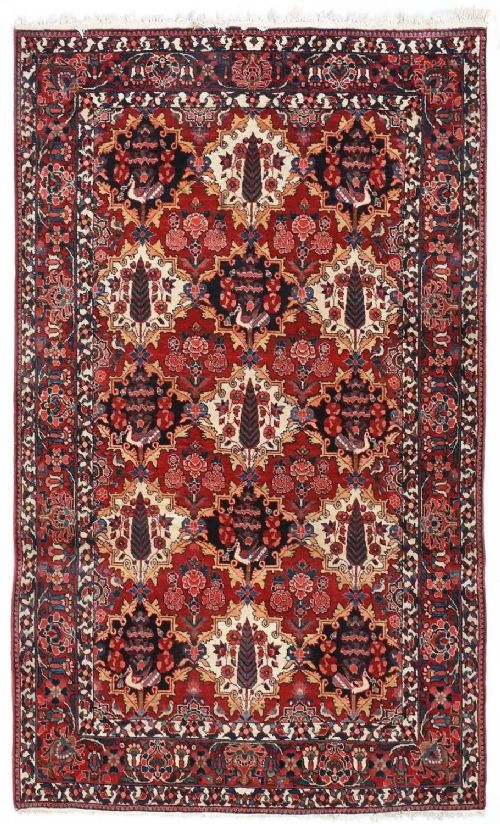
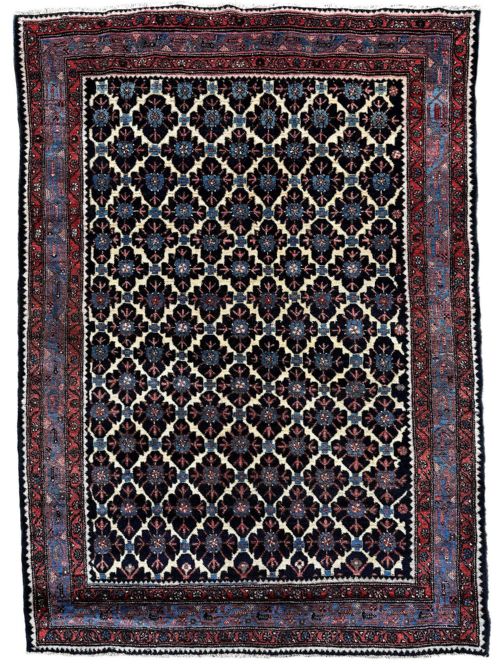
A floral pattern wool carpet brings centuries of textile tradition into a room, offering rich botanical motifs underfoot.
Floral Pattern Wool Carpet
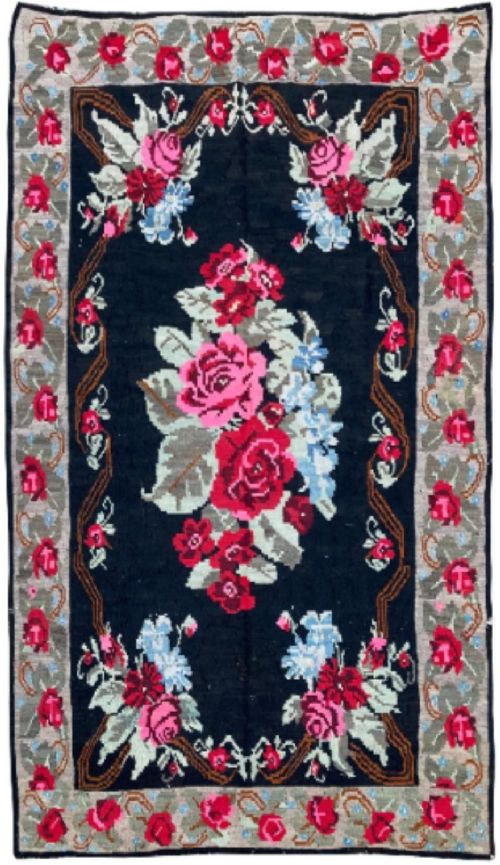
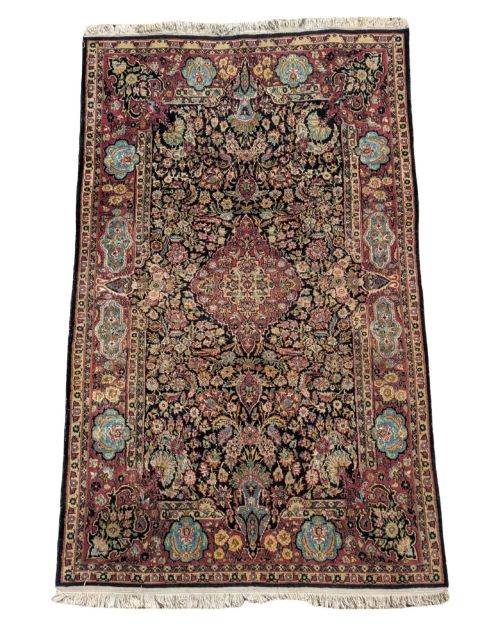
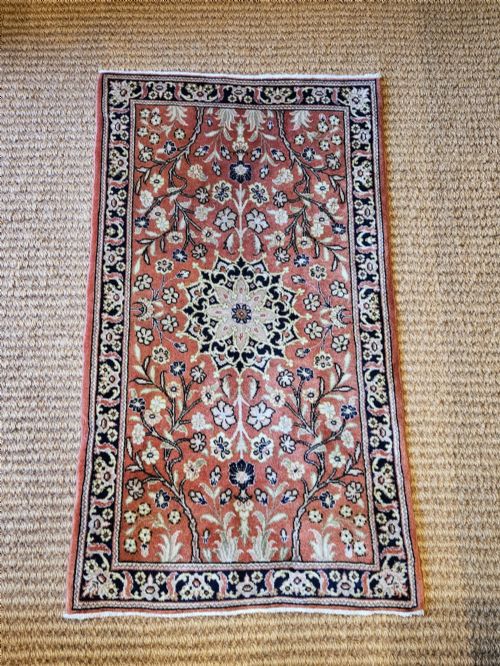
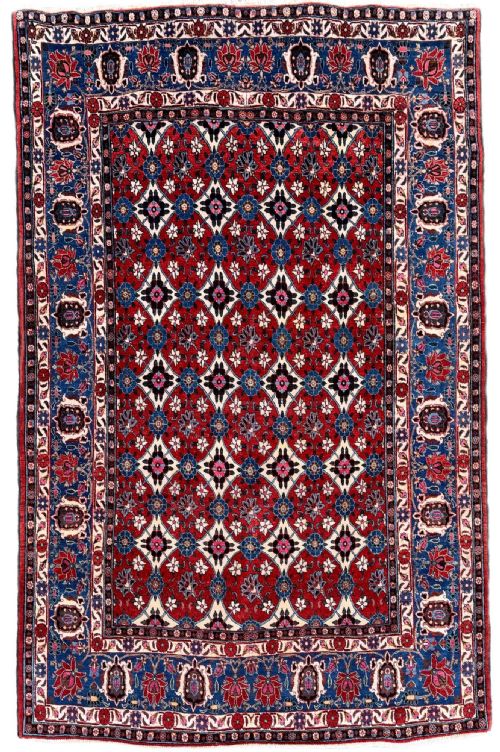
A floral pattern wool carpet encompasses woven floor coverings decorated with botanical motifs, flowers, and vines, drawing from Persian, Caucasian, Mughal, and Bessarabian traditions. These textiles range from room-sized carpets down to hearth-sized rugs, runner rugs, and kilims.
The pieces available span from the eighteenth century through the nineteenth century and into the early decades of the twentieth century. Buyers encounter regional village and city productions from centres such as Tabriz, Kashan, Mahal, Heriz, and Amritsar.
The primary forms found on this page are hand-woven area rugs and large carpets intended for principal living spaces. Traditional weavers utilised local wool, cotton foundations, and occasionally silk highlights to delineate botanical designs.
Materials and construction
These textiles rely predominantly on wool for the pile, chosen for resilience and warmth, paired with cotton or wool foundations for structural integrity. Selected examples incorporate silk highlights to accentuate specific floral details within the pattern.
Weavers constructed these carpets by hand-knotting or flat-weaving the fibres onto vertical or horizontal looms. Chain stitch embroidery techniques also appear in specific regional pieces like Kashmir rugs carrying Aubusson-inspired designs.
Early twentieth-century weavers occasionally borrowed French Aubusson layouts, proving that floral patterns love a passport.
Evaluating quality and execution
Quality rests in the density of the weave and the clarity of the botanical drawing, which determines how sharply the floral motifs render against the field. Finer knot counts allow complex curves in vine scrolls and blossoms to hold their geometry across the rug.
The selection of dye materials and the consistency of the wool yarn dictate the depth of colour and how the textile ages under foot traffic. Superior examples maintain structural soundness in the foundation and secure edge bindings alongside well-preserved pile height.
The Floral Pattern Wool Carpet Glossary
- Kilim
- A flat-woven carpet or rug produced without a pile, often featuring geometric and stylised floral motifs. These pieces are lighter and lack the dense tufted surface of knotted carpets.
- Medallion
- A central ornamental motif placed in the middle of the carpet field. It serves as the primary focal point around which floral sprays and vines are arranged.
- Pile
- The upright yarn loops or cut ends that form the soft surface of a knotted carpet. Pile depth influences the tactile feel and the durability of the textile.
- Warp
- The stationary vertical threads stretched tightly on the loom before weaving begins. The horizontal weft threads pass through these to anchor the knots.
- Weft
- The horizontal threads passed back and forth across the warp threads to secure each row of knots. Together, warp and weft form the woven foundation of the carpet.
Floral Pattern Wool Carpet: Frequently Asked Questions
Are these carpets suitable for heavy foot traffic?
Traditional wool carpets with dense knotting handle normal living room foot traffic well because wool fibres possess natural resilience. Placing a quality underlay beneath the rug prevents slipping and reduces abrasion against hard floors.
Finer silk highlight pieces or fragile eighteenth-century fragments require more careful placement away from heavy corridors. Lighter traffic preserves the remaining pile and structural integrity over decades.
How can I tell the origin of a rug?
Regional origin is identified through specific combinations of colour palettes, border designs, and knotting structures. Village workshops often display geometric interpretations of floral patterns, whereas city manufactories produce highly detailed curvilinear carpets.
Materials also offer clues, such as the distinct silk highlights found in certain Persian and Indian productions. Comparing the overall composition against documented regional types clarifies the provenance.
What is the difference between a rug and a carpet?
The distinction usually depends on physical scale and how the textile covers the floor. Carpets generally describe larger room-sized floor coverings, whereas rugs refer to smaller formats.
Both share similar hand-weaving techniques and wool materials, but terms like area rug, runner rug, and carpet denote size rather than construction method.