






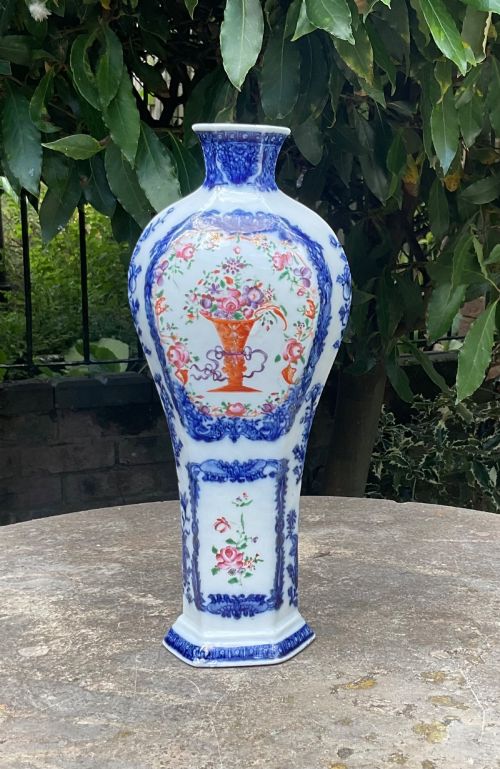
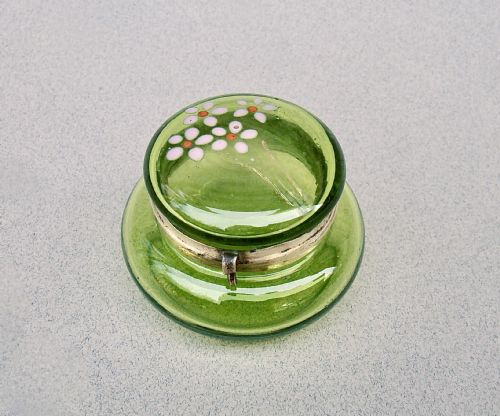
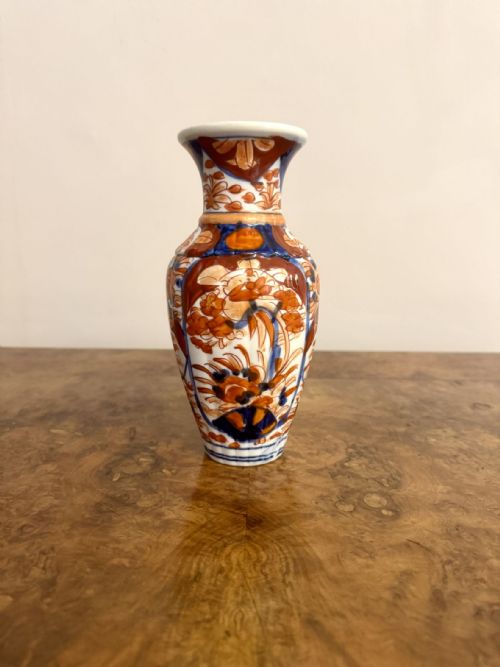
Floral Painted Jar
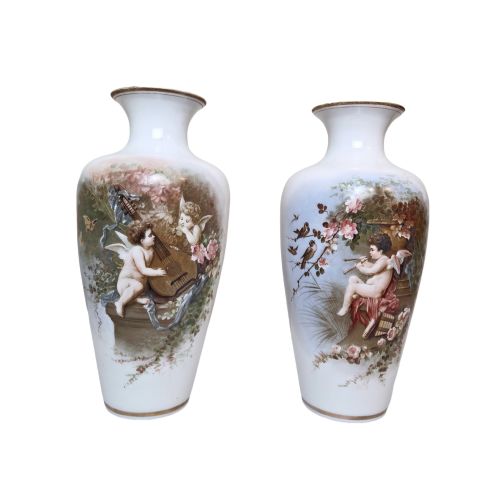
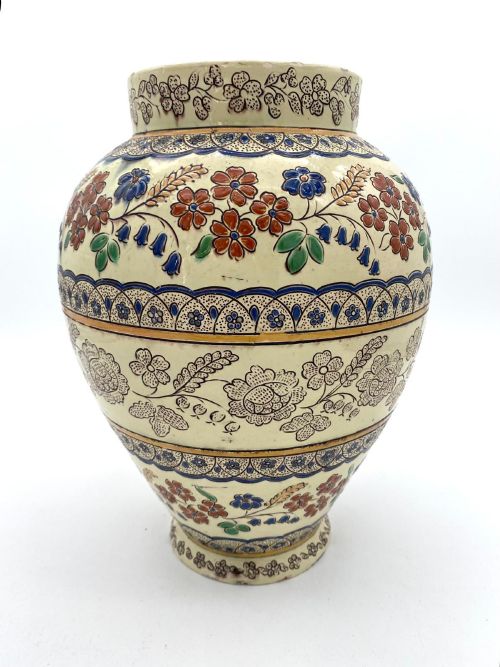
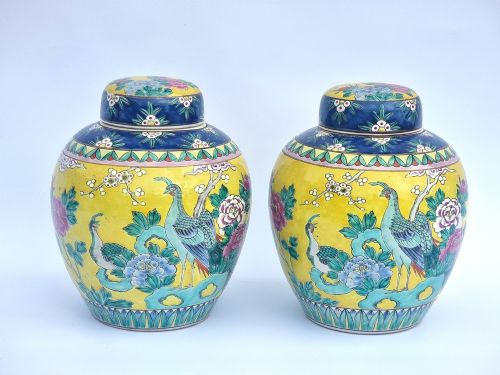
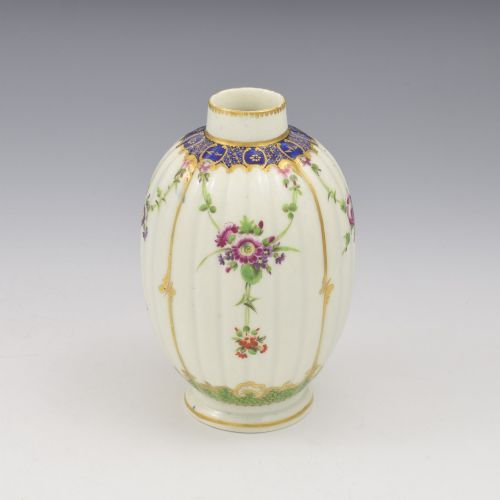
When you search for floral painted jar, you find vessels decorated with botanical motifs rendered in enamel, glaze, and pigment.
Floral Painted Jar
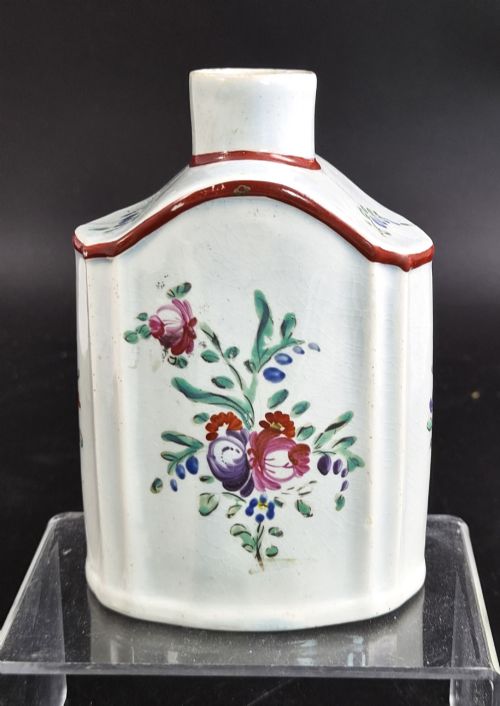
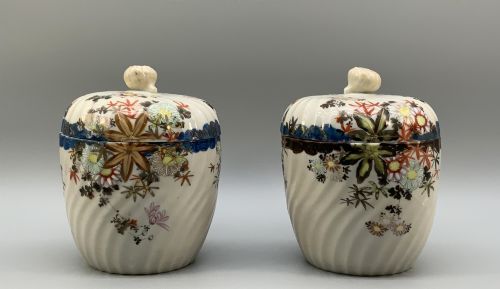
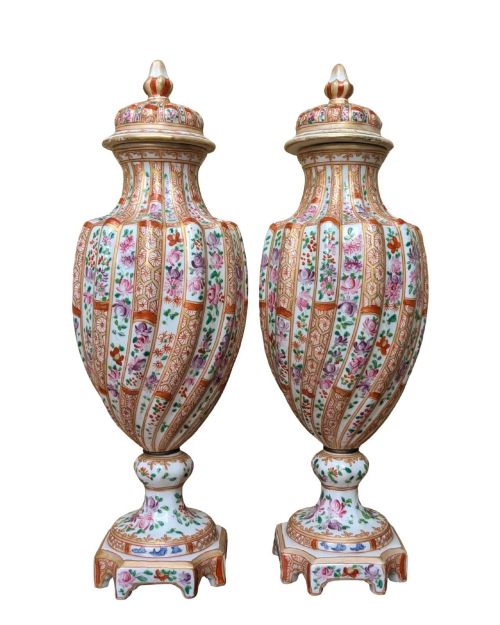
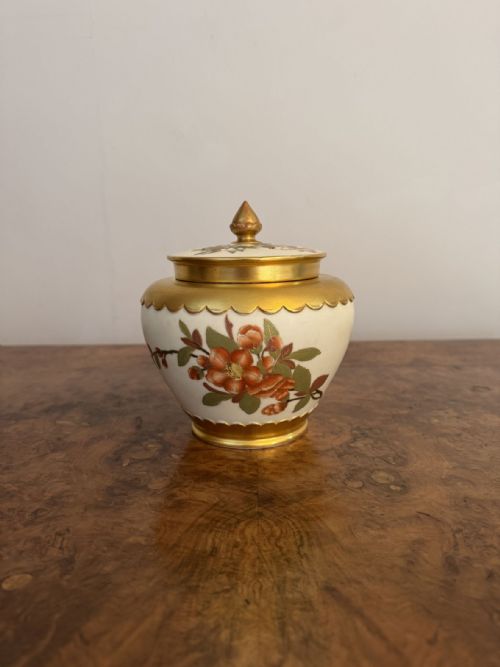
A floral painted jar brings together decorative vessels and lidded containers adorned with botanical scenes across various centuries. The selection encountered here spans ginger jars, tea caddies, potpourri pots, and lidded urns originating from English potteries, European factories, and Asian kilns.
You are most likely to meet 19th-century ceramic and porcelain examples, alongside glass pieces bearing enamel flora. These range from Japanese Imari wares and Chinese export porcelain to Victorian earthenware and Edwardian porcelain jars.
The forms serve both functional and ornamental purposes, historically holding tea, spices, or dried botanicals while displaying intricate hand-painted floral ornamentation. Their survival across periods highlights changing tastes in domestic decoration and international trade.
Materials and technique
Potters and glassmakers shaped these pieces using porcelain, earthenware, ceramic, and glass, applying glazes and enamel pigments by hand. Craftspeople utilised underglaze blues, polychrome enamels, and sometimes gold leaf or gilding to highlight the botanical details.
Firing techniques varied from high-heat kilns used for traditional porcelain and earthenware to lower-temperature enamel fixing on glass and metal-mounted vessels. Artisans painted floral motifs directly onto the prepared surfaces, often combining brushwork with moulded relief elements.
Floral Painted Jar Retail Price Guide 2026
Typical asking prices for floral painted jar among the pieces listed under this phrase on Sellingantiques today, from the lower quarter to the upper quarter. They describe what is for sale here now, not the wider market.
Listings feature porcelain, earthenware, ceramic, and glass materials spanning the 18th, 19th, and 20th centuries.
What varies in quality
Quality rests upon the precision of the hand-painted botanical brushwork and the clarity of the underlying glaze or glass body. Finer examples display meticulous detail in the floral execution and balanced composition across the contours of the jar.
The reputation of the maker and the preservation of delicate enamels or gilding also distinguish superior pieces from standard domestic wares. Original lids and matching covers maintained in intact condition elevate the integrity of the vessel.
Edme Samson·Royal Worcester·Doulton Lambeth·Samuel Alcock·Kinkozan
The Floral Painted Jar Glossary
- Ginger jar
- A ceramic vessel originally made for storing spices, featuring a wide body and a domed or flat lid.
- Famille rose
- A Chinese porcelain palette dominated by opaque pink or rose enamel colours introduced during the Qing dynasty.
- Imari
- Japanese export porcelain decorated in underglaze blue, iron red, and gold, typically featuring floral and panel designs.
- Enamel
- Opaque or transparent glass-like substance fused to ceramic, glass, or metal surfaces through kiln firing to add colour.
- Potpourri jar
- A lidded vessel perforated to release the scent of dried flower petals and spices kept inside.
Floral Painted Jar: Frequently Asked Questions
What were floral painted jars used for?
These jars originally served practical domestic functions such as storing dry goods, tea leaves, spices, or fragrant botanical mixtures. Over time, many transitioned into purely decorative objects displayed on mantelpieces and tabletops.
Their lidded forms kept contents secure while adding a decorative element to period interiors through detailed hand-painted floral motifs.
How do I identify the period of a jar?
Dating relies on examining the ceramic body, glaze characteristics, base marks, and the specific style of the painted floral decoration. Comparing the potting technique and colour palette with known factory production periods helps narrow down the decade or century of origin.
Makers' marks or impressed numbers underneath provide definitive clues when matched against historical factory records and pottery registers.
How do I care for antique ceramic and glass jars?
Display these vessels away from direct sunlight and areas subject to sudden temperature fluctuations to protect fragile enamels and glazes. Cleaning should be limited to gentle dusting with a soft, dry cloth rather than immersion in water.
Handling requires supporting both the base and the body, removing any loose lids separately before moving the main vessel.
Are original lids important for these jars?
Original matching lids significantly contribute to the completeness and historical integrity of a lidded jar or ginger pot. Many pieces survived centuries separated from their covers, making intact pairs harder to find.
When a lid matches the exact body clay, glaze tone, and painted floral pattern, it preserves the intended aesthetic balance of the maker's design.