
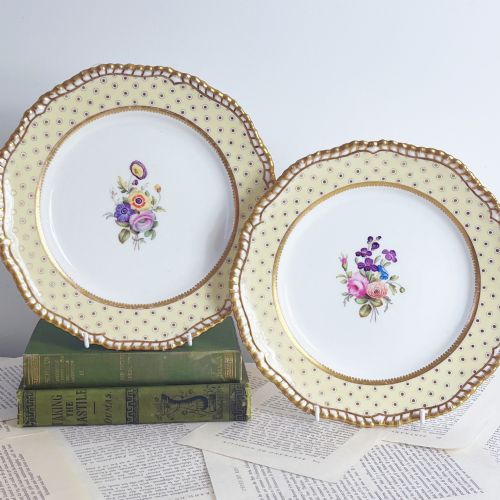
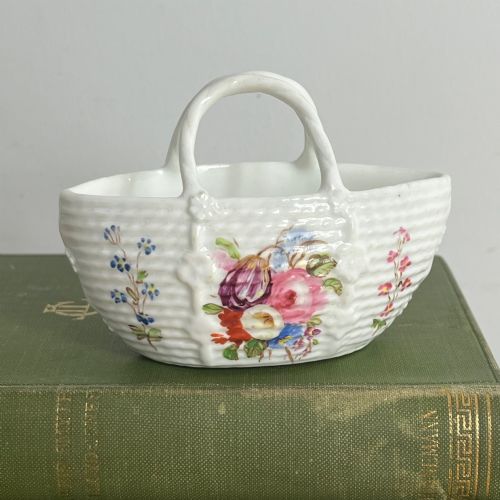


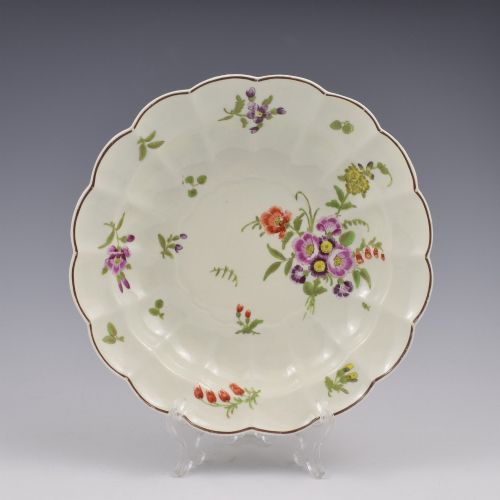
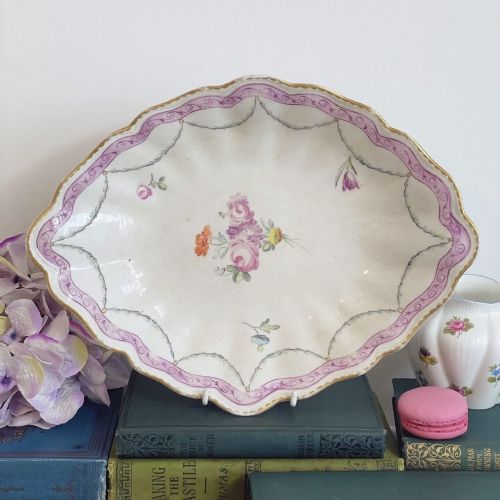


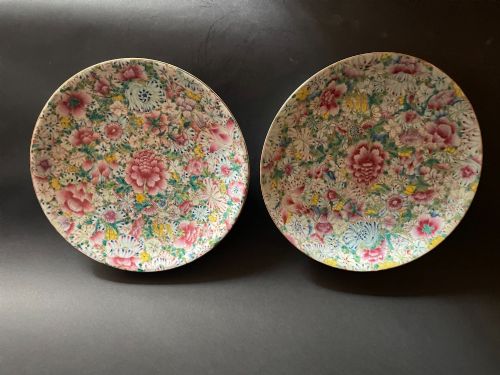
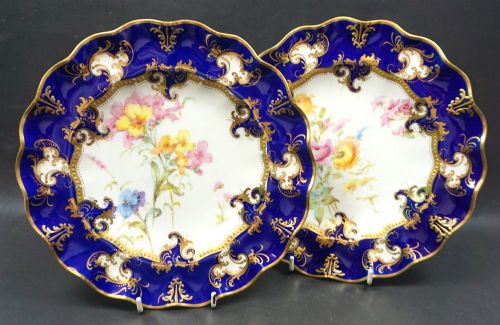

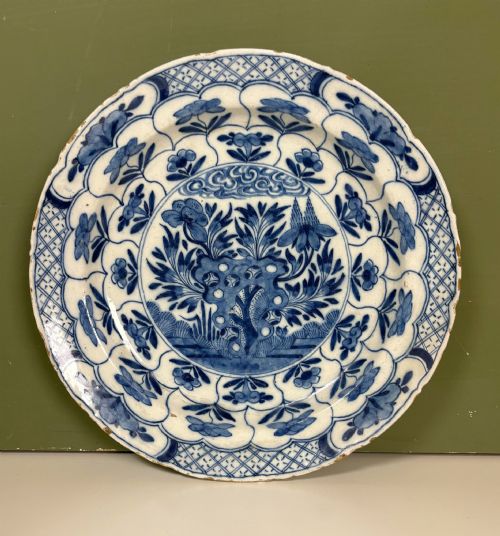
Floral Painted Dish
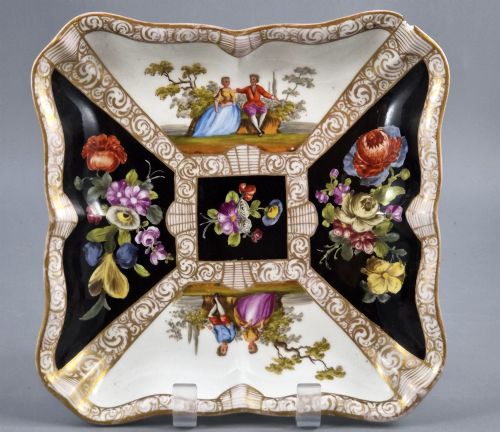
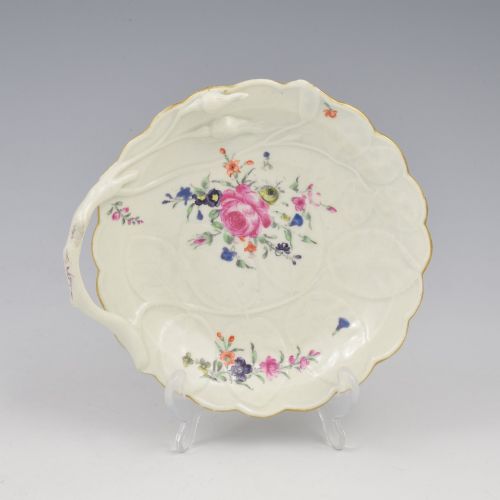
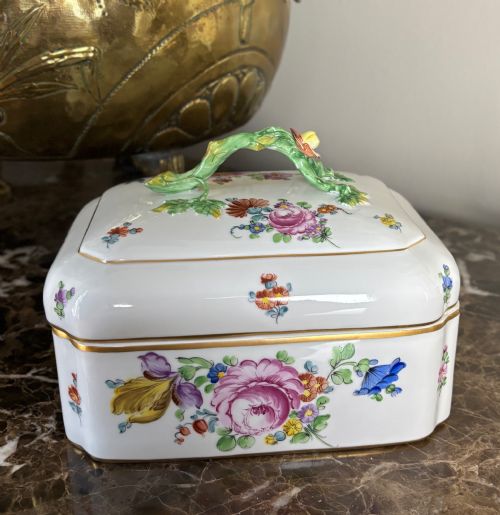
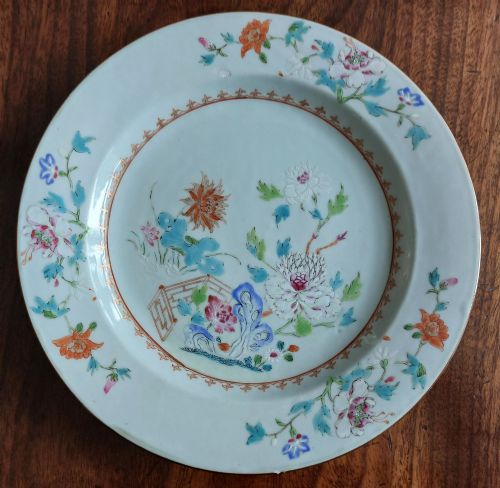
A floral painted dish brings hand-painted botanical charm to the table, and this selection ranges from eighteenth-century English soft-paste porcelain to nineteenth-century Japanese Imari chargers.
Floral Painted Dish
When you search for a floral painted dish, you encounter a variety of functional and decorative ceramic forms spanning multiple centuries. The selection on this page centres on eighteenth and nineteenth-century porcelain, earthenware, and ironstone items adorned with hand-painted botanical motifs.
The objects take many shapes, including serving dishes, cabinet plates, dessert bowls, and scalloped chargers. English factories such as Worcester, Derby, and Spode appear alongside continental porcelain and Japanese export wares.
Most examples originate from the Georgian, Regency, and Victorian periods, reflecting shifting tastes in domestic display and dining. Buyers find both individual cabinet specimens and matched pairs intended for formal service.
How they were made
Potters shaped these pieces using traditional paste bodies, including hard-paste porcelain, soft-paste porcelain, earthenware, and ironstone, before applying liquid glazes. Artisans then hand-painted floral motifs directly onto the surface using mineral pigments, often incorporating polychrome enamels.
Many items underwent multiple kiln firings to set the underglaze blues or overglaze enamel colours safely. Craftsmen frequently added gold leaf, gilding, or enamel highlights to rims and borders to frame the central floral subjects.
A surprising number of antique cheese dishes survived centuries of household storage intact.
What varies in quality
The skill of the botanical painter dictates much of the distinction between standard production and top-tier cabinet pieces. Precise brushwork, botanical accuracy, and careful shading elevate an item above simpler, repetitive factory decoration.
The crispness of the porcelain moulding, the brilliance of the glaze, and the preservation of the gilding or gold leaf also separate ordinary domestic wares from exceptional collector pieces.
Spode·Flight Barr & Barr·H & R Daniel·Meissen·Royal Crown Derby·Chamberlains Worcester·Hicks & Meigh·Royal Doulton·John Davenport
The Floral Painted Dish Glossary
- Soft-paste porcelain
- A glassy ceramic composition fired at lower temperatures than hard-paste porcelain, producing a warm, creamy body common in eighteenth-century English manufactories.
- Imari
- A Japanese export style characterised by iron red, underglaze blue, and gilt decoration on porcelain surfaces, widely imitated in Europe.
- Gilding
- The application of gold or gold leaf to ceramic surfaces, typically seen highlighting the rims, handles, and borders of service dishes.
- Polychrome
- The use of multiple distinct colours in painted ceramic decoration, frequently deployed for naturalistic floral sprays and botanical studies.
- Earthenware
- A porous, opaque ceramic body fired at relatively low temperatures, requiring an impermeable glaze to hold liquids effectively.
Floral Painted Dish: Frequently Asked Questions
Were these items meant for daily dining?
Many eighteenth and nineteenth-century ceramic items served functional roles at the dining table for desserts, sweetmeats, or cheese courses. Others functioned purely as decorative cabinet pieces.
Factory production catered to both affluent households requiring formal dinner services and middle-class homes seeking attractive mantle or sideboard displays.
How can I distinguish English wares from Japanese imports?
Examine the paste body, weight, and decorative palette to identify the origin. English factories typically utilised refined porcelain or ironstone with European floral or bird motifs.
Japanese pieces from the Meiji period or earlier often feature distinctive Imari palettes combining iron red and blue with heavy gilt detailing on crisp porcelain.
What does first period Worcester mean?
This term refers to porcelain manufactured at the Worcester factory during its initial foundation era under Dr John Wall. These early eighteenth-century pieces are noted for fine potting and distinct hand-painted blue and white or polychrome floral patterns.
Collectors prize these items for their historical importance and refined craftsmanship within early English ceramic history.