


Floral Motif Vase
These floral motif vase examples bring botanical artistry to a room, ranging from delicate Victorian glass to bold Art Nouveau pottery.
Floral Motif Vase
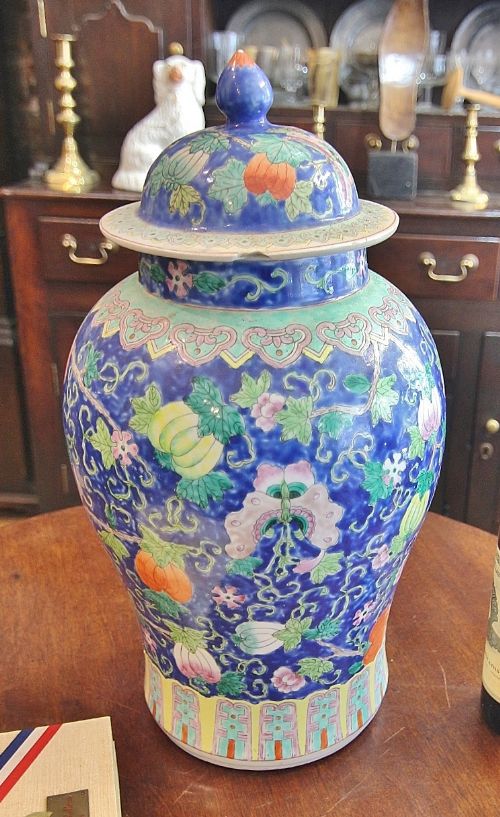
A floral motif vase displays botanical designs across various forms, including ginger jars, ewers, and tall vessels. The pieces span multiple eras, showing how different cultures and decades interpreted floral subjects on ceramics, glass, and metal.
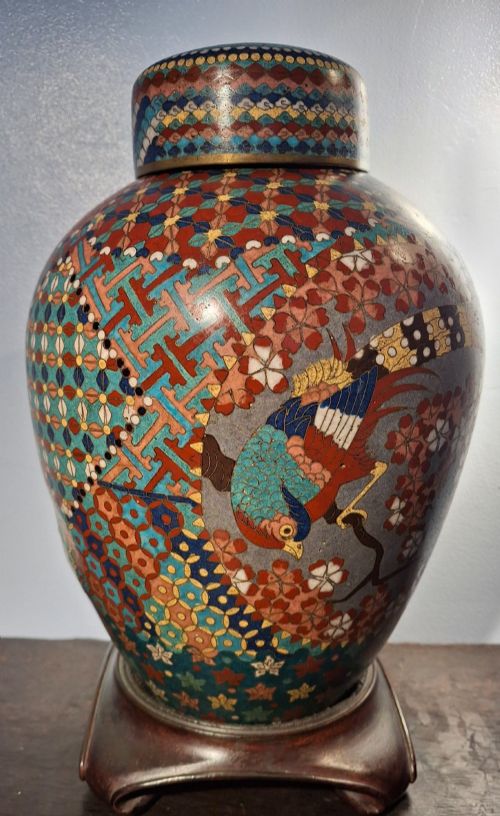
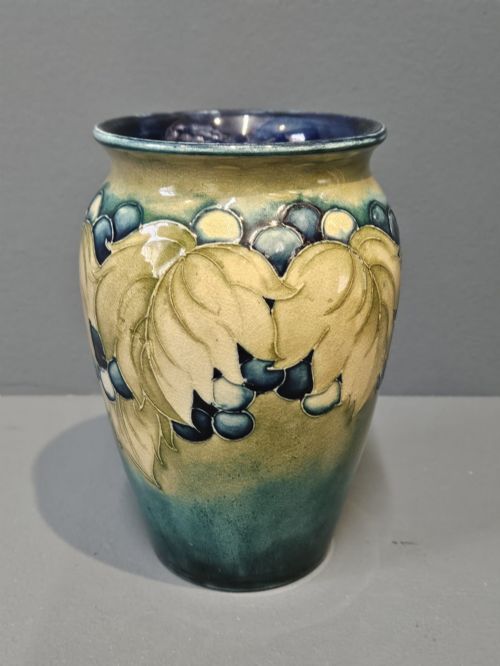
The selections available here lean heavily into Victorian porcelain, Japanese cloisonné enamel, and European Art Nouveau pottery and cameo glass. Buyers frequently encounter pieces that combine organic plant forms with traditional vessel shapes.
Materials and construction methods
Makers utilised ceramic, porcelain, earthenware, and glass as the primary foundations for these vessels, applying glazes and enamel paint to build up the surface decoration. Metal pieces incorporate copper wire for cloisonné work or cast bronze and brass with mixed metal elements.
Techniques range from cameo glass carving and porcelain overglaze painting to intricate wire-inlaid enamel work. Artisans shaped these materials by hand or used moulds before firing or metalworking to achieve the finished contours.
Materials in these listings include bronze, brass, copper, porcelain, earthenware, glaze, and cameo glass.
Distinctions in craftsmanship
Quality separates objects through the precision of the botanical detailing and the crispness of the enamel or carved layers. Finer items exhibit balanced compositions where the floral subject integrates cleanly with the vessel contour.
Material handling dictates the upper tier of pieces, seen in sharp cameo glass undercutting or meticulous cloisonné wire placement without surface flaws. Lesser examples show hurried paint application or heavy, unrefined moulding.
Charles Korschann·Galle·Ernst Wahliss·Daum Freres
The Floral Motif Vase Glossary
- Cloisonne
- Enamelwork in which enamel is applied to compartments made by soldering metal wires to the metal body. This technique creates distinct cell outlines that hold the coloured paste before firing.
- Cameo glass
- Glassware formed with two or more layers of differing colours, where the outer layer is carved away to leave a raised design. The method demands exceptional skill from the glasscutter.
- Ewer
- A large jug with a wide spout used historically for water, often styled with decorative handles and botanical motifs. They function primarily as ornamental display pieces in later periods.
- Celadon
- A pale green jade-like glaze originating in East Asian ceramics, prized for its subtle tone. It provides a quiet background for carved or painted plant decoration.
- Ginger jar
- A decorative ceramic container with a broad body and a domed lid, frequently decorated with naturalistic scenes. Originally used to store spices, they became popular ornamental objects.
Floral Motif Vase: Frequently Asked Questions
How do I care for antique glass and ceramic vessels?
Dust these pieces gently with a soft, dry cloth to protect fragile enamels and delicate glass surfaces. Avoid using commercial cleaners or submerging mixed metal items in water.
Keep them away from direct sunlight to prevent colours from fading over time, especially on painted porcelain and Victorian glass.
What periods do these botanical vessels represent?
The pieces span from the nineteenth century through the mid-twentieth century, capturing distinct design movements. Victorian, Meiji period, and Art Nouveau styles dominate the aesthetic range.
Twentieth-century Chinese and Art Deco examples also appear, showing how floral decoration adapted across decades and global workshops.
Can these jars and vases still hold water?
Many antique vessels, particularly cloisonné enamel items or converted lamp bases, are intended purely for display rather than practical use. Some historical ceramics develop hairline fractures or porous bodies that make them unsuitable for holding liquids.
Inspect the interior before filling any antique vase to ensure the material remains sound and watertight.
How do I distinguish Art Nouveau floral designs?
Art Nouveau floral pieces feature flowing, asymmetrical lines inspired by natural plant stems, blossoms, and seed pods. The ornamentation embraces curved, whiplash motifs rather than rigid symmetry.
Artists of this movement often combined organic forms directly into the structure of the bronze, pottery, or cameo glass body.