




Floral Motif Dish
A floral motif dish brings domestic tableware alive through botanical patterns executed in ceramic, copper, and cloisonne across various periods.
Floral Motif Dish
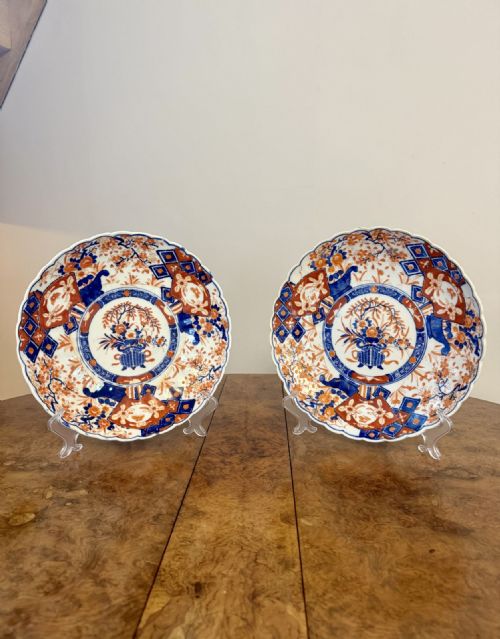
A floral motif dish encompasses decorative plates, chargers, bowls, and trays adorned with botanical patterns, spanning centuries of global craftsmanship. When exploring this selection, buyers frequently encounter Japanese Imari porcelain alongside Victorian majolica pottery and Chinese export ware.
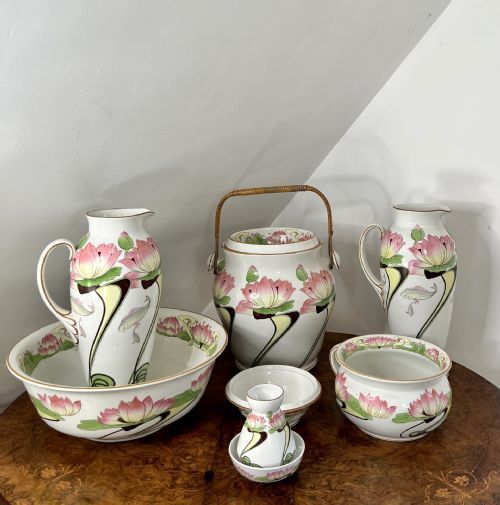
The assortment reaches from 18th-century Edo period pieces up to early 20th-century Art Nouveau items. Common forms include scalloped edge plates, large chargers, and wash basin sets incorporating floral and bird designs.
How they were made
Potters and artisans utilised ceramic, porcelain, earthenware, and copper as foundational bodies for these botanical designs. Decoration relied on applied glaze, enamel, and gold leaf, occasionally combined with metal wirework in cloisonne pieces.
Techniques varied from hand-painted blue and white underglaze on porcelain to raised ceramic moulding seen in majolica pottery. Artisans also applied low-relief metalwork onto copper trays to achieve distinct botanical textures.
Floral Motif Dish Retail Price Guide 2026
Typical asking prices for floral motif dish among the pieces listed under this phrase on Sellingantiques today, from the lower quarter to the upper quarter. They describe what is for sale here now, not the wider market.
Materials represented across the selection include porcelain, earthenware, copper, brass, enamel, and gold leaf.
What varies in quality
Quality rests upon the precision of the hand-painting, the clarity of the glaze, and the intricacy of the botanical detailing. Superior examples exhibit deliberate brushwork and well-preserved enamel or gold leaf application.
Subtle variations in the ceramic body, edge shaping, and overall symmetry distinguish standard production items from finer specimens. The crispness of relief work in metal trays and majolica pottery also marks the distinction.
The Floral Motif Dish Glossary
- Imari
- A style of Japanese porcelain featuring distinct blue, iron red, and gold decorative schemes. This tradition heavily influences many plates and bowls found in this category.
- Majolica
- A type of earthenware covered with an opaque tin-lead glaze and decorated with coloured metal oxides. It is frequently modelled with naturalistic plant and animal subjects.
- Cloisonne
- An ancient technique for decorating metalwork objects with coloured glass paste placed within compartments formed by thin metal strips. These items display vibrant floral surfaces.
- Charger
- A large decorative plate utilised historically for ceremonial presentation or as a base setting rather than for direct dining use. They often feature elaborate floral motifs.
- Edo Period
- The period in Japanese history spanning from the early seventeenth to the mid-nineteenth century. Works from this era often demonstrate refined ceramic traditions.
Floral Motif Dish: Frequently Asked Questions
What is a floral motif dish used for?
These pieces functioned historically as serving vessels, decorative chargers, or components of larger bathroom wash sets. Many items were designed primarily for display in domestic interiors rather than daily dining.
Today, collectors use them to introduce historical pattern and colour into room schemes, often mounting plates on walls or placing bowls on side tables.
How do I clean an antique dish?
Dusting with a dry, soft cloth is generally sufficient for regular maintenance of ceramic and copper surfaces. Avoid abrasive cleaners or soaking pieces with gold leaf or enamel.
Water washing should be done cautiously, particularly on earthenware and items with delicate overglaze decoration, to preserve the original materials.
How can I tell the period of a piece?
Dating relies on examining the characteristics of the ceramic body, the style of the botanical painting, and any underlying manufacturing marks. Victorian and Art Nouveau items often display distinct relief moulding or European registry stamps.
Japanese Imari and Chinese export pieces reveal their age through the specific tones of blue underglaze and the handling of iron red and gold enamel.
Are these dishes safe for food?
Most antique ceramic and metal vessels in this category are intended for decorative display rather than modern culinary use. Older glazes and metallic decorations can be sensitive to acidic foods and frequent washing.
Enjoying these items visually preserves the delicate enamel, glaze, and copper surfaces from modern wear and tear.