


Floral Inlay Mirror
These floral inlay mirror pieces combine rich timber frames with intricate botanical marquetry, bringing classical warmth and detailed craftsmanship into a room.
Floral Inlay Mirror
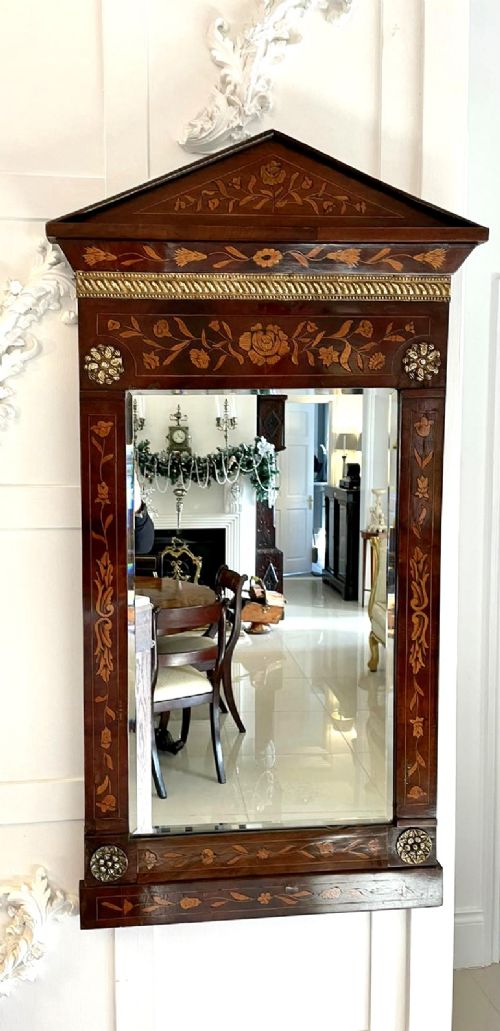
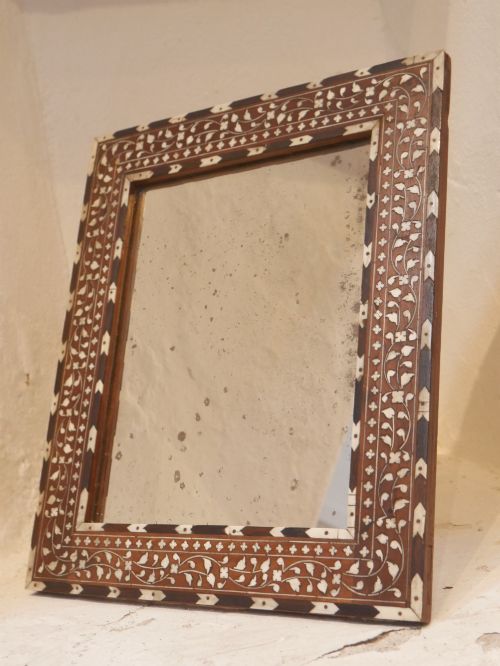
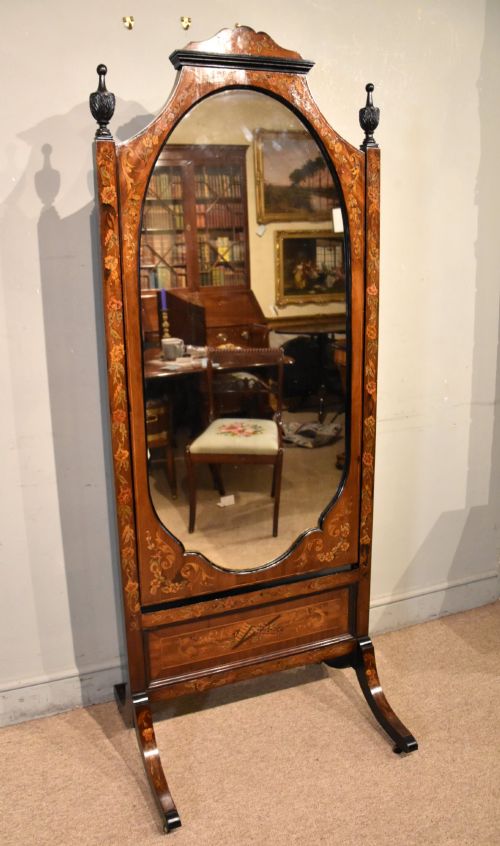
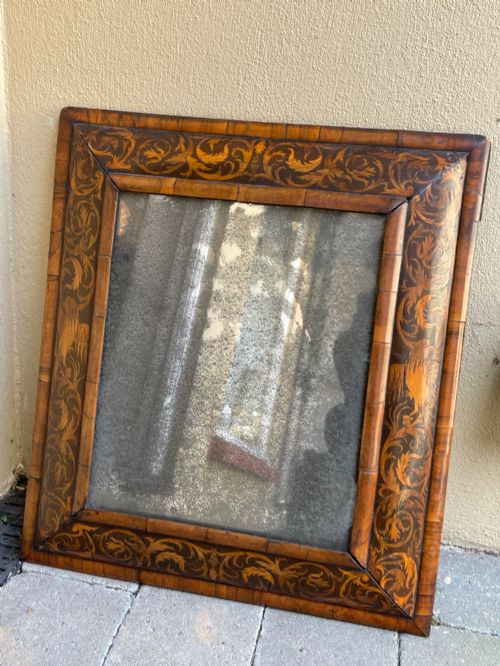
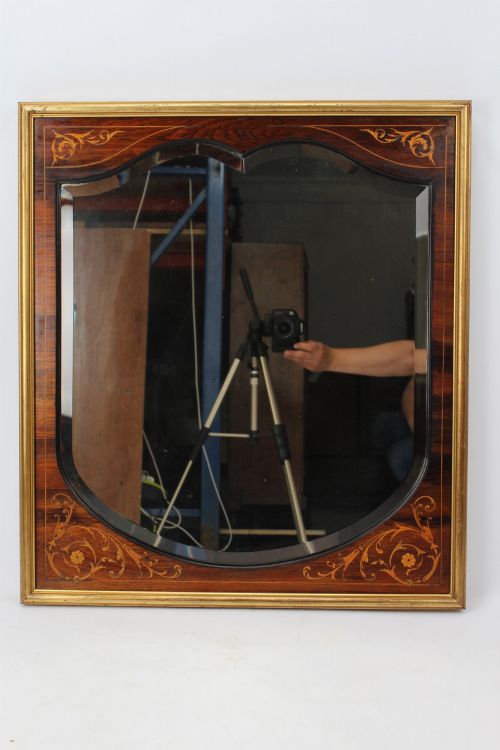
A floral inlay mirror brings together functional glass and decorative wood marquetry, most commonly seen here in hanging wall mirrors, toilet mirrors, and dressing table swing mirrors. These pieces originate from various periods including the seventeenth, eighteenth, and nineteenth centuries, spanning styles from William and Mary to Victorian and Art Nouveau. Buyers searching for a floral inlay mirror will frequently encounter Dutch marquetry examples featuring elaborate botanical motifs set into rich primary woods.
The domestic role of these looking glasses ranged from functional dressing aids in bedrooms to decorative statements in principal reception rooms. Wall-mounted versions provide vertical focal points, whilst table-top toilet mirrors sit upon dedicated dressing tables or chests of drawers. Each form utilises contrasting timbers to build up the floral and foliate patterns that define the group.
How they were made
Cabinet makers constructed the foundational carcases and frames using dense hardwoods such as mahogany, walnut, and rosewood, often applying veneers to stable underlying timber. Glass plates were housed securely within rebated frames, sometimes accompanied by gilt accents or brass mounts depending on the period. The structural integrity relies on traditional joinery methods appropriate to the centuries of manufacture.
The distinctive decorative surfaces are created through marquetry and wood inlay techniques, employing lighter contrasting materials like boxwood and fruitwood. Craftsmen cut intricate floral, leaf, and scroll designs by hand, fitting the pieces meticulously together before gluing them into recessed channels in the primary wood. This method requires steady precision to achieve seamless transitions between the background timber and the botanical details.
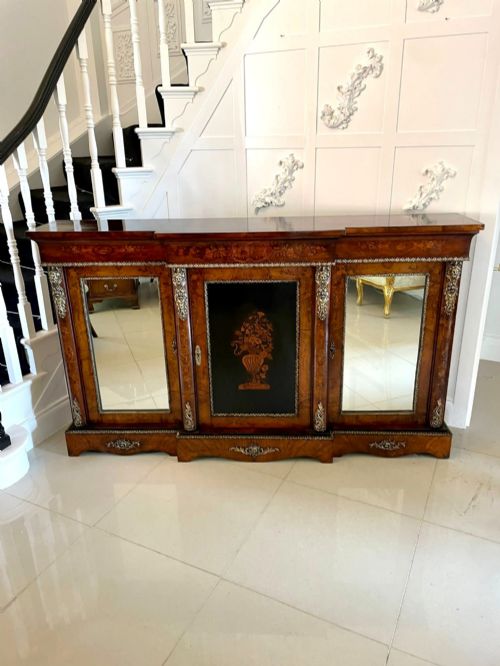
Object forms range from wall-mounted mirrors and toilet swing mirrors to side cabinets and display furniture.
What varies in quality
The fineness of the botanical marquetry dictates much of the visual success, separating crude geometric insertions from fluid, deeply shaded floral compositions. Superior examples demonstrate meticulous cutting where individual petals and stems fit tightly without excessive filler, maintaining crisp outlines across the entire frame. The choice of underlying timbers also establishes grade, with rich burr walnut or figured mahogany providing a superior ground for the inlaid details.
Proportion and structural harmony separate standard workshop output from exceptional cabinet work. A well-balanced frame integrates the mirror glass and the surrounding floral ornament without visual heaviness, retaining original bevels or plate characteristics where appropriate. The depth of colour and the preservation of the natural wood grain beneath the polish complete the distinction between ordinary and distinguished specimens.
The Floral Inlay Mirror Glossary
- Marquetry
- A decorative technique applying pieces of veneer to a structure to form ornamental designs and pictures. In these pieces, it primarily depicts floral and foliate subjects.
- Toilet mirror
- A smaller looking glass designed to stand upon a dressing table, chest, or desk. Many feature pivoting swing frames supported by upright arms.
- Boxwood
- A dense, pale yellow wood frequently utilised in marquetry and stringing for its bright contrast against darker timbers like mahogany and walnut.
- Cushion mirror
- A looking glass frame featuring a rounded, convex profile that swells outwards towards the outer edge. This profile enhances the play of light across the timber veneers.
Floral Inlay Mirror: Frequently Asked Questions
Where should I hang a floral inlay mirror?
These mirrors suit spaces where natural light can catch the polished wood and reveal the fine botanical marquetry details. Hallways, living rooms, and above bedroom mantelpieces provide effective settings.
Ensure the hanging height allows comfortable viewing while keeping the decorative frame visible as a primary wall art piece.
How do I care for antique wood frames?
Maintain the timber by keeping the mirror away from direct heat sources and sudden humidity changes that could affect the veneers. Regular dusting with a soft, dry cloth protects the polished surface without moisture damage.
Avoid modern chemical polishes that can build up a residue and dull the historic finish of the marquetry.
What is the difference between a toilet mirror and a wall mirror?
Toilet mirrors are portable items designed to sit on top of furniture, typically featuring a movable glass plate on a dedicated stand. Wall mirrors incorporate hanging hardware to mount directly onto vertical room surfaces.
Both types utilise the same floral inlay techniques but serve different functional positions within a historic interior.
How do I identify a William and Mary style mirror?
William and Mary period pieces often display cushion-moulded frames with intricate floral marquetry executed in walnut and exotic woods. They date around the late seventeenth or early eighteenth centuries and possess a distinct architectural presence.
The craftsmanship reflects the early adoption of elaborate veneering techniques popular among elite European cabinet makers of that era.