






Floral Ginger Jar
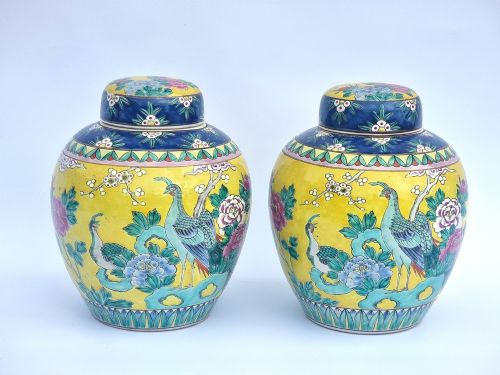
A floral ginger jar brings centuries of international trade and vibrant colour into a room, serving as both a decorative centrepiece and a practical vessel.
Floral Ginger Jar
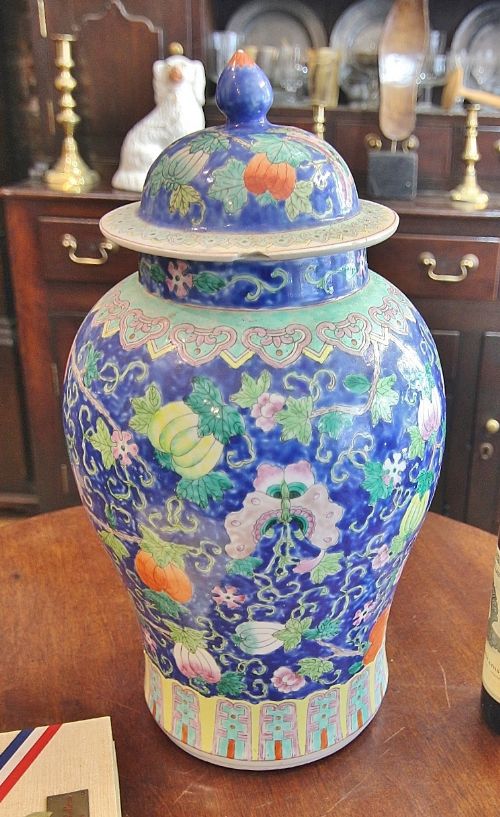
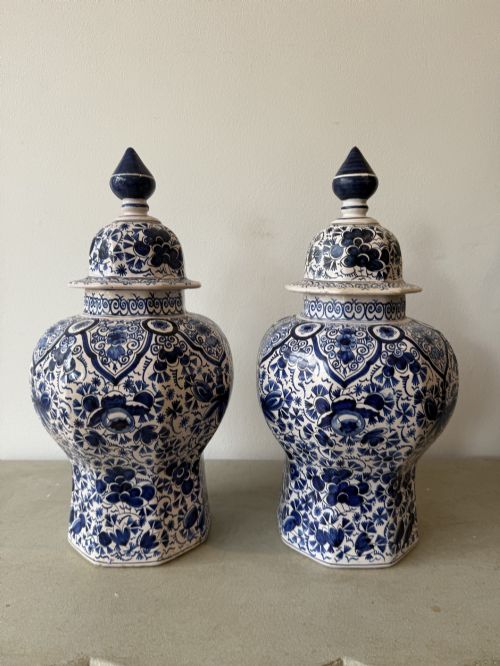
A floral ginger jar is a lidded vessel originally designed for holding spices, which evolved into a purely decorative form found in porcelain, ceramic, and enamel. When searching for a floral ginger jar, buyers encounter forms ranging from traditional Chinese porcelain and Japanese Imari to European interpretations like Dutch Delftware and English earthenware.
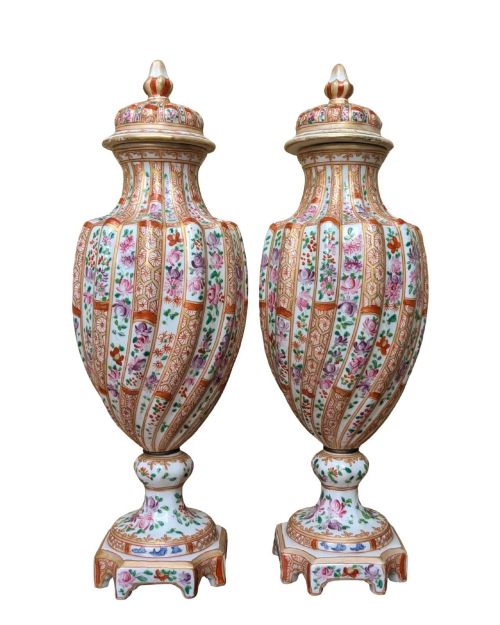
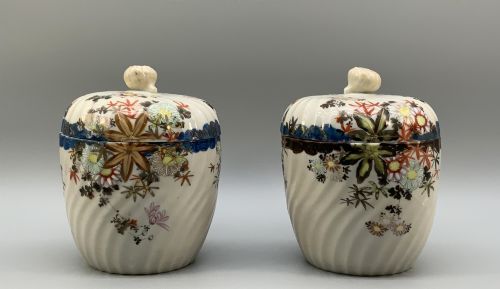
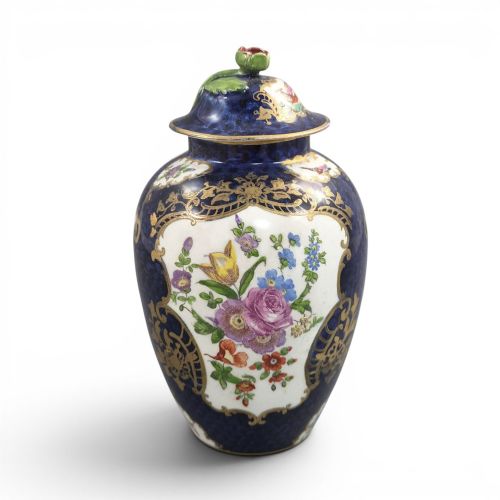
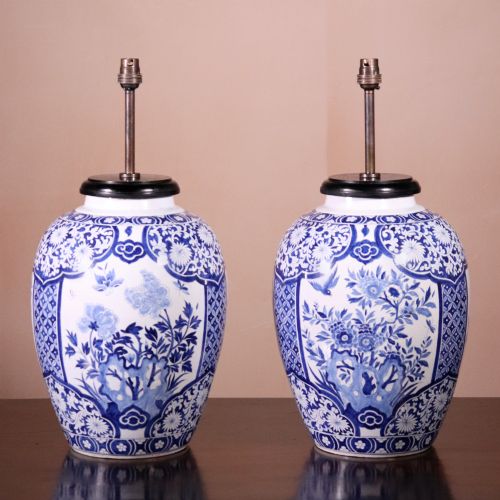
The pieces on this page span the nineteenth and twentieth centuries, including Meiji period Japanese cloisonne, Victorian reproductions by makers such as Edme Samson, and later twentieth-century productions. These vessels appear as standalone lidded jars, pairs, baluster vases, and even converted table lamps.
Form and scale vary considerably, from compact cabinet pieces to large floor-standing urns. The floral decoration unites these diverse origins, often incorporating birds, foliage, and intricate geometric borders executed in blue and white or polychrome palettes.
Materials and construction
Metalwork examples utilise cloisonne techniques, where copper or brass bodies receive soldered wire cells that are subsequently filled with coloured enamel and fired. Gold leaf and bronze mounts occasionally accent these ceramic and enamel bodies, particularly on pieces adapted for use as table lamps.
Floral Ginger Jar Retail Price Guide 2026
Typical asking prices for floral ginger jar among the pieces listed under this phrase on Sellingantiques today, from the lower quarter to the upper quarter. They describe what is for sale here now, not the wider market.
Several jars have transitioned from holding kitchen spices to illuminating reading nooks as electrified table lamps.
Assessing quality and execution
Quality rests upon the crispness of the hand-painted detail and the precision of the form. Superior examples display confident, fluid brushwork on the floral motifs and perfect symmetry in the thrown ceramic body or applied wirework.
The brilliance and stability of the enamel or glaze separate finer pieces from simpler productions. Well-fired ceramics show smooth, even surfaces without excessive pitting, and cloisonne works feature tightly fitted wire cells with polished, uniform enamel infills.
Edme Samson·Booths Silicon China·Royal Winton·Herend
The Floral Ginger Jar Glossary
- Cloisonne
- Enamelling technique where thin metal wires form raised cells on a copper or brass base to hold coloured glass paste before firing. This method creates intricate mosaic-like patterns across the surface of the jar.
- Famille Rose
- Chinese ceramic palette introduced in the eighteenth century, dominated by opaque pink enamel derived from colloidal gold. European factories frequently copied these vibrant floral schemes.
- Imari
- Japanese porcelain style originating in Arita, characterised by underglaze blue combined with iron red, gold, and secondary enamel colours. The floral and brocade designs are typically dense and highly decorative.
- Baluster
- Architectural term describing a vase shape with a rounded lower body that tapers towards a narrow neck and flares at the rim. Many traditional ginger jars share this balanced silhouette.
- Delftware
- Tin-glazed earthenware produced in the Netherlands and England, famous for blue and white decoration mimicking Chinese porcelain. It offers a softer ceramic body than high-fired oriental porcelain.
Floral Ginger Jar: Frequently Asked Questions
What were ginger jars originally used for?
These lidded vessels served primarily to transport and store spices, herbs, and salted ginger along maritime trade routes.
As the trade expanded, Western buyers repurposed the empty jars as ornamental household objects displayed on mantelpieces and tables.
How do I identify a Meiji period piece?
Meiji period Japanese items, particularly cloisonne and Imari wares, date from between eighteen sixty-eight and nineteen twelve.
They are characterised by meticulous craftsmanship, dense geometric or floral compositions, and refined metalwork finishes.
Are these jars waterproof?
Many ceramic and porcelain examples can hold water if they lack electrical conversions or drainage holes.
However, older earthenware and metal-mounted pieces are best used dry to protect the historic glazes and interior surfaces.
How can I tell old porcelain from reproductions?
Examine the foot rim and the base for signs of age, wear, and the specific characteristics of the glaze.
Nineteenth-century European copies often mimic earlier styles intentionally, while authentic Asian pieces display period-specific potting techniques.