



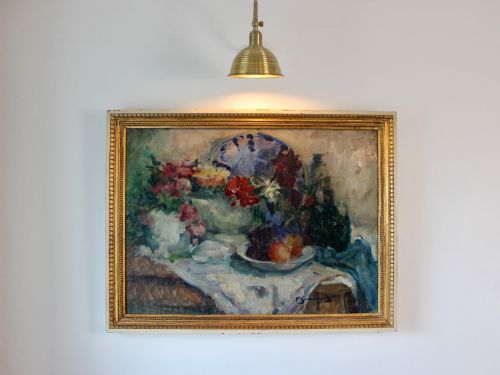


Floral Fine Art
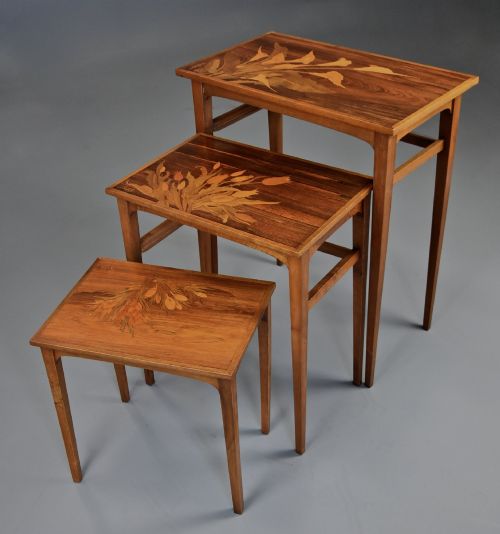
Floral fine art brings together oil paintings, ceramic vessels and jewellery that capture blooms through the lens of various periods.
Floral Fine Art
Floral fine art spans canvas oil paintings, detailed ceramic vases, and diamond-set brooches celebrating botanical subjects. Buyers encounter traditional still life canvases alongside Japanese cloisonné and earthenware pottery from distinct eras.
The selection ranges from nineteenth-century oil paintings on canvas to mid-century modernist interpretations and Art Deco jewellery. Works originate from British, French, Belgian, Hungarian, and Japanese makers, each applying regional styles to floral themes.
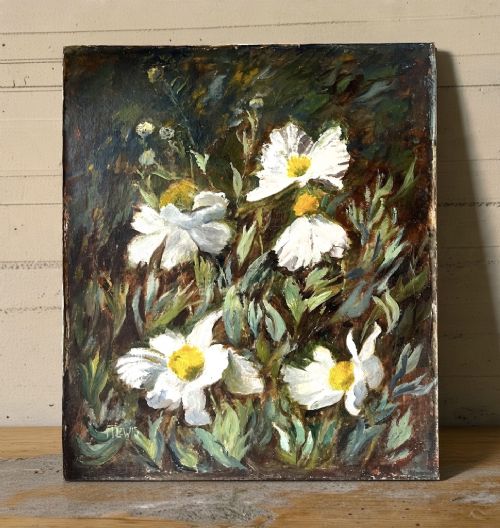
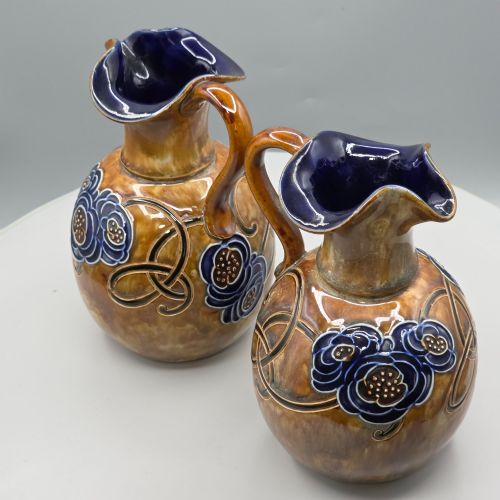
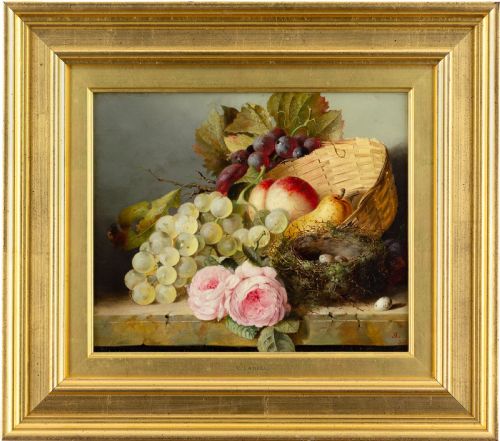
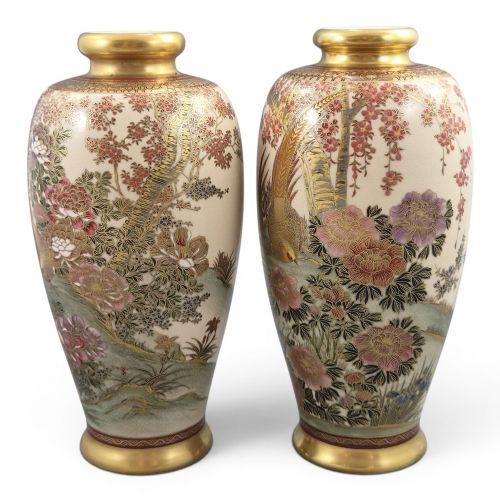
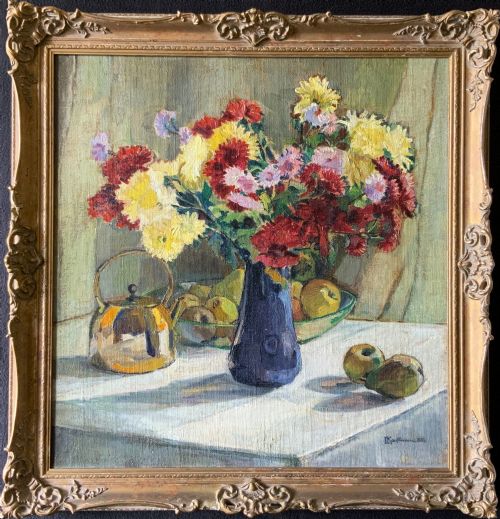
Canvas oil paintings and framed boards dominate the selection, often depicting still life arrangements or garden landscapes. Ceramic jugs and vases introduce three-dimensional forms painted or glazed with floral motifs.
Materials and construction
Painters relied on oil paint applied to stretched canvas or wooden board, building up textured petals and foliage with brushwork. Canvases frequently sit within gilt frames that complement the botanical subjects.
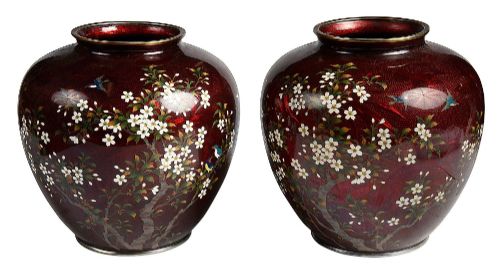
Ceramic pieces utilise earthenware or faience bodies decorated with enamels, slip, or cloisonné wirework to delineate flower petals and stems. Artisans fired these vessels to fix the coloured glazes and metallic details.
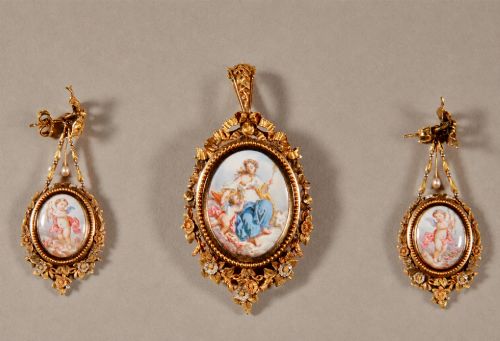
Jewellery incorporates platinum or white gold set with diamonds to form floral spray brooches and cluster earrings. Precious metals are shaped to hold stones securely while mimicking the natural curves of leaves and blossoms.
Floral Fine Art Retail Price Guide 2026
Typical asking prices for floral fine art among the pieces listed under this phrase on Sellingantiques today, from the lower quarter to the upper quarter. They describe what is for sale here now, not the wider market.
Canvas and oil paint dominate the flat art works, while Doulton Lambeth represents the primary ceramic origin.
Distinctions in quality
Artistic execution sets superior oil paintings apart, visible in the handling of light, shadow, and botanical accuracy across petals and leaves. Named artists with recorded exhibition histories command greater consideration than anonymous or naive works.
Ceramic quality depends on the crispness of the moulding, the complexity of the glaze or enamel work, and the reputation of the pottery. Well-defined cloisonné cells and balanced slip decoration indicate skilled studio production.
Jewellery relies on the clarity and cut of the diamond stones alongside the precision of the platinum or gold mounting. Fine metalwork maintains delicate proportions while securely anchoring the gemstones.
Edward Ladell·Alice Euphemia Thatcher·Sir George Reid·Ernest Higgins Rigg·Beatrice Parsons
The Floral Fine Art Glossary
- Still life
- An artwork depicting inanimate subject matter, typically featuring arranged cut flowers in vases or baskets. This genre focuses on composition, light, and colour harmony.
- Cloisonné
- A metalwork technique where thin wire is soldered to a vase body to create compartments that are filled with enamel paste. Firing melts the paste to form vibrant coloured designs.
- Faience
- Tin-glazed earthenware popular in nineteenth-century studio pottery. Artisans painted botanical designs directly onto the opaque white or coloured glaze before firing.
- Impressionism
- A style of painting that emphasises spontaneous brushstrokes and the shifting qualities of natural light. Practitioners capture overall visual effects rather than microscopic detail.
- Platinum
- A dense, silvery-white precious metal utilised in twentieth-century jewellery mountings. Its strength allows for exceptionally fine settings in diamond brooches and earrings.
Floral Fine Art: Frequently Asked Questions
How do I care for antique oil paintings?
Keep oil paintings away from direct sunlight and fluctuating humidity to prevent canvas tension issues and paint cracking. Dust the surface gently with a soft, dry brush without applying pressure.
Avoid using water or chemical cleaners on the paint layer. Consult a professional restorer if the canvas requires cleaning or structural repair.
Where were Doulton Lambeth vases made?
Doulton Lambeth pottery was produced in South London during the late nineteenth and early twentieth centuries. The studio employed talented artists who decorated earthenware and stoneware bodies by hand.
Pieces often feature incised monograms or signatures from individual decorators alongside the factory stamp. This allows collectors to trace specific pieces to master artisans.
What is Meiji period cloisonne?
Meiji period cloisonné refers to Japanese metalwork created during the reign of Emperor Meiji. Artisans achieved remarkable technical precision, producing vessels with intricate wirework and flawless enamel.
These pieces frequently depict naturalistic floral and bird motifs against dark enamel grounds. They represent a high point in Japanese decorative arts exported to Western markets.
How do I style floral fine art?
Pair botanical oil paintings with neutral wall backgrounds to let the colours of the blooms stand out. Consider grouping ceramic vases on sideboards or mantelpieces to create focal points.
Mix mediums by displaying framed paintings alongside period pottery or wearing vintage diamond floral brooches. Ensure placement protects delicate materials like canvas and enamel from environmental hazards.