



Floral Etched Light Shade
These floral etched light shade examples bring soft, diffused illumination and period character to a room through traditional glass and brass construction.
Floral Etched Light Shade
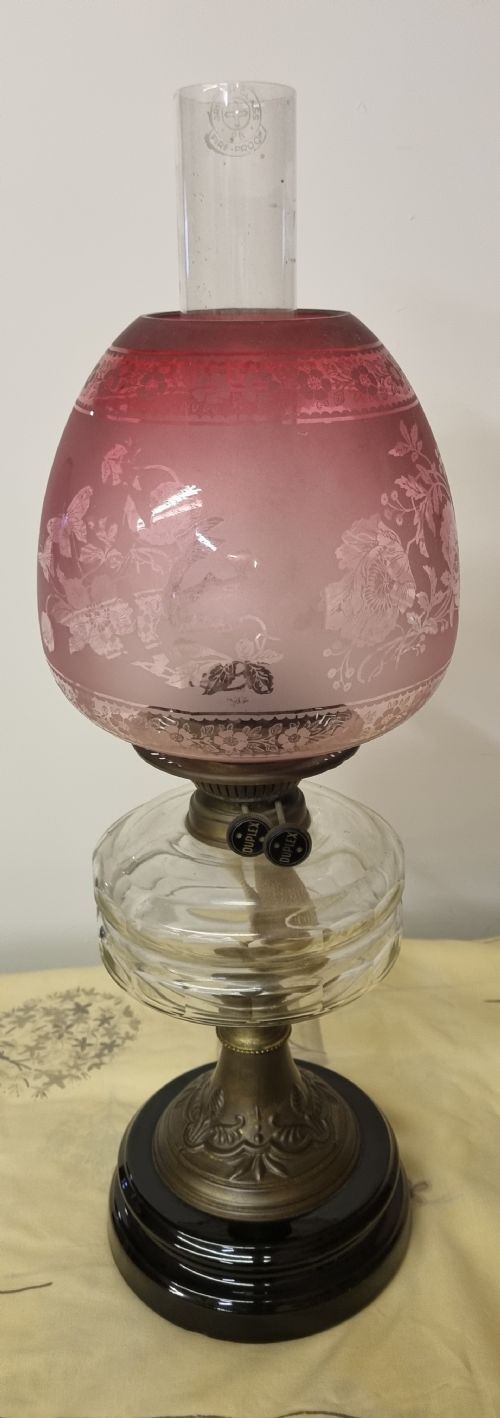
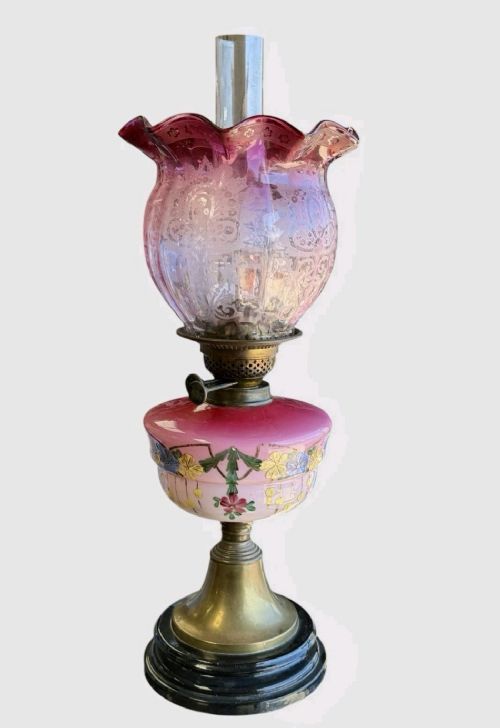
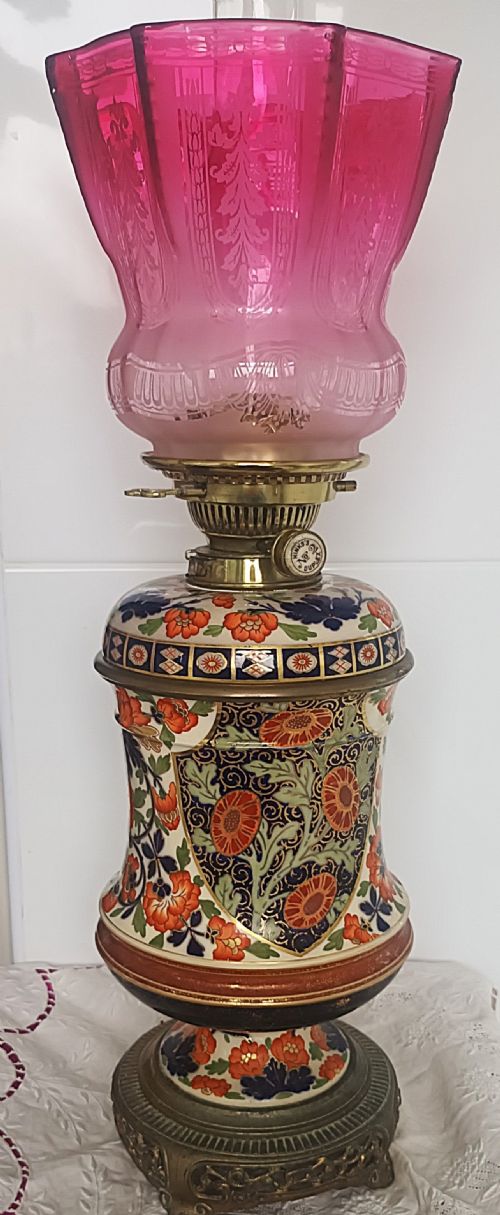
A floral etched light shade sits atop oil lamps, pendant lights, and hall lanterns, filtering the glow through decorative botanical motifs. You meet these pieces mostly in Victorian and early twentieth century incarnations, often paired with brass or ceramic bodies.
The selections span from late nineteenth century oil lamp globes to nineteen-thirties hall lanterns. These fittings combine functional lighting with domestic ornament in glass, porcelain, and cranberry glass.
How they were made
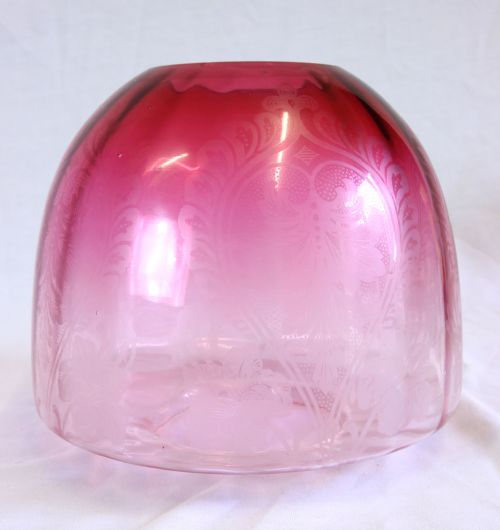
Glassmakers utilised techniques such as surface etching and hand-painting to create botanical designs across cranberry, green, and clear glass shades. Metal components rely on cast brass and silver-gilded frames to support the heavier glass bowls and globes.
Ceramic bodies and porcelain fonts incorporate hand-painted details beneath the glaze, while slate and metal provide stable bases for larger table lamps.
Floral Etched Light Shade Retail Price Guide 2026
Typical asking prices for floral etched light shade among the pieces listed under this phrase on Sellingantiques today, from the lower quarter to the upper quarter. They describe what is for sale here now, not the wider market.
Victorian households relied on cranberry glass shades not just for decoration, but because the rosy tint supposedly flattered evening complexions.
What varies in quality
Quality rests upon the crispness of the glass etching and the depth of colour within cranberry or green glass. Heavier metal castings and finer hand-painted details separate standard production items from superior examples.
The integrity of the glass surface and the weight of the supporting brass or porcelain components determine the overall calibre of each lighting fixture.
The Floral Etched Light Shade Glossary
- Cranberry Glass
- A rich red-pink glass created by adding gold chloride to the molten batch during manufacture. It forms a striking coloured shade on Victorian oil lamps.
- Hall Lantern
- An enclosed hanging light fixture designed for entrance hallways and corridors. Examples often feature glass panels held within brass or silver-gilded frames.
- Etched Glass
- Glass decorated by applying acid to eat away the surface, leaving a frosted botanical pattern. This technique softens the glare from the internal light source.
Floral Etched Light Shade: Frequently Asked Questions
What periods do these shades come from?
The available pieces originate largely from the Victorian era, alongside Edwardian and nineteen-thirties examples.
Production dates stretch from the mid-nineteenth century through to the interwar period.
How were these shades originally used?
They served primarily as protective and decorative globes for oil lamps and early indoor lighting. The glass diffused the bright flame while adding colour and pattern to domestic interiors.
Later examples transitioned into hanging hall lanterns and ceiling lights.
What materials are most common?
Glass is the predominant material for the shades themselves, often found in cranberry or green hues. Brass, porcelain, and ceramic appear frequently in the accompanying lamp bodies and bases.
Some lanterns incorporate slate and silver-gilded metal work.
How do I identify a Victorian shade?
Victorian pieces typically display deep cranberry colours, frilled edges, or distinct hand-painted floral motifs on heavy glass. They are frequently associated with nineteenth-century oil lamps.
Later nineteen-thirties items tend toward simpler brass and glass hall lantern designs.