





Floral Bone China Teacup
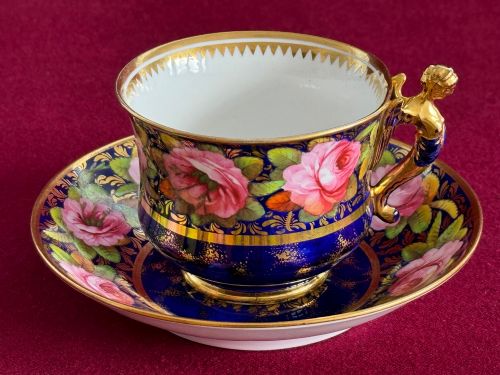
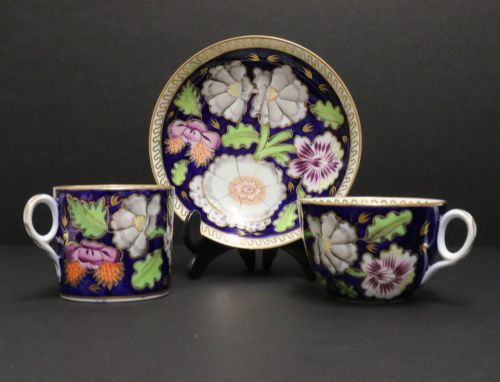
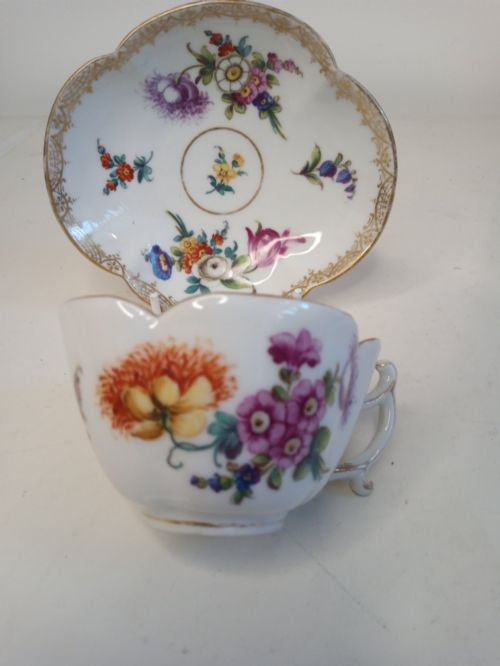
These floral bone china teacup examples bring Regency hand-painted pink cabbage roses, Edwardian trailing daisies, and rich gold gilding straight to your cabinet.
Floral Bone China Teacup
When you search for a floral bone china teacup, you encounter delicate porcelain trios, duos, and cabinet cups spanning the Georgian, Regency, Victorian, and early twentieth-century periods.
The selections range from individual hand-painted tea and coffee cup trios to complete twenty-one-piece tea sets and larger tea and coffee services.
Most items on this page combine bone china or porcelain with hand-painted floral motifs and gilt detailing, reflecting the changing tastes from the early 1800s through the 1930s.
How they were made
Makers utilised bone china and porcelain bodies, shaping them into cabinet cups, saucers, and trios that were subsequently fired and glazed.
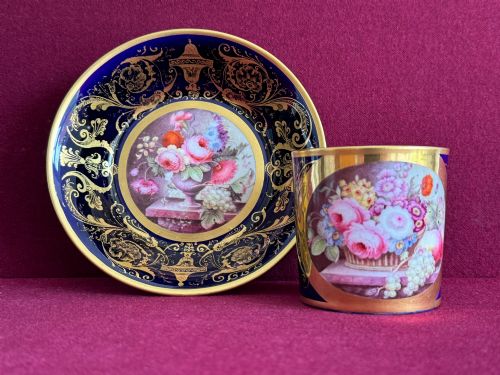
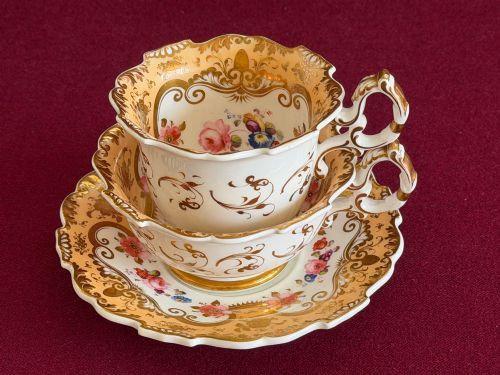
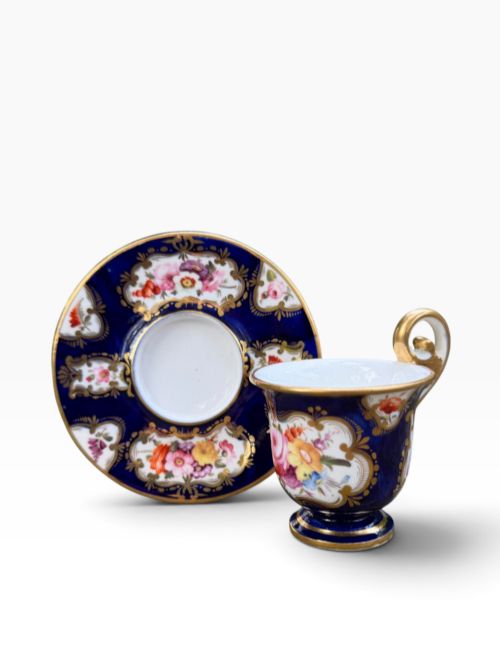
Artisans applied hand-painted enamels for floral subjects such as pink cabbage roses, trailing daisies, and oak and mistletoe patterns.
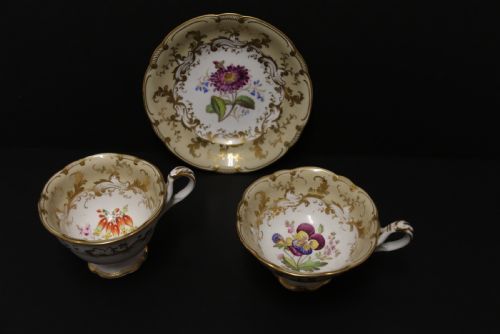
The finishing touches involved the application of gold leaf and gilding to rims, handles, and borders to elevate the elegance of the teaware.
Floral Bone China Teacup Retail Price Guide 2026
Typical asking prices for floral bone china teacup among the pieces listed under this phrase on Sellingantiques today, from the lower quarter to the upper quarter. They describe what is for sale here now, not the wider market.
Listings span from the Georgian period through the 1930s, utilising bone china, porcelain, gold leaf, and enamel across various tea sets and cabinet cups.
What varies in quality
The precision and detail of the hand-painted floral motifs distinguish finer sets from simpler production pieces, particularly in early nineteenth-century examples.
The application of gold leaf and the crispness of the gilding vary significantly, affecting the overall visual weight and refinement of the teacup and saucer.
The complexity of the ceramic form, such as specialised cabinet cup shapes versus standard teaware, dictates the tier of craftsmanship involved.
H and R Daniel·Davenport·Coalport·Newhall·Minton·Yates·Wileman Foley Shelley·Royal Albert Crown China·Royal Worcester
The Floral Bone China Teacup Glossary
- Bone china
- A type of soft-paste porcelain incorporating bone ash, known for its high strength, chip resistance, and translucent body.
- Cabinet cup
- A decorative teacup intended more for display in a cabinet than for daily tea service use.
- Trio
- A matching set comprising a teacup, a saucer, and a corresponding side or tea plate.
- Gilding
- The application of gold leaf or gold paint to ceramic surfaces, typically accentuating rims and handles.
- Demitasse
- A small cup used for serving espresso or strong black coffee, popular in twentieth-century production.
Floral Bone China Teacup: Frequently Asked Questions
How do I date an antique teacup?
Dating relies on examining the ceramic body, handle shape, pattern style, and any maker marks underneath the glaze. Early nineteenth-century pieces often feature hand-painted botanical studies and distinct Regency forms.
Later Edwardian and twentieth-century sets introduce transfer-printed elements alongside hand-colouring, reflecting the mass-production techniques of their respective decades.
What is the difference between a trio and a duo?
A duo consists strictly of a teacup and its matching saucer, designed for basic beverage service. A trio includes the teacup and saucer paired with a matching side plate for cakes or small pastries.
Both configurations appear frequently in early nineteenth-century cabinet sets and twentieth-century tea services.
Can I use these antique teacups for drinking tea?
Many collectors prefer to keep delicate porcelain and bone china teacups for display or gentle occasional use. The fine handles and thin walls of early nineteenth-century examples require careful handling during washing and drinking.
Cabinet cups, in particular, are often appreciated visually rather than utilised for daily beverages.
How should I clean antique bone china?
Hand washing in warm water with a mild detergent is the safest method for preserving hand-painted enamels and delicate gold gilding. Avoid soaking pieces for extended periods or placing them in modern dishwashers.
Using a soft cloth prevents scratching the antique glaze and protects the fragile ceramic rims.
What does cabinet cup mean?
A cabinet cup refers to an ornate or highly decorative teacup produced primarily for display within a glass-fronted cabinet rather than everyday table use. These pieces often showcase superior hand-painting and elaborate gilding.
They frequently survive in trio formats from the Regency and Victorian periods.