






Floor Plant Stand
These floor plant stand examples combine utility and display, offering strong vertical presence for botanical decoration across multiple historic periods.
Floor Plant Stand
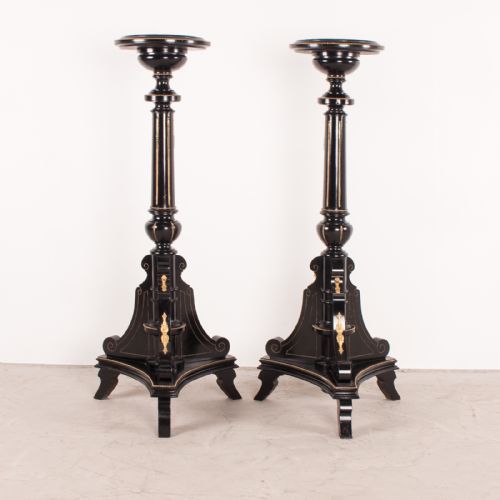
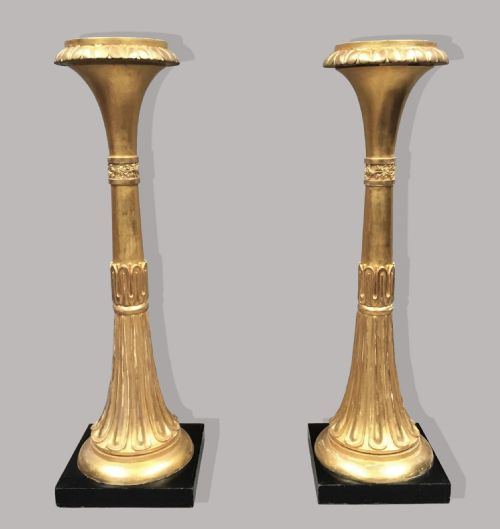
A floor plant stand serves to elevate greenery and decorative objects, ranging from brass jardinieres on original legs to large wooden torcheres. When searching for a floor plant stand, buyers encounter tall pedestals, columns, and tripod stands designed specifically to support heavy jardinieres or ornamental vessels.
The selections span various centuries, featuring Victorian, Regency, and 18th Century origins alongside French Napoleon III and Art Nouveau expressions. Many forms double as torchieres, lantern stands, and vase stands.
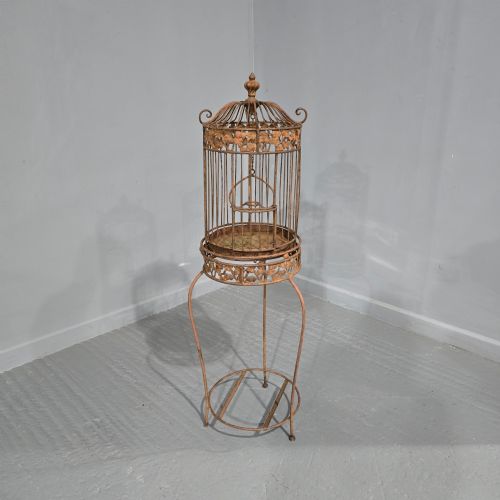
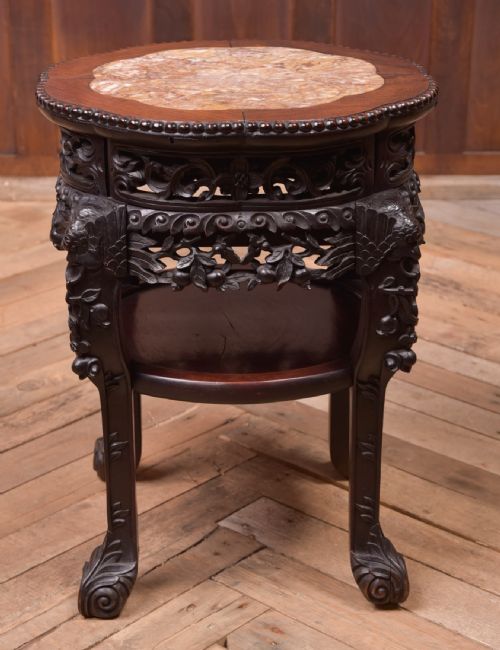
Materials vary widely from ebonised wood and wrought iron to cast iron, mahogany, and giltwood. Pieces often arrive as matched pairs or substantial single columns suited for prominent room placement.
Materials and construction
Construction relies heavily on traditional carpentry and metalwork, utilising woods like mahogany and ebonised wood alongside cast and wrought iron. Skilled artisans carved wooden columns, pedestals, and dragon motifs by hand, applying giltwood, gesso, or paint finishes for decorative depth.
Metal components, particularly brass planters and bronze torchere pedestals, involve casting and patination techniques suited to heavy daily use. Marble tops frequently appear inlaid into wooden or gilded frames, providing a durable surface for heavy vases and damp pots.
Floor Plant Stand Retail Price Guide 2026
Typical asking prices for floor plant stand among the pieces listed under this phrase on Sellingantiques today, from the lower quarter to the upper quarter. They describe what is for sale here now, not the wider market.
Current listings demonstrate materials spanning brass, giltwood, mahogany, and wrought iron across the Victorian, Regency, and 18th Century periods.
Assessing quality and craftsmanship
Quality rests on the crispness of carved details in wood and the structural integrity of heavy iron or bronze elements. Original stands paired with their correct jardinieres command greater attention than assembled alternatives.
Surface treatments, such as genuine gilding, painted finishes, and ebonisation, show distinct degrees of preservation. Superior examples retain original mounts, stable bases, and well-fitted marble inserts without modern structural reinforcement.
The Floor Plant Stand Glossary
- Torchiere
- A tall stand or floor lamp designed originally to carry a torch, later adapted to hold lights, busts, or large floral arrangements.
- Jardiniere
- An ornamental pot or stand, usually made of ceramic or metal, intended to hold live plants or floral displays.
- Ebonised
- Wood treated with a dark finish to imitate expensive ebony, popular in 19th Century furniture and decorative stands.
- Giltwood
- Timber coated with gold leaf or a gold-coloured finish, frequently seen on Regency and neoclassical pedestals.
Floor Plant Stand: Frequently Asked Questions
What is a floor plant stand used for?
These tall supports elevate potted plants, jardinieres, and decorative vases to improve room sightlines and protect flooring from moisture.
They also function independently as sculptural pedestals for displaying art objects, lanterns, and portrait busts.
Are floor plant stands sturdy enough for heavy pots?
Many historical examples, particularly those fashioned from cast iron, wrought iron, or dense mahogany, were built to bear substantial weight.
Buyers should inspect the base construction and leg spread to ensure stability when placing heavy ceramic or marble vessels atop them.
How do I date a floor plant stand?
Dating relies on identifying period characteristics in the materials, carving styles, and joinery methods visible in the piece.
For instance, neoclassical giltwood stands differ significantly in proportion and ornament from later Art Nouveau brass designs or Victorian cast iron frames.
Can floor plant stands be used outdoors?
Most antique stands composed of delicate wood, giltwood, or finished brass are intended strictly for interior domestic environments.
Cast iron and wrought iron variants tolerate sheltered outdoor areas better, though historic finishes still require protection from moisture.