



Floor Candlestick Holder
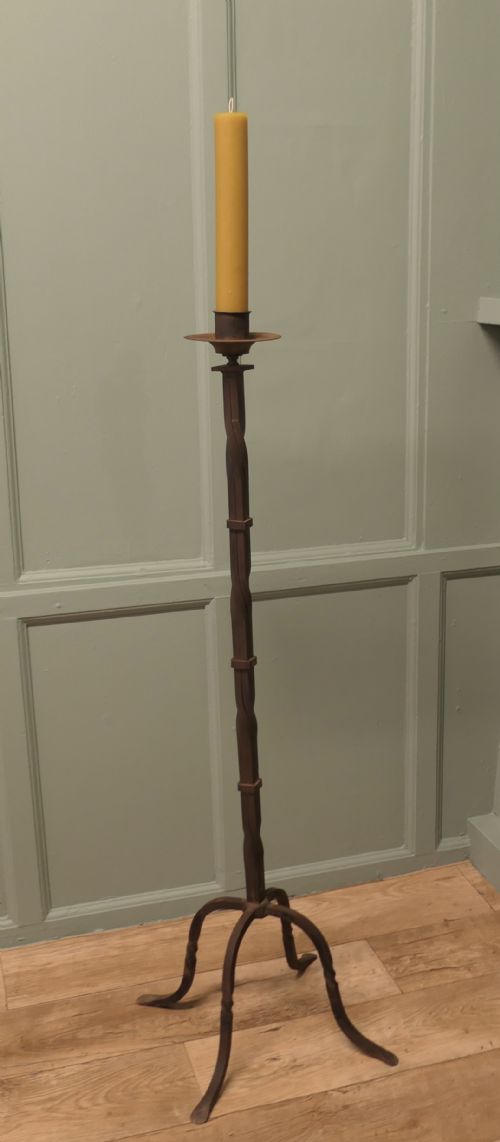
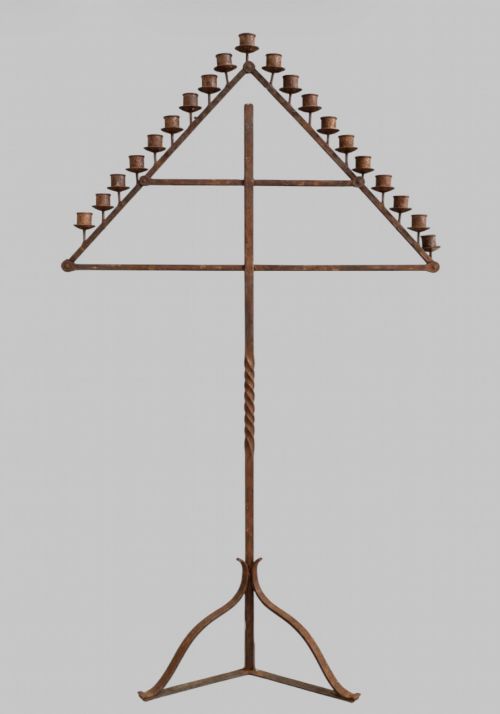
These floor candlestick holder pieces bring architectural presence and height to a room, offering a dramatic way to display candles.
Floor Candlestick Holder
A floor candlestick holder provides elevated candle illumination through tall stands, torcheres, and multi-light candelabra designed to rest directly upon the ground. When you search for a floor candlestick holder, you encounter substantial vertical furnishings created to anchor corners, fireplaces, or large halls.
The selections span various forms including church candle holders, architectural iron stands, and carved wooden columns. Pieces originating from the eighteenth, nineteenth, and early twentieth centuries dominate the offerings, reflecting traditional European craftsmanship.
Continental examples bring distinct regional character, particularly through Italian giltwood baroque pieces and French wooden designs. Buyers frequently find matching pairs or graduated sets that provide symmetrical impact for interior spaces.
Materials and construction methods
Metal examples utilise wrought iron and brass, with blacksmith-made iron providing structural strength and heavy brass casting allowing for ornate detail. These metal stands often feature architectural elements like Corinthian columns or multi-candle branches.
Wooden pieces rely on carved pinewood, giltwood, and gesso layers that receive paint or gold leaf decoration. Artisans shaped these timbers into torcheres and pricket sticks, applying polychrome finishes for rich surface texture.
Floor Candlestick Holder Retail Price Guide 2026
Typical asking prices for floor candlestick holder among the pieces listed under this phrase on Sellingantiques today, from the lower quarter to the upper quarter. They describe what is for sale here now, not the wider market.
Some nineteenth-century Masonic candlesticks disguise themselves as Corinthian columns, ready to illuminate secret meetings with classical dignity.
Distinctions in quality and execution
The standard of carving and surface finish defines the upper tier of wooden pieces, where hand-carved details and original giltwood or polychrome paint remain crisp and intact. Simpler turned woods or worn surfaces represent more utilitarian origins.
Metal standards vary through the complexity of the blacksmith work or the crispness of brass casting. Substantial architectural proportions and matching sets of multiple pieces elevate the desirability of both iron and brass examples.
The Floor Candlestick Holder Glossary
- Torchere
- A tall ornamental stand designed to carry a light, usually taking the form of a column or pillar. These pieces elevate candles to eye level in large rooms.
- Pricket stick
- A candlestick featuring a sharp metal spike at the top to secure large candles. This traditional form appears frequently on altar-type candle holders.
- Giltwood
- Timber that has been coated with gold leaf or a gold-coloured finish. This technique adds reflective brilliance to baroque and neoclassical frames.
- Gesso
- A plaster-like mixture applied to wood surfaces as a base for paint or gilding. It allows artisans to model fine decorative relief details before finishing.
- Polychrome
- Decorated in a variety of colours. This surface treatment brings painted depth and visual interest to antique wooden stands.
Floor Candlestick Holder: Frequently Asked Questions
How were floor candlesticks used originally?
These tall stands provided essential illumination in large rooms, churches, and halls before electric lighting became common. They positioned candles high above the floor to cast light across a wider area.
Religious settings utilised them as altar lights and pricket sticks for ceremonies, while domestic spaces placed torcheres in dark corners or grand hallways.
Where should I place a floor candlestick holder?
A floor candlestick holder works effectively in empty corners, beside fireplaces, or framing large pieces of furniture. Their height draws the eye upward and adds vertical proportion to a room.
Pairs look balanced flanking a doorway or console table, while single architectural stands serve as standalone statement pieces.
How do I care for antique metal candle stands?
Wrought iron and brass require minimal intervention to preserve their historic surfaces. Dusting with a soft, dry cloth prevents grime accumulation without disturbing the patina.
Avoid harsh commercial metal polishes that strip away age and character, particularly on pieces with historic dark finishes or verdigris.